Compare commits
85 Commits
| Author | SHA1 | Date | |
|---|---|---|---|
 hetao hetao
|
1c9fdfef6b | ||
|
Willem Jiang
|
933f3bb83a | ||
|
道心坚定韩道友
|
f17b06f206 | ||
|
xiaofeng
|
c14c548e0c | ||
|
Kuro Akuta
|
c89b35805d | ||
|
DanielWalnut
|
774473cc18 | ||
|
Affan Shaikhsurab
|
b04225b7c8 | ||
|
DanielWalnut
|
b155e1eca6 | ||
|
DanielWalnut
|
448001f532 | ||
|
Willem Jiang
|
0f118fda92 | ||
|
Affan Shaikhsurab
|
ae30517f48 | ||
|
orifake
|
8bdc6bfa2d | ||
|
HagonChan
|
afbcdd68d8 | ||
|
Willem Jiang
|
bf3bcee8e3 | ||
|
Shiwen Cheng
|
0c46f8361b | ||
|
Willem Jiang
|
86a89acac3 | ||
|
Willem Jiang
|
2121510f63 | ||
|
cmq2525
|
0dc6c16c42 | ||
|
vvky
|
5abf8c1f5e | ||
|
Willem Jiang
|
70b86d8464 | ||
|
johnny0120
|
e1187d7d02 | ||
|
Willem Jiang
|
136f7eaa4e | ||
|
Willem Jiang
|
3c46201ff0 | ||
|
yihong
|
2363b21447 | ||
|
Willem Jiang
|
0d3255cdae | ||
|
Kirk Lin
|
9f8f060506 | ||
|
HagonChan
|
dfd4712d9f | ||
|
MaojiaSheng
|
859c6e3c5d | ||
|
Willem Jiang
|
d8016809b2 | ||
|
Willem Jiang
|
6c254c0783 | ||
|
殷逸维
|
d4fbc86b28 | ||
|
Abeautifulsnow
|
7ad11bf86c | ||
|
殷逸维
|
be893eae2b | ||
|
Johannes Maron
|
5977b4a03e | ||
|
JeffJiang
|
52dfdd83ae | ||
|
Willem Jiang
|
f27c96e692 | ||
|
Tony M
|
b7373fbe70 | ||
|
Abeautifulsnow
|
9c2d4724e3 | ||
|
johnny0120
|
aa06cd6fb6 | ||
|
Young
|
82e1b65792 | ||
|
Willem Jiang
|
dcdd7288ed | ||
|
Willem Jiang
|
89f3d731c9 | ||
|
Willem Jiang
|
c0b04aaba2 | ||
|
Willem Jiang
|
4048ca67dd | ||
|
lelili2021
|
30a189cf26 | ||
|
Ryan Guo
|
e03b12b97f | ||
|
Luludle
|
8823ffdb6a | ||
|
3Spiders
|
4fe43153b1 | ||
|
Willem Jiang
|
4fb053b6d2 | ||
|
DanielWalnut
|
19fa1e97c3 | ||
|
Tax
|
a7315b46df | ||
|
JeffJiang
|
03e6a1a6e7 | ||
|
Lan
|
7d38e5f900 | ||
|
Willem Jiang
|
4c2fe2e7f5 | ||
|
Henry Li
|
bb7dc6e98c | ||
|
Willem Jiang
|
ee1af78767 | ||
|
Willem Jiang
|
2554e4ba63 | ||
|
LeoJiaXin
|
397ac57235 | ||
|
DanielWalnut
|
447e427fd3 | ||
|
Muharrem Okutan
|
eeff1ebf80 | ||
|
DanielWalnut
|
1cd6aa0ece | ||
|
Willem Jiang
|
8081a14c21 | ||
|
Willem Jiang
|
c6ed423021 | ||
|
DanielWalnut
|
0e22c373af | ||
|
Xintao Wang
|
cda3870add | ||
|
DanielWalnut
|
b5ec61bb9d | ||
|
JeffJiang
|
73ac8ae45a | ||
|
Xavi
|
91648c4210 | ||
|
Willem Jiang
|
95257800d2 | ||
|
Willem Jiang
|
45568ca95b | ||
|
Willem Jiang
|
db3e74629f | ||
|
SToneX
|
0da52d41a7 | ||
|
Aeolusw
|
eaaad27e44 | ||
|
JeffJiang
|
4ddd659d8d | ||
|
JeffJiang
|
7e9fbed918 | ||
|
JeffJiang
|
fcbc7f1118 | ||
|
JeffJiang
|
d14fb262ea | ||
|
JeffJiang
|
9888098f8a | ||
|
DanielWalnut
|
56e35c6b7f | ||
|
JeffJiang
|
462752b462 | ||
|
DanielWalnut
|
0565ab6d27 | ||
|
wushiai1109
|
29be360954 | ||
|
Harsha Vardhan Mannem
|
3ed70e11d5 | ||
|
laundry
|
55ce399969 | ||
|
DanielWalnut
|
8bbcdbe4de |
@@ -7,12 +7,29 @@ NEXT_PUBLIC_API_URL="http://localhost:8000/api"
|
||||
|
||||
AGENT_RECURSION_LIMIT=30
|
||||
|
||||
# CORS settings
|
||||
# Comma-separated list of allowed origins for CORS requests
|
||||
# Example: ALLOWED_ORIGINS=http://localhost:3000,http://example.com
|
||||
ALLOWED_ORIGINS=http://localhost:3000
|
||||
|
||||
# Search Engine, Supported values: tavily (recommended), duckduckgo, brave_search, arxiv
|
||||
SEARCH_API=tavily
|
||||
TAVILY_API_KEY=tvly-xxx
|
||||
# BRAVE_SEARCH_API_KEY=xxx # Required only if SEARCH_API is brave_search
|
||||
# JINA_API_KEY=jina_xxx # Optional, default is None
|
||||
|
||||
# Optional, RAG provider
|
||||
# RAG_PROVIDER=vikingdb_knowledge_base
|
||||
# VIKINGDB_KNOWLEDGE_BASE_API_URL="api-knowledgebase.mlp.cn-beijing.volces.com"
|
||||
# VIKINGDB_KNOWLEDGE_BASE_API_AK="AKxxx"
|
||||
# VIKINGDB_KNOWLEDGE_BASE_API_SK=""
|
||||
# VIKINGDB_KNOWLEDGE_BASE_RETRIEVAL_SIZE=15
|
||||
|
||||
# RAG_PROVIDER=ragflow
|
||||
# RAGFLOW_API_URL="http://localhost:9388"
|
||||
# RAGFLOW_API_KEY="ragflow-xxx"
|
||||
# RAGFLOW_RETRIEVAL_SIZE=10
|
||||
|
||||
# Optional, volcengine TTS for generating podcast
|
||||
VOLCENGINE_TTS_APPID=xxx
|
||||
VOLCENGINE_TTS_ACCESS_TOKEN=xxx
|
||||
|
||||
@@ -0,0 +1,95 @@
|
||||
name: Publish Containers
|
||||
|
||||
on:
|
||||
push:
|
||||
branches:
|
||||
- main
|
||||
release:
|
||||
types: [published]
|
||||
workflow_dispatch:
|
||||
|
||||
jobs:
|
||||
|
||||
backend-container:
|
||||
runs-on: ubuntu-latest
|
||||
permissions:
|
||||
contents: read
|
||||
packages: write
|
||||
attestations: write
|
||||
id-token: write
|
||||
env:
|
||||
REGISTRY: ghcr.io
|
||||
IMAGE_NAME: ${{ github.repository }}
|
||||
|
||||
steps:
|
||||
- name: Checkout repository
|
||||
uses: actions/checkout@v4
|
||||
- name: Log in to the Container registry
|
||||
uses: docker/login-action@v3
|
||||
with:
|
||||
registry: ${{ env.REGISTRY }}
|
||||
username: ${{ github.actor }}
|
||||
password: ${{ secrets.GITHUB_TOKEN }}
|
||||
- name: Extract metadata (tags, labels) for Docker
|
||||
id: meta
|
||||
uses: docker/metadata-action@v5
|
||||
with:
|
||||
images: ${{ env.REGISTRY }}/${{ env.IMAGE_NAME }}
|
||||
- name: Build and push Docker image
|
||||
id: push
|
||||
uses: docker/build-push-action@v6
|
||||
with:
|
||||
context: .
|
||||
file: Dockerfile
|
||||
push: true
|
||||
tags: ${{ steps.meta.outputs.tags }}
|
||||
labels: ${{ steps.meta.outputs.labels }}
|
||||
|
||||
- name: Generate artifact attestation
|
||||
uses: actions/attest-build-provenance@v2
|
||||
with:
|
||||
subject-name: ${{ env.REGISTRY }}/${{ env.IMAGE_NAME}}
|
||||
subject-digest: ${{ steps.push.outputs.digest }}
|
||||
push-to-registry: true
|
||||
|
||||
frontend-container:
|
||||
runs-on: ubuntu-latest
|
||||
permissions:
|
||||
contents: read
|
||||
packages: write
|
||||
attestations: write
|
||||
id-token: write
|
||||
env:
|
||||
REGISTRY: ghcr.io
|
||||
IMAGE_NAME: ${{ github.repository }}-web
|
||||
|
||||
steps:
|
||||
- name: Checkout repository
|
||||
uses: actions/checkout@v4
|
||||
- name: Log in to the Container registry
|
||||
uses: docker/login-action@74a5d142397b4f367a81961eba4e8cd7edddf772 #v3.4.0
|
||||
with:
|
||||
registry: ${{ env.REGISTRY }}
|
||||
username: ${{ github.actor }}
|
||||
password: ${{ secrets.GITHUB_TOKEN }}
|
||||
- name: Extract metadata (tags, labels) for Docker
|
||||
id: meta
|
||||
uses: docker/metadata-action@902fa8ec7d6ecbf8d84d538b9b233a880e428804 #v5.7.0
|
||||
with:
|
||||
images: ${{ env.REGISTRY }}/${{ env.IMAGE_NAME }}
|
||||
- name: Build and push Docker image
|
||||
id: push
|
||||
uses: docker/build-push-action@263435318d21b8e681c14492fe198d362a7d2c83 #v6.18.0
|
||||
with:
|
||||
context: web
|
||||
file: web/Dockerfile
|
||||
push: true
|
||||
tags: ${{ steps.meta.outputs.tags }}
|
||||
labels: ${{ steps.meta.outputs.labels }}
|
||||
|
||||
- name: Generate artifact attestation
|
||||
uses: actions/attest-build-provenance@v2
|
||||
with:
|
||||
subject-name: ${{ env.REGISTRY }}/${{ env.IMAGE_NAME}}
|
||||
subject-digest: ${{ steps.push.outputs.digest }}
|
||||
push-to-registry: true
|
||||
@@ -6,6 +6,9 @@ on:
|
||||
pull_request:
|
||||
branches: [ '*' ]
|
||||
|
||||
permissions:
|
||||
contents: read
|
||||
|
||||
jobs:
|
||||
lint:
|
||||
runs-on: ubuntu-latest
|
||||
@@ -13,7 +16,7 @@ jobs:
|
||||
- uses: actions/checkout@v3
|
||||
|
||||
- name: Install the latest version of uv
|
||||
uses: astral-sh/setup-uv@v5
|
||||
uses: astral-sh/setup-uv@v6.3.1
|
||||
with:
|
||||
version: "latest"
|
||||
|
||||
|
||||
@@ -6,6 +6,9 @@ on:
|
||||
pull_request:
|
||||
branches: [ '*' ]
|
||||
|
||||
permissions:
|
||||
contents: read
|
||||
|
||||
jobs:
|
||||
test:
|
||||
runs-on: ubuntu-latest
|
||||
@@ -13,7 +16,7 @@ jobs:
|
||||
- uses: actions/checkout@v3
|
||||
|
||||
- name: Install the latest version of uv
|
||||
uses: astral-sh/setup-uv@v5
|
||||
uses: astral-sh/setup-uv@v6.3.1
|
||||
with:
|
||||
version: "latest"
|
||||
|
||||
|
||||
@@ -6,11 +6,13 @@ dist/
|
||||
wheels/
|
||||
*.egg-info
|
||||
.coverage
|
||||
.coverage.*
|
||||
agent_history.gif
|
||||
static/browser_history/*.gif
|
||||
|
||||
# Virtual environments
|
||||
.venv
|
||||
venv/
|
||||
|
||||
# Environment variables
|
||||
.env
|
||||
|
||||
Vendored
+30
@@ -1,6 +1,36 @@
|
||||
{
|
||||
"version": "0.2.0",
|
||||
"configurations": [
|
||||
|
||||
{
|
||||
"name": "Debug Tests",
|
||||
"type": "debugpy",
|
||||
"request": "launch",
|
||||
"module": "pytest",
|
||||
"args": [
|
||||
"${workspaceFolder}/tests",
|
||||
"-v",
|
||||
"-s"
|
||||
],
|
||||
"console": "integratedTerminal",
|
||||
"justMyCode": false,
|
||||
"env": {
|
||||
"PYTHONPATH": "${workspaceFolder}"
|
||||
}
|
||||
},
|
||||
{
|
||||
"name": "Debug Current Test File",
|
||||
"type": "debugpy",
|
||||
"request": "launch",
|
||||
"module": "pytest",
|
||||
"args": [
|
||||
"${file}",
|
||||
"-v",
|
||||
"-s"
|
||||
],
|
||||
"console": "integratedTerminal",
|
||||
"justMyCode": false
|
||||
},
|
||||
{
|
||||
"name": "Python: 当前文件",
|
||||
"type": "debugpy",
|
||||
|
||||
Vendored
+7
@@ -0,0 +1,7 @@
|
||||
{
|
||||
"python.testing.pytestArgs": [
|
||||
"tests"
|
||||
],
|
||||
"python.testing.unittestEnabled": false,
|
||||
"python.testing.pytestEnabled": true
|
||||
}
|
||||
@@ -17,11 +17,14 @@ There are many ways you can contribute to DeerFlow:
|
||||
|
||||
1. Fork the repository
|
||||
2. Clone your fork:
|
||||
|
||||
```bash
|
||||
git clone https://github.com/bytedance/deer-flow.git
|
||||
cd deer-flow
|
||||
```
|
||||
|
||||
3. Set up your development environment:
|
||||
|
||||
```bash
|
||||
# Install dependencies, uv will take care of the python interpreter and venv creation
|
||||
uv sync
|
||||
@@ -30,7 +33,9 @@ There are many ways you can contribute to DeerFlow:
|
||||
uv pip install -e ".[dev]"
|
||||
uv pip install -e ".[test]"
|
||||
```
|
||||
|
||||
4. Configure pre-commit hooks:
|
||||
|
||||
```bash
|
||||
chmod +x pre-commit
|
||||
ln -s ../../pre-commit .git/hooks/pre-commit
|
||||
@@ -39,6 +44,7 @@ There are many ways you can contribute to DeerFlow:
|
||||
## Development Process
|
||||
|
||||
1. Create a new branch:
|
||||
|
||||
```bash
|
||||
git checkout -b feature/amazing-feature
|
||||
```
|
||||
@@ -50,6 +56,7 @@ There are many ways you can contribute to DeerFlow:
|
||||
- Update documentation as needed
|
||||
|
||||
3. Run tests and checks:
|
||||
|
||||
```bash
|
||||
make test # Run tests
|
||||
make lint # Run linting
|
||||
@@ -58,11 +65,13 @@ There are many ways you can contribute to DeerFlow:
|
||||
```
|
||||
|
||||
4. Commit your changes:
|
||||
|
||||
```bash
|
||||
git commit -m 'Add some amazing feature'
|
||||
```
|
||||
|
||||
5. Push to your fork:
|
||||
|
||||
```bash
|
||||
git push origin feature/amazing-feature
|
||||
```
|
||||
@@ -90,6 +99,7 @@ There are many ways you can contribute to DeerFlow:
|
||||
## Testing
|
||||
|
||||
Run the test suite:
|
||||
|
||||
```bash
|
||||
# Run all tests
|
||||
make test
|
||||
@@ -122,6 +132,7 @@ make format
|
||||
## Need Help?
|
||||
|
||||
If you need help with anything:
|
||||
|
||||
- Check existing issues and discussions
|
||||
- Join our community channels
|
||||
- Ask questions in discussions
|
||||
|
||||
+1
-1
@@ -1,4 +1,4 @@
|
||||
FROM ghcr.io/astral-sh/uv:python3.12-bookworm-slim
|
||||
FROM ghcr.io/astral-sh/uv:python3.12-bookworm
|
||||
|
||||
# Install uv.
|
||||
COPY --from=ghcr.io/astral-sh/uv:latest /uv /bin/uv
|
||||
|
||||
@@ -8,6 +8,7 @@ format:
|
||||
|
||||
lint:
|
||||
uv run black --check .
|
||||
uv run ruff check .
|
||||
|
||||
serve:
|
||||
uv run server.py --reload
|
||||
|
||||
@@ -12,13 +12,16 @@
|
||||
|
||||
**DeerFlow** (**D**eep **E**xploration and **E**fficient **R**esearch **Flow**) is a community-driven Deep Research framework that builds upon the incredible work of the open source community. Our goal is to combine language models with specialized tools for tasks like web search, crawling, and Python code execution, while giving back to the community that made this possible.
|
||||
|
||||
Currently, DeerFlow has officially entered the [FaaS Application Center of Volcengine](https://console.volcengine.com/vefaas/region:vefaas+cn-beijing/market). Users can experience it online through the [experience link](https://console.volcengine.com/vefaas/region:vefaas+cn-beijing/market/deerflow/?channel=github&source=deerflow) to intuitively feel its powerful functions and convenient operations. At the same time, to meet the deployment needs of different users, DeerFlow supports one-click deployment based on Volcengine. Click the [deployment link](https://console.volcengine.com/vefaas/region:vefaas+cn-beijing/application/create?templateId=683adf9e372daa0008aaed5c&channel=github&source=deerflow) to quickly complete the deployment process and start an efficient research journey.
|
||||
|
||||
|
||||
Please visit [our official website](https://deerflow.tech/) for more details.
|
||||
|
||||
## Demo
|
||||
|
||||
### Video
|
||||
|
||||
https://github.com/user-attachments/assets/f3786598-1f2a-4d07-919e-8b99dfa1de3e
|
||||
<https://github.com/user-attachments/assets/f3786598-1f2a-4d07-919e-8b99dfa1de3e>
|
||||
|
||||
In this demo, we showcase how to use DeerFlow to:
|
||||
|
||||
@@ -144,19 +147,18 @@ Explore more details in the [`web`](./web/) directory.
|
||||
|
||||
## Supported Search Engines
|
||||
|
||||
### Web Search
|
||||
|
||||
DeerFlow supports multiple search engines that can be configured in your `.env` file using the `SEARCH_API` variable:
|
||||
|
||||
- **Tavily** (default): A specialized search API for AI applications
|
||||
|
||||
- Requires `TAVILY_API_KEY` in your `.env` file
|
||||
- Sign up at: https://app.tavily.com/home
|
||||
|
||||
- **DuckDuckGo**: Privacy-focused search engine
|
||||
|
||||
- No API key required
|
||||
|
||||
- **Brave Search**: Privacy-focused search engine with advanced features
|
||||
|
||||
- Requires `BRAVE_SEARCH_API_KEY` in your `.env` file
|
||||
- Sign up at: https://brave.com/search/api/
|
||||
|
||||
@@ -171,6 +173,19 @@ To configure your preferred search engine, set the `SEARCH_API` variable in your
|
||||
SEARCH_API=tavily
|
||||
```
|
||||
|
||||
### Private Knowledgebase
|
||||
|
||||
DeerFlow support private knowledgebase such as ragflow and vikingdb, so that you can use your private documents to answer questions.
|
||||
|
||||
- **[RAGFlow](https://ragflow.io/docs/dev/)**:open source RAG engine
|
||||
```
|
||||
# examples in .env.example
|
||||
RAG_PROVIDER=ragflow
|
||||
RAGFLOW_API_URL="http://localhost:9388"
|
||||
RAGFLOW_API_KEY="ragflow-xxx"
|
||||
RAGFLOW_RETRIEVAL_SIZE=10
|
||||
```
|
||||
|
||||
## Features
|
||||
|
||||
### Core Capabilities
|
||||
@@ -184,10 +199,14 @@ SEARCH_API=tavily
|
||||
### Tools and MCP Integrations
|
||||
|
||||
- 🔍 **Search and Retrieval**
|
||||
|
||||
- Web search via Tavily, Brave Search and more
|
||||
- Crawling with Jina
|
||||
- Advanced content extraction
|
||||
- Support for private knowledgebase
|
||||
|
||||
- 📃 **RAG Integration**
|
||||
|
||||
- Supports mentioning files from [RAGFlow](https://github.com/infiniflow/ragflow) within the input box. [Start up RAGFlow server](https://ragflow.io/docs/dev/).
|
||||
|
||||
- 🔗 **MCP Seamless Integration**
|
||||
- Expand capabilities for private domain access, knowledge graph, web browsing and more
|
||||
@@ -196,7 +215,6 @@ SEARCH_API=tavily
|
||||
### Human Collaboration
|
||||
|
||||
- 🧠 **Human-in-the-loop**
|
||||
|
||||
- Supports interactive modification of research plans using natural language
|
||||
- Supports auto-acceptance of research plans
|
||||
|
||||
@@ -352,6 +370,7 @@ When you submit a research topic in the Studio UI, you'll be able to see the ent
|
||||
DeerFlow supports LangSmith tracing to help you debug and monitor your workflows. To enable LangSmith tracing:
|
||||
|
||||
1. Make sure your `.env` file has the following configurations (see `.env.example`):
|
||||
|
||||
```bash
|
||||
LANGSMITH_TRACING=true
|
||||
LANGSMITH_ENDPOINT="https://api.smith.langchain.com"
|
||||
@@ -503,6 +522,7 @@ DeerFlow includes a human in the loop mechanism that allows you to review, edit,
|
||||
- Via API: Set `auto_accepted_plan: true` in your request
|
||||
|
||||
4. **API Integration**: When using the API, you can provide feedback through the `feedback` parameter:
|
||||
|
||||
```json
|
||||
{
|
||||
"messages": [{ "role": "user", "content": "What is quantum computing?" }],
|
||||
@@ -538,6 +558,8 @@ We would like to extend our sincere appreciation to the following projects for t
|
||||
|
||||
- **[LangChain](https://github.com/langchain-ai/langchain)**: Their exceptional framework powers our LLM interactions and chains, enabling seamless integration and functionality.
|
||||
- **[LangGraph](https://github.com/langchain-ai/langgraph)**: Their innovative approach to multi-agent orchestration has been instrumental in enabling DeerFlow's sophisticated workflows.
|
||||
- **[Novel](https://github.com/steven-tey/novel)**: Their Notion-style WYSIWYG editor supports our report editing and AI-assisted rewriting.
|
||||
- **[RAGFlow](https://github.com/infiniflow/ragflow)**: We have achieved support for research on users' private knowledge bases through integration with RAGFlow.
|
||||
|
||||
These projects exemplify the transformative power of open-source collaboration, and we are proud to build upon their foundations.
|
||||
|
||||
|
||||
+43
-34
@@ -11,15 +11,18 @@
|
||||
|
||||
**DeerFlow** (**D**eep **E**xploration and **E**fficient **R**esearch **Flow**) ist ein Community-getriebenes Framework für tiefgehende Recherche, das auf der großartigen Arbeit der Open-Source-Community aufbaut. Unser Ziel ist es, Sprachmodelle mit spezialisierten Werkzeugen für Aufgaben wie Websuche, Crawling und Python-Code-Ausführung zu kombinieren und gleichzeitig der Community, die dies möglich gemacht hat, etwas zurückzugeben.
|
||||
|
||||
Derzeit ist DeerFlow offiziell in das FaaS-Anwendungszentrum von Volcengine eingezogen. Benutzer können es über den Erfahrungslink online erleben, um seine leistungsstarken Funktionen und bequemen Operationen intuitiv zu spüren. Gleichzeitig unterstützt DeerFlow zur Erfüllung der Bereitstellungsanforderungen verschiedener Benutzer die Ein-Klick-Bereitstellung basierend auf Volcengine. Klicken Sie auf den Bereitstellungslink, um den Bereitstellungsprozess schnell abzuschließen und eine effiziente Forschungsreise zu beginnen.
|
||||
|
||||
Besuchen Sie [unsere offizielle Website](https://deerflow.tech/) für weitere Details.
|
||||
|
||||
## Demo
|
||||
|
||||
### Video
|
||||
|
||||
https://github.com/user-attachments/assets/f3786598-1f2a-4d07-919e-8b99dfa1de3e
|
||||
<https://github.com/user-attachments/assets/f3786598-1f2a-4d07-919e-8b99dfa1de3e>
|
||||
|
||||
In dieser Demo zeigen wir, wie man DeerFlow nutzt, um:
|
||||
|
||||
- Nahtlos mit MCP-Diensten zu integrieren
|
||||
- Den Prozess der tiefgehenden Recherche durchzuführen und einen umfassenden Bericht mit Bildern zu erstellen
|
||||
- Podcast-Audio basierend auf dem generierten Bericht zu erstellen
|
||||
@@ -34,7 +37,6 @@ In dieser Demo zeigen wir, wie man DeerFlow nutzt, um:
|
||||
|
||||
---
|
||||
|
||||
|
||||
## 📑 Inhaltsverzeichnis
|
||||
|
||||
- [🚀 Schnellstart](#schnellstart)
|
||||
@@ -48,12 +50,12 @@ In dieser Demo zeigen wir, wie man DeerFlow nutzt, um:
|
||||
- [💖 Danksagungen](#danksagungen)
|
||||
- [⭐ Star-Verlauf](#star-verlauf)
|
||||
|
||||
|
||||
## Schnellstart
|
||||
|
||||
DeerFlow ist in Python entwickelt und kommt mit einer in Node.js geschriebenen Web-UI. Um einen reibungslosen Einrichtungsprozess zu gewährleisten, empfehlen wir die Verwendung der folgenden Tools:
|
||||
|
||||
### Empfohlene Tools
|
||||
|
||||
- **[`uv`](https://docs.astral.sh/uv/getting-started/installation/):**
|
||||
Vereinfacht die Verwaltung von Python-Umgebungen und Abhängigkeiten. `uv` erstellt automatisch eine virtuelle Umgebung im Stammverzeichnis und installiert alle erforderlichen Pakete für Sie—keine manuelle Installation von Python-Umgebungen notwendig.
|
||||
|
||||
@@ -64,11 +66,14 @@ DeerFlow ist in Python entwickelt und kommt mit einer in Node.js geschriebenen W
|
||||
Installieren und verwalten Sie Abhängigkeiten des Node.js-Projekts.
|
||||
|
||||
### Umgebungsanforderungen
|
||||
|
||||
Stellen Sie sicher, dass Ihr System die folgenden Mindestanforderungen erfüllt:
|
||||
|
||||
- **[Python](https://www.python.org/downloads/):** Version `3.12+`
|
||||
- **[Node.js](https://nodejs.org/en/download/):** Version `22+`
|
||||
|
||||
### Installation
|
||||
|
||||
```bash
|
||||
# Repository klonen
|
||||
git clone https://github.com/bytedance/deer-flow.git
|
||||
@@ -136,25 +141,24 @@ bootstrap.bat -d
|
||||
|
||||
Weitere Details finden Sie im Verzeichnis [`web`](./web/).
|
||||
|
||||
|
||||
## Unterstützte Suchmaschinen
|
||||
|
||||
DeerFlow unterstützt mehrere Suchmaschinen, die in Ihrer `.env`-Datei über die Variable `SEARCH_API` konfiguriert werden können:
|
||||
|
||||
- **Tavily** (Standard): Eine spezialisierte Such-API für KI-Anwendungen
|
||||
- Erfordert `TAVILY_API_KEY` in Ihrer `.env`-Datei
|
||||
- Registrieren Sie sich unter: https://app.tavily.com/home
|
||||
- Erfordert `TAVILY_API_KEY` in Ihrer `.env`-Datei
|
||||
- Registrieren Sie sich unter: <https://app.tavily.com/home>
|
||||
|
||||
- **DuckDuckGo**: Datenschutzorientierte Suchmaschine
|
||||
- Kein API-Schlüssel erforderlich
|
||||
- Kein API-Schlüssel erforderlich
|
||||
|
||||
- **Brave Search**: Datenschutzorientierte Suchmaschine mit erweiterten Funktionen
|
||||
- Erfordert `BRAVE_SEARCH_API_KEY` in Ihrer `.env`-Datei
|
||||
- Registrieren Sie sich unter: https://brave.com/search/api/
|
||||
- Erfordert `BRAVE_SEARCH_API_KEY` in Ihrer `.env`-Datei
|
||||
- Registrieren Sie sich unter: <https://brave.com/search/api/>
|
||||
|
||||
- **Arxiv**: Wissenschaftliche Papiersuche für akademische Forschung
|
||||
- Kein API-Schlüssel erforderlich
|
||||
- Spezialisiert auf wissenschaftliche und akademische Papiere
|
||||
- Kein API-Schlüssel erforderlich
|
||||
- Spezialisiert auf wissenschaftliche und akademische Papiere
|
||||
|
||||
Um Ihre bevorzugte Suchmaschine zu konfigurieren, setzen Sie die Variable `SEARCH_API` in Ihrer `.env`-Datei:
|
||||
|
||||
@@ -168,40 +172,39 @@ SEARCH_API=tavily
|
||||
### Kernfähigkeiten
|
||||
|
||||
- 🤖 **LLM-Integration**
|
||||
- Unterstützt die Integration der meisten Modelle über [litellm](https://docs.litellm.ai/docs/providers).
|
||||
- Unterstützung für Open-Source-Modelle wie Qwen
|
||||
- OpenAI-kompatible API-Schnittstelle
|
||||
- Mehrstufiges LLM-System für unterschiedliche Aufgabenkomplexitäten
|
||||
- Unterstützt die Integration der meisten Modelle über [litellm](https://docs.litellm.ai/docs/providers).
|
||||
- Unterstützung für Open-Source-Modelle wie Qwen
|
||||
- OpenAI-kompatible API-Schnittstelle
|
||||
- Mehrstufiges LLM-System für unterschiedliche Aufgabenkomplexitäten
|
||||
|
||||
### Tools und MCP-Integrationen
|
||||
|
||||
- 🔍 **Suche und Abruf**
|
||||
- Websuche über Tavily, Brave Search und mehr
|
||||
- Crawling mit Jina
|
||||
- Fortgeschrittene Inhaltsextraktion
|
||||
- Websuche über Tavily, Brave Search und mehr
|
||||
- Crawling mit Jina
|
||||
- Fortgeschrittene Inhaltsextraktion
|
||||
|
||||
- 🔗 **MCP Nahtlose Integration**
|
||||
- Erweiterte Fähigkeiten für privaten Domänenzugriff, Wissensgraphen, Webbrowsing und mehr
|
||||
- Erleichtert die Integration verschiedener Forschungswerkzeuge und -methoden
|
||||
- Erweiterte Fähigkeiten für privaten Domänenzugriff, Wissensgraphen, Webbrowsing und mehr
|
||||
- Erleichtert die Integration verschiedener Forschungswerkzeuge und -methoden
|
||||
|
||||
### Menschliche Zusammenarbeit
|
||||
|
||||
- 🧠 **Mensch-in-der-Schleife**
|
||||
- Unterstützt interaktive Modifikation von Forschungsplänen mit natürlicher Sprache
|
||||
- Unterstützt automatische Akzeptanz von Forschungsplänen
|
||||
- Unterstützt interaktive Modifikation von Forschungsplänen mit natürlicher Sprache
|
||||
- Unterstützt automatische Akzeptanz von Forschungsplänen
|
||||
|
||||
- 📝 **Bericht-Nachbearbeitung**
|
||||
- Unterstützt Notion-ähnliche Blockbearbeitung
|
||||
- Ermöglicht KI-Verfeinerungen, einschließlich KI-unterstützter Polierung, Satzkürzung und -erweiterung
|
||||
- Angetrieben von [tiptap](https://tiptap.dev/)
|
||||
- Unterstützt Notion-ähnliche Blockbearbeitung
|
||||
- Ermöglicht KI-Verfeinerungen, einschließlich KI-unterstützter Polierung, Satzkürzung und -erweiterung
|
||||
- Angetrieben von [tiptap](https://tiptap.dev/)
|
||||
|
||||
### Inhaltserstellung
|
||||
|
||||
- 🎙️ **Podcast- und Präsentationserstellung**
|
||||
- KI-gestützte Podcast-Skripterstellung und Audiosynthese
|
||||
- Automatisierte Erstellung einfacher PowerPoint-Präsentationen
|
||||
- Anpassbare Vorlagen für maßgeschneiderte Inhalte
|
||||
|
||||
- KI-gestützte Podcast-Skripterstellung und Audiosynthese
|
||||
- Automatisierte Erstellung einfacher PowerPoint-Präsentationen
|
||||
- Anpassbare Vorlagen für maßgeschneiderte Inhalte
|
||||
|
||||
## Architektur
|
||||
|
||||
@@ -253,7 +256,6 @@ curl --location 'http://localhost:8000/api/tts' \
|
||||
--output speech.mp3
|
||||
```
|
||||
|
||||
|
||||
## Entwicklung
|
||||
|
||||
### Testen
|
||||
@@ -311,9 +313,10 @@ langgraph dev
|
||||
```
|
||||
|
||||
Nach dem Start des LangGraph-Servers sehen Sie mehrere URLs im Terminal:
|
||||
- API: http://127.0.0.1:2024
|
||||
- Studio UI: https://smith.langchain.com/studio/?baseUrl=http://127.0.0.1:2024
|
||||
- API-Dokumentation: http://127.0.0.1:2024/docs
|
||||
|
||||
- API: <http://127.0.0.1:2024>
|
||||
- Studio UI: <https://smith.langchain.com/studio/?baseUrl=http://127.0.0.1:2024>
|
||||
- API-Dokumentation: <http://127.0.0.1:2024/docs>
|
||||
|
||||
Öffnen Sie den Studio UI-Link in Ihrem Browser, um auf die Debugging-Schnittstelle zuzugreifen.
|
||||
|
||||
@@ -328,6 +331,7 @@ In der Studio UI können Sie:
|
||||
5. Feedback während der Planungsphase geben, um Forschungspläne zu verfeinern
|
||||
|
||||
Wenn Sie ein Forschungsthema in der Studio UI einreichen, können Sie die gesamte Workflow-Ausführung sehen, einschließlich:
|
||||
|
||||
- Die Planungsphase, in der der Forschungsplan erstellt wird
|
||||
- Die Feedback-Schleife, in der Sie den Plan ändern können
|
||||
- Die Forschungs- und Schreibphasen für jeden Abschnitt
|
||||
@@ -338,6 +342,7 @@ Wenn Sie ein Forschungsthema in der Studio UI einreichen, können Sie die gesamt
|
||||
DeerFlow unterstützt LangSmith-Tracing, um Ihnen beim Debuggen und Überwachen Ihrer Workflows zu helfen. Um LangSmith-Tracing zu aktivieren:
|
||||
|
||||
1. Stellen Sie sicher, dass Ihre `.env`-Datei die folgenden Konfigurationen enthält (siehe `.env.example`):
|
||||
|
||||
```bash
|
||||
LANGSMITH_TRACING=true
|
||||
LANGSMITH_ENDPOINT="https://api.smith.langchain.com"
|
||||
@@ -346,6 +351,7 @@ DeerFlow unterstützt LangSmith-Tracing, um Ihnen beim Debuggen und Überwachen
|
||||
```
|
||||
|
||||
2. Starten Sie das Tracing mit LangSmith lokal, indem Sie folgenden Befehl ausführen:
|
||||
|
||||
```bash
|
||||
langgraph dev
|
||||
```
|
||||
@@ -419,6 +425,7 @@ uv run main.py --help
|
||||
Die Anwendung unterstützt jetzt einen interaktiven Modus mit eingebauten Fragen in Englisch und Chinesisch:
|
||||
|
||||
1. Starten Sie den interaktiven Modus:
|
||||
|
||||
```bash
|
||||
uv run main.py --interactive
|
||||
```
|
||||
@@ -444,6 +451,7 @@ DeerFlow enthält einen Mensch-in-der-Schleife-Mechanismus, der es Ihnen ermögl
|
||||
- Über API: Setzen Sie `auto_accepted_plan: true` in Ihrer Anfrage
|
||||
|
||||
4. **API-Integration**: Bei Verwendung der API können Sie Feedback über den Parameter `feedback` geben:
|
||||
|
||||
```json
|
||||
{
|
||||
"messages": [{"role": "user", "content": "Was ist Quantencomputing?"}],
|
||||
@@ -483,6 +491,7 @@ Wir möchten unsere aufrichtige Wertschätzung den folgenden Projekten für ihre
|
||||
Diese Projekte veranschaulichen die transformative Kraft der Open-Source-Zusammenarbeit, und wir sind stolz darauf, auf ihren Grundlagen aufzubauen.
|
||||
|
||||
### Hauptmitwirkende
|
||||
|
||||
Ein herzliches Dankeschön geht an die Hauptautoren von `DeerFlow`, deren Vision, Leidenschaft und Engagement dieses Projekt zum Leben erweckt haben:
|
||||
|
||||
- **[Daniel Walnut](https://github.com/hetaoBackend/)**
|
||||
@@ -492,4 +501,4 @@ Ihr unerschütterliches Engagement und Fachwissen waren die treibende Kraft hint
|
||||
|
||||
## Star-Verlauf
|
||||
|
||||
[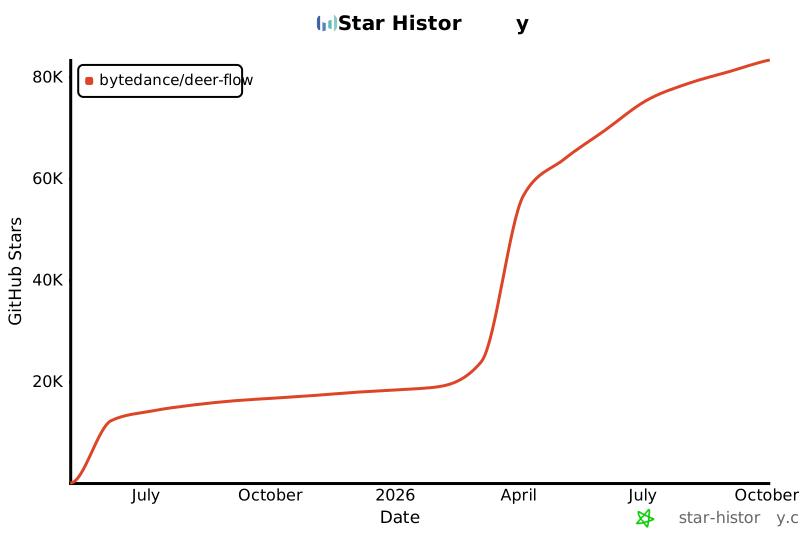](https://star-history.com/#bytedance/deer-flow&Date)
|
||||
[](https://star-history.com/#bytedance/deer-flow&Date)
|
||||
|
||||
+12
-7
@@ -11,13 +11,15 @@
|
||||
|
||||
**DeerFlow** (**D**eep **E**xploration and **E**fficient **R**esearch **Flow**) es un marco de Investigación Profunda impulsado por la comunidad que se basa en el increíble trabajo de la comunidad de código abierto. Nuestro objetivo es combinar modelos de lenguaje con herramientas especializadas para tareas como búsqueda web, rastreo y ejecución de código Python, mientras devolvemos a la comunidad que hizo esto posible.
|
||||
|
||||
Actualmente, DeerFlow ha ingresado oficialmente al Centro de Aplicaciones FaaS de Volcengine. Los usuarios pueden experimentarlo en línea a través del enlace de experiencia para sentir intuitivamente sus potentes funciones y operaciones convenientes. Al mismo tiempo, para satisfacer las necesidades de implementación de diferentes usuarios, DeerFlow admite la implementación con un clic basada en Volcengine. Haga clic en el enlace de implementación para completar rápidamente el proceso de implementación y comenzar un viaje de investigación eficiente.
|
||||
|
||||
Por favor, visita [nuestra página web oficial](https://deerflow.tech/) para más detalles.
|
||||
|
||||
## Demostración
|
||||
|
||||
### Video
|
||||
|
||||
https://github.com/user-attachments/assets/f3786598-1f2a-4d07-919e-8b99dfa1de3e
|
||||
<https://github.com/user-attachments/assets/f3786598-1f2a-4d07-919e-8b99dfa1de3e>
|
||||
|
||||
En esta demostración, mostramos cómo usar DeerFlow para:
|
||||
|
||||
@@ -148,7 +150,7 @@ DeerFlow soporta múltiples motores de búsqueda que pueden configurarse en tu a
|
||||
- **Tavily** (predeterminado): Una API de búsqueda especializada para aplicaciones de IA
|
||||
|
||||
- Requiere `TAVILY_API_KEY` en tu archivo `.env`
|
||||
- Regístrate en: https://app.tavily.com/home
|
||||
- Regístrate en: <https://app.tavily.com/home>
|
||||
|
||||
- **DuckDuckGo**: Motor de búsqueda centrado en la privacidad
|
||||
|
||||
@@ -157,7 +159,7 @@ DeerFlow soporta múltiples motores de búsqueda que pueden configurarse en tu a
|
||||
- **Brave Search**: Motor de búsqueda centrado en la privacidad con características avanzadas
|
||||
|
||||
- Requiere `BRAVE_SEARCH_API_KEY` en tu archivo `.env`
|
||||
- Regístrate en: https://brave.com/search/api/
|
||||
- Regístrate en: <https://brave.com/search/api/>
|
||||
|
||||
- **Arxiv**: Búsqueda de artículos científicos para investigación académica
|
||||
- No requiere clave API
|
||||
@@ -323,9 +325,9 @@ langgraph dev
|
||||
|
||||
Después de iniciar el servidor LangGraph, verás varias URLs en la terminal:
|
||||
|
||||
- API: http://127.0.0.1:2024
|
||||
- UI de Studio: https://smith.langchain.com/studio/?baseUrl=http://127.0.0.1:2024
|
||||
- Docs de API: http://127.0.0.1:2024/docs
|
||||
- API: <http://127.0.0.1:2024>
|
||||
- UI de Studio: <https://smith.langchain.com/studio/?baseUrl=http://127.0.0.1:2024>
|
||||
- Docs de API: <http://127.0.0.1:2024/docs>
|
||||
|
||||
Abre el enlace de UI de Studio en tu navegador para acceder a la interfaz de depuración.
|
||||
|
||||
@@ -351,6 +353,7 @@ Cuando envías un tema de investigación en la UI de Studio, podrás ver toda la
|
||||
DeerFlow soporta el rastreo de LangSmith para ayudarte a depurar y monitorear tus flujos de trabajo. Para habilitar el rastreo de LangSmith:
|
||||
|
||||
1. Asegúrate de que tu archivo `.env` tenga las siguientes configuraciones (ver `.env.example`):
|
||||
|
||||
```bash
|
||||
LANGSMITH_TRACING=true
|
||||
LANGSMITH_ENDPOINT="https://api.smith.langchain.com"
|
||||
@@ -359,6 +362,7 @@ DeerFlow soporta el rastreo de LangSmith para ayudarte a depurar y monitorear tu
|
||||
```
|
||||
|
||||
2. Inicia el rastreo y visualiza el grafo localmente con LangSmith ejecutando:
|
||||
|
||||
```bash
|
||||
langgraph dev
|
||||
```
|
||||
@@ -502,6 +506,7 @@ DeerFlow incluye un mecanismo de humano en el bucle que te permite revisar, edit
|
||||
- Vía API: Establece `auto_accepted_plan: true` en tu solicitud
|
||||
|
||||
4. **Integración API**: Cuando uses la API, puedes proporcionar retroalimentación a través del parámetro `feedback`:
|
||||
|
||||
```json
|
||||
{
|
||||
"messages": [{ "role": "user", "content": "¿Qué es la computación cuántica?" }],
|
||||
@@ -551,4 +556,4 @@ Su compromiso inquebrantable y experiencia han sido la fuerza impulsora detrás
|
||||
|
||||
## Historial de Estrellas
|
||||
|
||||
[](https://star-history.com/#bytedance/deer-flow&Date)
|
||||
[](https://star-history.com/#bytedance/deer-flow&Date)
|
||||
|
||||
+54
-31
@@ -9,17 +9,19 @@
|
||||
|
||||
**DeerFlow**(**D**eep **E**xploration and **E**fficient **R**esearch **Flow**)は、オープンソースコミュニティの素晴らしい成果の上に構築されたコミュニティ主導の深層研究フレームワークです。私たちの目標は、言語モデルとウェブ検索、クローリング、Python コード実行などの専門ツールを組み合わせながら、これを可能にしたコミュニティに貢献することです。
|
||||
|
||||
現在、DeerFlow は火山引擎の FaaS アプリケーションセンターに正式に入居しています。ユーザーは体験リンクを通じてオンラインで体験し、その強力な機能と便利な操作を直感的に感じることができます。同時に、さまざまなユーザーの展開ニーズを満たすため、DeerFlow は火山引擎に基づくワンクリック展開をサポートしています。展開リンクをクリックして展開プロセスを迅速に完了し、効率的な研究の旅を始めましょう。
|
||||
|
||||
詳細については[DeerFlow の公式ウェブサイト](https://deerflow.tech/)をご覧ください。
|
||||
|
||||
## デモ
|
||||
|
||||
### ビデオ
|
||||
|
||||
https://github.com/user-attachments/assets/f3786598-1f2a-4d07-919e-8b99dfa1de3e
|
||||
<https://github.com/user-attachments/assets/f3786598-1f2a-4d07-919e-8b99dfa1de3e>
|
||||
|
||||
このデモでは、DeerFlow の使用方法を紹介しています:
|
||||
このデモでは、DeerFlowの使用方法を紹介しています:
|
||||
|
||||
- MCP サービスとのシームレスな統合
|
||||
- MCPサービスとのシームレスな統合
|
||||
- 深層研究プロセスの実施と画像を含む包括的なレポートの作成
|
||||
- 生成されたレポートに基づくポッドキャストオーディオの作成
|
||||
|
||||
@@ -143,21 +145,18 @@ bootstrap.bat -d
|
||||
DeerFlow は複数の検索エンジンをサポートしており、`.env`ファイルの`SEARCH_API`変数で設定できます:
|
||||
|
||||
- **Tavily**(デフォルト):AI アプリケーション向けの専門検索 API
|
||||
|
||||
- `.env`ファイルに`TAVILY_API_KEY`が必要
|
||||
- 登録先:https://app.tavily.com/home
|
||||
- 登録先:<https://app.tavily.com/home>
|
||||
|
||||
- **DuckDuckGo**:プライバシー重視の検索エンジン
|
||||
|
||||
- API キー不要
|
||||
- APIキー不要
|
||||
|
||||
- **Brave Search**:高度な機能を備えたプライバシー重視の検索エンジン
|
||||
|
||||
- `.env`ファイルに`BRAVE_SEARCH_API_KEY`が必要
|
||||
- 登録先:https://brave.com/search/api/
|
||||
- 登録先:<https://brave.com/search/api/>
|
||||
|
||||
- **Arxiv**:学術研究用の科学論文検索
|
||||
- API キー不要
|
||||
- APIキー不要
|
||||
- 科学・学術論文専用
|
||||
|
||||
お好みの検索エンジンを設定するには、`.env`ファイルで`SEARCH_API`変数を設定します:
|
||||
@@ -171,41 +170,39 @@ SEARCH_API=tavily
|
||||
|
||||
### コア機能
|
||||
|
||||
- 🤖 **LLM 統合**
|
||||
- 🤖 **LLM統合**
|
||||
- [litellm](https://docs.litellm.ai/docs/providers)を通じてほとんどのモデルの統合をサポート
|
||||
- Qwen などのオープンソースモデルをサポート
|
||||
- OpenAI 互換の API インターフェース
|
||||
- 異なるタスクの複雑さに対応するマルチティア LLM システム
|
||||
- Qwenなどのオープンソースモデルをサポート
|
||||
- OpenAI互換のAPIインターフェース
|
||||
- 異なるタスクの複雑さに対応するマルチティアLLMシステム
|
||||
|
||||
### ツールと MCP 統合
|
||||
|
||||
- 🔍 **検索と取得**
|
||||
|
||||
- Tavily、Brave Search などを通じた Web 検索
|
||||
- Jina を使用したクローリング
|
||||
- Tavily、Brave Searchなどを通じたWeb検索
|
||||
- Jinaを使用したクローリング
|
||||
- 高度なコンテンツ抽出
|
||||
|
||||
- 🔗 **MCP シームレス統合**
|
||||
- プライベートドメインアクセス、ナレッジグラフ、Web ブラウジングなどの機能を拡張
|
||||
- 🔗 **MCPシームレス統合**
|
||||
- プライベートドメインアクセス、ナレッジグラフ、Webブラウジングなどの機能を拡張
|
||||
- 多様な研究ツールと方法論の統合を促進
|
||||
|
||||
### 人間との協力
|
||||
|
||||
- 🧠 **人間参加型ループ**
|
||||
|
||||
- 自然言語を使用した研究計画の対話的修正をサポート
|
||||
- 研究計画の自動承認をサポート
|
||||
|
||||
- 📝 **レポート後編集**
|
||||
- Notion ライクなブロック編集をサポート
|
||||
- AI 支援による洗練、文の短縮、拡張などの AI 改良を可能に
|
||||
- Notionライクなブロック編集をサポート
|
||||
- AI支援による洗練、文の短縮、拡張などのAI改良を可能に
|
||||
- [tiptap](https://tiptap.dev/)を活用
|
||||
|
||||
### コンテンツ作成
|
||||
|
||||
- 🎙️ **ポッドキャストとプレゼンテーション生成**
|
||||
- AI 駆動のポッドキャストスクリプト生成と音声合成
|
||||
- シンプルな PowerPoint プレゼンテーションの自動作成
|
||||
- AI駆動のポッドキャストスクリプト生成と音声合成
|
||||
- シンプルなPowerPointプレゼンテーションの自動作成
|
||||
- カスタマイズ可能なテンプレートで個別のコンテンツに対応
|
||||
|
||||
## アーキテクチャ
|
||||
@@ -241,6 +238,27 @@ DeerFlow は、自動研究とコード分析のためのモジュラーなマ
|
||||
- 収集した情報を処理および構造化
|
||||
- 包括的な研究レポートを生成
|
||||
|
||||
## テキスト読み上げ統合
|
||||
|
||||
DeerFlowには現在、研究レポートを音声に変換できるテキスト読み上げ(TTS)機能が含まれています。この機能は火山引擎TTS APIを使用して高品質なテキストオーディオを生成します。速度、音量、ピッチなどの特性もカスタマイズ可能です。
|
||||
|
||||
### TTS APIの使用
|
||||
|
||||
`/api/tts`エンドポイントからTTS機能にアクセスできます:
|
||||
|
||||
```bash
|
||||
# curlを使用したAPI呼び出し例
|
||||
curl --location 'http://localhost:8000/api/tts' \
|
||||
--header 'Content-Type: application/json' \
|
||||
--data '{
|
||||
"text": "これはテキスト読み上げ機能のテストです。",
|
||||
"speed_ratio": 1.0,
|
||||
"volume_ratio": 1.0,
|
||||
"pitch_ratio": 1.0
|
||||
}' \
|
||||
--output speech.mp3
|
||||
```
|
||||
|
||||
## 開発
|
||||
|
||||
### テスト
|
||||
@@ -297,11 +315,15 @@ pip install -U "langgraph-cli[inmem]"
|
||||
langgraph dev
|
||||
```
|
||||
|
||||
LangGraph サーバーを開始すると、端末にいくつかの URL が表示されます:
|
||||
LangGraphサーバーを開始すると、端末にいくつかのURLが表示されます:
|
||||
|
||||
- API: http://127.0.0.1:2024
|
||||
- Studio UI: https://smith.langchain.com/studio/?baseUrl=http://127.0.0.1:2024
|
||||
- API ドキュメント: http://127.0.0.1:2024/docs
|
||||
- API: <http://127.0.0.1:2024>
|
||||
- Studio UI: <https://smith.langchain.com/studio/?baseUrl=http://127.0.0.1:2024>
|
||||
- APIドキュメント: <http://127.0.0.1:2024/docs>
|
||||
|
||||
- API: <http://127.0.0.1:2024>
|
||||
- Studio UI: <https://smith.langchain.com/studio/?baseUrl=http://127.0.0.1:2024>
|
||||
- APIドキュメント: <http://127.0.0.1:2024/docs>
|
||||
|
||||
ブラウザで Studio UI リンクを開いてデバッグインターフェースにアクセスします。
|
||||
|
||||
@@ -315,7 +337,7 @@ Studio UI では、次のことができます:
|
||||
4. 各コンポーネントの入力と出力を検査して問題をデバッグ
|
||||
5. 計画段階でフィードバックを提供して研究計画を洗練
|
||||
|
||||
Studio UI で研究トピックを送信すると、次を含む全ワークフロー実行プロセスを見ることができます:
|
||||
Studio UIで研究トピックを送信すると、次を含む全ワークフロー実行プロセスを見ることができます:
|
||||
|
||||
- 研究計画を作成する計画段階
|
||||
- 計画を修正できるフィードバックループ
|
||||
@@ -327,6 +349,7 @@ Studio UI で研究トピックを送信すると、次を含む全ワークフ
|
||||
DeerFlow は LangSmith トレース機能をサポートしており、ワークフローのデバッグとモニタリングに役立ちます。LangSmith トレースを有効にするには:
|
||||
|
||||
1. `.env` ファイルに次の設定があることを確認してください(`.env.example` を参照):
|
||||
|
||||
```bash
|
||||
LANGSMITH_TRACING=true
|
||||
LANGSMITH_ENDPOINT="https://api.smith.langchain.com"
|
||||
@@ -335,6 +358,7 @@ DeerFlow は LangSmith トレース機能をサポートしており、ワーク
|
||||
```
|
||||
|
||||
2. 次のコマンドを実行して LangSmith トレースを開始します:
|
||||
|
||||
```bash
|
||||
langgraph dev
|
||||
```
|
||||
@@ -496,9 +520,8 @@ DeerFlow には人間参加型ループメカニズムが含まれており、
|
||||
|
||||
3. **自動承認**:レビュープロセスをスキップするために自動承認を有効にできます:
|
||||
|
||||
- API 経由:リクエストで`auto_accepted_plan: true`を設定
|
||||
4. **API統合**:APIを使用する場合、`feedback`パラメータでフィードバックを提供できます:
|
||||
|
||||
4. **API 統合**:API を使用する場合、`feedback`パラメータでフィードバックを提供できます:
|
||||
```json
|
||||
{
|
||||
"messages": [
|
||||
|
||||
+11
-11
@@ -12,13 +12,15 @@
|
||||
|
||||
**DeerFlow** (**D**eep **E**xploration and **E**fficient **R**esearch **Flow**) é um framework de Pesquisa Profunda orientado-a-comunidade que baseia-se em um íncrivel trabalho da comunidade open source. Nosso objetivo é combinar modelos de linguagem com ferramentas especializadas para tarefas como busca na web, crawling, e execução de código Python, enquanto retribui com a comunidade que o tornou possível.
|
||||
|
||||
Atualmente, o DeerFlow entrou oficialmente no Centro de Aplicações FaaS da Volcengine. Os usuários podem experimentá-lo online através do link de experiência para sentir intuitivamente suas funções poderosas e operações convenientes. Ao mesmo tempo, para atender às necessidades de implantação de diferentes usuários, o DeerFlow suporta implantação com um clique baseada na Volcengine. Clique no link de implantação para completar rapidamente o processo de implantação e iniciar uma jornada de pesquisa eficiente.
|
||||
|
||||
Por favor, visite [Nosso Site Oficial](https://deerflow.tech/) para maiores detalhes.
|
||||
|
||||
## Demo
|
||||
|
||||
### Video
|
||||
|
||||
https://github.com/user-attachments/assets/f3786598-1f2a-4d07-919e-8b99dfa1de3e
|
||||
<https://github.com/user-attachments/assets/f3786598-1f2a-4d07-919e-8b99dfa1de3e>
|
||||
|
||||
Nesse demo, nós demonstramos como usar o DeerFlow para:
|
||||
In this demo, we showcase how to use DeerFlow to:
|
||||
@@ -146,13 +148,12 @@ Explore mais detalhes no diretório [`web`](./web/) .
|
||||
|
||||
## Mecanismos de Busca Suportados
|
||||
|
||||
|
||||
DeerFlow suporta múltiplos mecanismos de busca que podem ser configurados no seu arquivo `.env` usando a variável `SEARCH_API`:
|
||||
|
||||
- **Tavily** (padrão): Uma API de busca especializada para aplicações de IA
|
||||
|
||||
- Requer `TAVILY_API_KEY` no seu arquivo `.env`
|
||||
- Inscreva-se em: https://app.tavily.com/home
|
||||
- Inscreva-se em: <https://app.tavily.com/home>
|
||||
|
||||
- **DuckDuckGo**: Mecanismo de busca focado em privacidade
|
||||
|
||||
@@ -161,7 +162,7 @@ DeerFlow suporta múltiplos mecanismos de busca que podem ser configurados no se
|
||||
- **Brave Search**: Mecanismo de busca focado em privacidade com funcionalidades avançadas
|
||||
|
||||
- Requer `BRAVE_SEARCH_API_KEY` no seu arquivo `.env`
|
||||
- Inscreva-se em: https://brave.com/search/api/
|
||||
- Inscreva-se em: <https://brave.com/search/api/>
|
||||
|
||||
- **Arxiv**: Busca de artigos científicos para pesquisa acadêmica
|
||||
- Não requer chave API
|
||||
@@ -202,7 +203,6 @@ SEARCH_API=tavily
|
||||
|
||||
- 🧠 **Humano-no-processo**
|
||||
|
||||
|
||||
- Suporta modificação interativa de planos de pesquisa usando linguagem natural
|
||||
- Suporta auto-aceite de planos de pesquisa
|
||||
|
||||
@@ -331,9 +331,9 @@ langgraph dev
|
||||
|
||||
Após iniciar o servidor LangGraph, você verá diversas URLs no seu terminal:
|
||||
|
||||
- API: http://127.0.0.1:2024
|
||||
- Studio UI: https://smith.langchain.com/studio/?baseUrl=http://127.0.0.1:2024
|
||||
- API Docs: http://127.0.0.1:2024/docs
|
||||
- API: <http://127.0.0.1:2024>
|
||||
- Studio UI: <https://smith.langchain.com/studio/?baseUrl=http://127.0.0.1:2024>
|
||||
- API Docs: <http://127.0.0.1:2024/docs>
|
||||
|
||||
Abra o link do Studio UI no seu navegador para acessar a interface de depuração.
|
||||
|
||||
@@ -341,7 +341,6 @@ Abra o link do Studio UI no seu navegador para acessar a interface de depuraçã
|
||||
|
||||
No Studio UI, você pode:
|
||||
|
||||
|
||||
1. Visualizar o grafo do fluxo de trabalho e como seus componentes se conectam
|
||||
2. Rastrear a execução em tempo-real e ver como os dados fluem através do sistema
|
||||
3. Inspecionar o estado de cada passo do fluxo de trabalho
|
||||
@@ -389,7 +388,7 @@ docker compose build
|
||||
docker compose up
|
||||
```
|
||||
|
||||
## Exemplos:
|
||||
## Exemplos
|
||||
|
||||
Os seguintes exemplos demonstram as capacidades do DeerFlow:
|
||||
|
||||
@@ -492,7 +491,8 @@ DeerFlow inclue um mecanismo de humano no processo que permite a você revisar,
|
||||
|
||||
- Via API: Defina `auto_accepted_plan: true` na sua requisição
|
||||
|
||||
4. **Integração de API**: Quanto usar a API, você pode fornecer um feedback através do parâmetro `feedback`:
|
||||
4. **Integração de API**: Quanto usar a API, você pode fornecer um feedback através do parâmetro `feedback`:
|
||||
|
||||
```json
|
||||
{
|
||||
"messages": [{ "role": "user", "content": "O que é computação quântica?" }],
|
||||
|
||||
+11
-6
@@ -11,13 +11,15 @@
|
||||
|
||||
**DeerFlow** (**D**eep **E**xploration and **E**fficient **R**esearch **Flow**) - это фреймворк для глубокого исследования, разработанный сообществом и основанный на впечатляющей работе сообщества открытого кода. Наша цель - объединить языковые модели со специализированными инструментами для таких задач, как веб-поиск, сканирование и выполнение кода Python, одновременно возвращая пользу сообществу, которое сделало это возможным.
|
||||
|
||||
В настоящее время DeerFlow официально вошел в Центр приложений FaaS Volcengine. Пользователи могут испытать его онлайн через ссылку для опыта, чтобы интуитивно почувствовать его мощные функции и удобные операции. В то же время, для удовлетворения потребностей развертывания различных пользователей, DeerFlow поддерживает развертывание одним кликом на основе Volcengine. Нажмите на ссылку развертывания, чтобы быстро завершить процесс развертывания и начать эффективное исследовательское путешествие.
|
||||
|
||||
Пожалуйста, посетите [наш официальный сайт](https://deerflow.tech/) для получения дополнительной информации.
|
||||
|
||||
## Демонстрация
|
||||
|
||||
### Видео
|
||||
|
||||
https://github.com/user-attachments/assets/f3786598-1f2a-4d07-919e-8b99dfa1de3e
|
||||
<https://github.com/user-attachments/assets/f3786598-1f2a-4d07-919e-8b99dfa1de3e>
|
||||
|
||||
В этой демонстрации мы показываем, как использовать DeerFlow для:
|
||||
|
||||
@@ -148,7 +150,7 @@ DeerFlow поддерживает несколько поисковых сист
|
||||
- **Tavily** (по умолчанию): Специализированный поисковый API для приложений ИИ
|
||||
|
||||
- Требуется `TAVILY_API_KEY` в вашем файле `.env`
|
||||
- Зарегистрируйтесь на: https://app.tavily.com/home
|
||||
- Зарегистрируйтесь на: <https://app.tavily.com/home>
|
||||
|
||||
- **DuckDuckGo**: Поисковая система, ориентированная на конфиденциальность
|
||||
|
||||
@@ -157,7 +159,7 @@ DeerFlow поддерживает несколько поисковых сист
|
||||
- **Brave Search**: Поисковая система, ориентированная на конфиденциальность, с расширенными функциями
|
||||
|
||||
- Требуется `BRAVE_SEARCH_API_KEY` в вашем файле `.env`
|
||||
- Зарегистрируйтесь на: https://brave.com/search/api/
|
||||
- Зарегистрируйтесь на: <https://brave.com/search/api/>
|
||||
|
||||
- **Arxiv**: Поиск научных статей для академических исследований
|
||||
- Не требуется API-ключ
|
||||
@@ -323,9 +325,9 @@ langgraph dev
|
||||
|
||||
После запуска сервера LangGraph вы увидите несколько URL в терминале:
|
||||
|
||||
- API: http://127.0.0.1:2024
|
||||
- Studio UI: https://smith.langchain.com/studio/?baseUrl=http://127.0.0.1:2024
|
||||
- API Docs: http://127.0.0.1:2024/docs
|
||||
- API: <http://127.0.0.1:2024>
|
||||
- Studio UI: <https://smith.langchain.com/studio/?baseUrl=http://127.0.0.1:2024>
|
||||
- API Docs: <http://127.0.0.1:2024/docs>
|
||||
|
||||
Откройте ссылку Studio UI в вашем браузере для доступа к интерфейсу отладки.
|
||||
|
||||
@@ -351,6 +353,7 @@ langgraph dev
|
||||
DeerFlow поддерживает трассировку LangSmith, чтобы помочь вам отладить и контролировать ваши рабочие процессы. Чтобы включить трассировку LangSmith:
|
||||
|
||||
1. Убедитесь, что в вашем файле `.env` есть следующие конфигурации (см. `.env.example`):
|
||||
|
||||
```bash
|
||||
LANGSMITH_TRACING=true
|
||||
LANGSMITH_ENDPOINT="https://api.smith.langchain.com"
|
||||
@@ -359,6 +362,7 @@ DeerFlow поддерживает трассировку LangSmith, чтобы
|
||||
```
|
||||
|
||||
2. Запустите трассировку и визуализируйте граф локально с LangSmith, выполнив:
|
||||
|
||||
```bash
|
||||
langgraph dev
|
||||
```
|
||||
@@ -502,6 +506,7 @@ DeerFlow включает механизм "человек в контуре",
|
||||
- Через API: Установите `auto_accepted_plan: true` в вашем запросе
|
||||
|
||||
4. **Интеграция API**: При использовании API вы можете предоставить обратную связь через параметр `feedback`:
|
||||
|
||||
```json
|
||||
{
|
||||
"messages": [{ "role": "user", "content": "Что такое квантовые вычисления?" }],
|
||||
|
||||
+70
-27
@@ -9,13 +9,15 @@
|
||||
|
||||
**DeerFlow**(**D**eep **E**xploration and **E**fficient **R**esearch **Flow**)是一个社区驱动的深度研究框架,它建立在开源社区的杰出工作基础之上。我们的目标是将语言模型与专业工具(如网络搜索、爬虫和 Python 代码执行)相结合,同时回馈使这一切成为可能的社区。
|
||||
|
||||
目前,DeerFlow 已正式入驻[火山引擎的 FaaS 应用中心](https://console.volcengine.com/vefaas/region:vefaas+cn-beijing/market),用户可通过[体验链接](https://console.volcengine.com/vefaas/region:vefaas+cn-beijing/market/deerflow/?channel=github&source=deerflow)进行在线体验,直观感受其强大功能与便捷操作;同时,为满足不同用户的部署需求,DeerFlow 支持基于火山引擎一键部署,点击[部署链接](https://console.volcengine.com/vefaas/region:vefaas+cn-beijing/application/create?templateId=683adf9e372daa0008aaed5c&channel=github&source=deerflow)即可快速完成部署流程,开启高效研究之旅。
|
||||
|
||||
请访问[DeerFlow 的官方网站](https://deerflow.tech/)了解更多详情。
|
||||
|
||||
## 演示
|
||||
|
||||
### 视频
|
||||
|
||||
https://github.com/user-attachments/assets/f3786598-1f2a-4d07-919e-8b99dfa1de3e
|
||||
<https://github.com/user-attachments/assets/f3786598-1f2a-4d07-919e-8b99dfa1de3e>
|
||||
|
||||
在此演示中,我们展示了如何使用 DeerFlow:
|
||||
|
||||
@@ -44,7 +46,7 @@ https://github.com/user-attachments/assets/f3786598-1f2a-4d07-919e-8b99dfa1de3e
|
||||
- [❓ 常见问题](#常见问题)
|
||||
- [📜 许可证](#许可证)
|
||||
- [💖 致谢](#致谢)
|
||||
- [⭐ Star History](#star-History)
|
||||
- [⭐ Star History](#star-history)
|
||||
|
||||
## 快速开始
|
||||
|
||||
@@ -106,7 +108,7 @@ pnpm install
|
||||
|
||||
请参阅[配置指南](docs/configuration_guide.md)获取更多详情。
|
||||
|
||||
> [!注意]
|
||||
> [! 注意]
|
||||
> 在启动项目之前,请仔细阅读指南,并更新配置以匹配您的特定设置和要求。
|
||||
|
||||
### 控制台 UI
|
||||
@@ -121,8 +123,7 @@ uv run main.py
|
||||
### Web UI
|
||||
|
||||
本项目还包括一个 Web UI,提供更加动态和引人入胜的交互体验。
|
||||
|
||||
> [!注意]
|
||||
> [! 注意]
|
||||
> 您需要先安装 Web UI 的依赖。
|
||||
|
||||
```bash
|
||||
@@ -140,21 +141,20 @@ bootstrap.bat -d
|
||||
|
||||
## 支持的搜索引擎
|
||||
|
||||
### 公域搜索引擎
|
||||
|
||||
DeerFlow 支持多种搜索引擎,可以在`.env`文件中通过`SEARCH_API`变量进行配置:
|
||||
|
||||
- **Tavily**(默认):专为 AI 应用设计的专业搜索 API
|
||||
|
||||
- 需要在`.env`文件中设置`TAVILY_API_KEY`
|
||||
- 注册地址:https://app.tavily.com/home
|
||||
- 注册地址:<https://app.tavily.com/home>
|
||||
|
||||
- **DuckDuckGo**:注重隐私的搜索引擎
|
||||
|
||||
- 无需 API 密钥
|
||||
|
||||
- **Brave Search**:具有高级功能的注重隐私的搜索引擎
|
||||
|
||||
- 需要在`.env`文件中设置`BRAVE_SEARCH_API_KEY`
|
||||
- 注册地址:https://brave.com/search/api/
|
||||
- 注册地址:<https://brave.com/search/api/>
|
||||
|
||||
- **Arxiv**:用于学术研究的科学论文搜索
|
||||
- 无需 API 密钥
|
||||
@@ -167,6 +167,30 @@ DeerFlow 支持多种搜索引擎,可以在`.env`文件中通过`SEARCH_API`
|
||||
SEARCH_API=tavily
|
||||
```
|
||||
|
||||
### 私域知识库引擎
|
||||
|
||||
DeerFlow 支持基于私有域知识的检索,您可以将文档上传到多种私有知识库中,以便在研究过程中使用,当前支持的私域知识库有:
|
||||
|
||||
- **[RAGFlow](https://ragflow.io/docs/dev/)**:开源的基于检索增强生成的知识库引擎
|
||||
```
|
||||
# 参照示例进行配置 .env.example
|
||||
RAG_PROVIDER=ragflow
|
||||
RAGFLOW_API_URL="http://localhost:9388"
|
||||
RAGFLOW_API_KEY="ragflow-xxx"
|
||||
RAGFLOW_RETRIEVAL_SIZE=10
|
||||
```
|
||||
|
||||
- **[VikingDB 知识库](https://www.volcengine.com/docs/84313/1254457)**:火山引擎提供的公有云知识库引擎
|
||||
> 注意先从 [火山引擎](https://www.volcengine.com/docs/84313/1254485) 获取账号 AK/SK
|
||||
```
|
||||
# 参照示例进行配置 .env.example
|
||||
RAG_PROVIDER=vikingdb_knowledge_base
|
||||
VIKINGDB_KNOWLEDGE_BASE_API_URL="api-knowledgebase.mlp.cn-beijing.volces.com"
|
||||
VIKINGDB_KNOWLEDGE_BASE_API_AK="volcengine-ak-xxx"
|
||||
VIKINGDB_KNOWLEDGE_BASE_API_SK="volcengine-sk-xxx"
|
||||
VIKINGDB_KNOWLEDGE_BASE_RETRIEVAL_SIZE=15
|
||||
```
|
||||
|
||||
## 特性
|
||||
|
||||
### 核心能力
|
||||
@@ -180,10 +204,14 @@ SEARCH_API=tavily
|
||||
### 工具和 MCP 集成
|
||||
|
||||
- 🔍 **搜索和检索**
|
||||
|
||||
- 通过 Tavily、Brave Search 等进行网络搜索
|
||||
- 使用 Jina 进行爬取
|
||||
- 高级内容提取
|
||||
- 支持检索指定私有知识库
|
||||
|
||||
- 📃 **RAG 集成**
|
||||
- 支持 [RAGFlow](https://github.com/infiniflow/ragflow) 知识库
|
||||
- 支持 [VikingDB](https://www.volcengine.com/docs/84313/1254457) 火山知识库
|
||||
|
||||
- 🔗 **MCP 无缝集成**
|
||||
- 扩展私有域访问、知识图谱、网页浏览等能力
|
||||
@@ -192,7 +220,6 @@ SEARCH_API=tavily
|
||||
### 人机协作
|
||||
|
||||
- 🧠 **人在环中**
|
||||
|
||||
- 支持使用自然语言交互式修改研究计划
|
||||
- 支持自动接受研究计划
|
||||
|
||||
@@ -231,16 +258,36 @@ DeerFlow 实现了一个模块化的多智能体系统架构,专为自动化
|
||||
- 管理研究流程并决定何时生成最终报告
|
||||
|
||||
3. **研究团队**:执行计划的专业智能体集合:
|
||||
|
||||
- **研究员**:使用网络搜索引擎、爬虫甚至 MCP 服务等工具进行网络搜索和信息收集。
|
||||
- **编码员**:使用 Python REPL 工具处理代码分析、执行和技术任务。
|
||||
每个智能体都可以访问针对其角色优化的特定工具,并在 LangGraph 框架内运行
|
||||
每个智能体都可以访问针对其角色优化的特定工具,并在 LangGraph 框架内运行
|
||||
|
||||
4. **报告员**:研究输出的最终阶段处理器
|
||||
- 汇总研究团队的发现
|
||||
- 处理和组织收集的信息
|
||||
- 生成全面的研究报告
|
||||
|
||||
## 文本转语音集成
|
||||
|
||||
DeerFlow 现在包含一个文本转语音 (TTS) 功能,允许您将研究报告转换为语音。此功能使用火山引擎 TTS API 生成高质量的文本音频。速度、音量和音调等特性也可以自定义。
|
||||
|
||||
### 使用 TTS API
|
||||
|
||||
您可以通过`/api/tts`端点访问 TTS 功能:
|
||||
|
||||
```bash
|
||||
# 使用curl的API调用示例
|
||||
curl --location 'http://localhost:8000/api/tts' \
|
||||
--header 'Content-Type: application/json' \
|
||||
--data '{
|
||||
"text": "这是文本转语音功能的测试。",
|
||||
"speed_ratio": 1.0,
|
||||
"volume_ratio": 1.0,
|
||||
"pitch_ratio": 1.0
|
||||
}' \
|
||||
--output speech.mp3
|
||||
```
|
||||
|
||||
## 开发
|
||||
|
||||
### 测试
|
||||
@@ -299,9 +346,9 @@ langgraph dev
|
||||
|
||||
启动 LangGraph 服务器后,您将在终端中看到几个 URL:
|
||||
|
||||
- API: http://127.0.0.1:2024
|
||||
- Studio UI: https://smith.langchain.com/studio/?baseUrl=http://127.0.0.1:2024
|
||||
- API 文档: http://127.0.0.1:2024/docs
|
||||
- API: <http://127.0.0.1:2024>
|
||||
- Studio UI: <https://smith.langchain.com/studio/?baseUrl=http://127.0.0.1:2024>
|
||||
- API 文档:<http://127.0.0.1:2024/docs>
|
||||
|
||||
在浏览器中打开 Studio UI 链接以访问调试界面。
|
||||
|
||||
@@ -327,6 +374,7 @@ langgraph dev
|
||||
DeerFlow 支持 LangSmith 追踪功能,帮助您调试和监控工作流。要启用 LangSmith 追踪:
|
||||
|
||||
1. 确保您的 `.env` 文件中有以下配置(参见 `.env.example`):
|
||||
|
||||
```bash
|
||||
LANGSMITH_TRACING=true
|
||||
LANGSMITH_ENDPOINT="https://api.smith.langchain.com"
|
||||
@@ -335,6 +383,7 @@ DeerFlow 支持 LangSmith 追踪功能,帮助您调试和监控工作流。要
|
||||
```
|
||||
|
||||
2. 通过运行以下命令本地启动 LangSmith 追踪:
|
||||
|
||||
```bash
|
||||
langgraph dev
|
||||
```
|
||||
@@ -377,7 +426,7 @@ docker compose up
|
||||
|
||||
## 文本转语音集成
|
||||
|
||||
DeerFlow 现在包含一个文本转语音(TTS)功能,允许您将研究报告转换为语音。此功能使用火山引擎 TTS API 生成高质量的文本音频。速度、音量和音调等特性也可以自定义。
|
||||
DeerFlow 现在包含一个文本转语音 (TTS) 功能,允许您将研究报告转换为语音。此功能使用火山引擎 TTS API 生成高质量的文本音频。速度、音量和音调等特性也可以自定义。
|
||||
|
||||
### 使用 TTS API
|
||||
|
||||
@@ -403,17 +452,14 @@ curl --location 'http://localhost:8000/api/tts' \
|
||||
### 研究报告
|
||||
|
||||
1. **OpenAI Sora 报告** - OpenAI 的 Sora AI 工具分析
|
||||
|
||||
- 讨论功能、访问方式、提示工程、限制和伦理考虑
|
||||
- [查看完整报告](examples/openai_sora_report.md)
|
||||
|
||||
2. **Google 的 Agent to Agent 协议报告** - Google 的 Agent to Agent (A2A)协议概述
|
||||
|
||||
- 讨论其在 AI 智能体通信中的作用及其与 Anthropic 的 Model Context Protocol (MCP)的关系
|
||||
2. **Google 的 Agent to Agent 协议报告** - Google 的 Agent to Agent (A2A) 协议概述
|
||||
- 讨论其在 AI 智能体通信中的作用及其与 Anthropic 的 Model Context Protocol (MCP) 的关系
|
||||
- [查看完整报告](examples/what_is_agent_to_agent_protocol.md)
|
||||
|
||||
3. **什么是 MCP?** - 对"MCP"一词在多个上下文中的全面分析
|
||||
|
||||
- 探讨 AI 中的 Model Context Protocol、化学中的 Monocalcium Phosphate 和电子学中的 Micro-channel Plate
|
||||
- [查看完整报告](examples/what_is_mcp.md)
|
||||
|
||||
@@ -424,17 +470,14 @@ curl --location 'http://localhost:8000/api/tts' \
|
||||
- [查看完整报告](examples/bitcoin_price_fluctuation.md)
|
||||
|
||||
5. **什么是 LLM?** - 对大型语言模型的深入探索
|
||||
|
||||
- 讨论架构、训练、应用和伦理考虑
|
||||
- [查看完整报告](examples/what_is_llm.md)
|
||||
|
||||
6. **如何使用 Claude 进行深度研究?** - 在深度研究中使用 Claude 的最佳实践和工作流程
|
||||
|
||||
- 涵盖提示工程、数据分析和与其他工具的集成
|
||||
- [查看完整报告](examples/how_to_use_claude_deep_research.md)
|
||||
|
||||
7. **医疗保健中的 AI 采用:影响因素** - 影响医疗保健中 AI 采用的因素分析
|
||||
|
||||
- 讨论 AI 技术、数据质量、伦理考虑、经济评估、组织准备度和数字基础设施
|
||||
- [查看完整报告](examples/AI_adoption_in_healthcare.md)
|
||||
|
||||
@@ -495,10 +538,10 @@ DeerFlow 包含一个人在环中机制,允许您在执行研究计划前审
|
||||
- 系统将整合您的反馈并生成修订后的计划
|
||||
|
||||
3. **自动接受**:您可以启用自动接受以跳过审查过程:
|
||||
|
||||
- 通过 API:在请求中设置`auto_accepted_plan: true`
|
||||
|
||||
4. **API 集成**:使用 API 时,您可以通过`feedback`参数提供反馈:
|
||||
|
||||
```json
|
||||
{
|
||||
"messages": [{ "role": "user", "content": "什么是量子计算?" }],
|
||||
|
||||
+34
-3
@@ -1,9 +1,40 @@
|
||||
# [!NOTE]
|
||||
# Read the `docs/configuration_guide.md` carefully, and update the configurations to match your specific settings and requirements.
|
||||
# - Replace `api_key` with your own credentials
|
||||
# - Replace `base_url` and `model` name if you want to use a custom model
|
||||
# Read the `docs/configuration_guide.md` carefully, and update the
|
||||
# configurations to match your specific settings and requirements.
|
||||
# - Replace `api_key` with your own credentials.
|
||||
# - Replace `base_url` and `model` name if you want to use a custom model.
|
||||
# - Set `verify_ssl` to `false` if your LLM server uses self-signed certificates
|
||||
# - A restart is required every time you change the `config.yaml` file.
|
||||
|
||||
BASIC_MODEL:
|
||||
base_url: https://ark.cn-beijing.volces.com/api/v3
|
||||
model: "doubao-1-5-pro-32k-250115"
|
||||
api_key: xxxx
|
||||
# max_retries: 3 # Maximum number of retries for LLM calls
|
||||
# verify_ssl: false # Uncomment this line to disable SSL certificate verification for self-signed certificates
|
||||
|
||||
# Reasoning model is optional.
|
||||
# Uncomment the following settings if you want to use reasoning model
|
||||
# for planning.
|
||||
|
||||
# REASONING_MODEL:
|
||||
# base_url: https://ark.cn-beijing.volces.com/api/v3
|
||||
# model: "doubao-1-5-thinking-pro-m-250428"
|
||||
# api_key: xxxx
|
||||
# max_retries: 3 # Maximum number of retries for LLM calls
|
||||
|
||||
|
||||
# OTHER SETTINGS:
|
||||
# Search engine configuration (Only supports Tavily currently)
|
||||
# SEARCH_ENGINE:
|
||||
# engine: tavily
|
||||
# # Only include results from these domains
|
||||
# include_domains:
|
||||
# - example.com
|
||||
# - trusted-news.com
|
||||
# - reliable-source.org
|
||||
# - gov.cn
|
||||
# - edu.cn
|
||||
# # Exclude results from these domains
|
||||
# exclude_domains:
|
||||
# - example.com
|
||||
|
||||
+1
-1
@@ -9,7 +9,7 @@ services:
|
||||
env_file:
|
||||
- .env
|
||||
volumes:
|
||||
- ./conf.yaml:/app/conf.yaml
|
||||
- ./conf.yaml:/app/conf.yaml:ro
|
||||
restart: unless-stopped
|
||||
networks:
|
||||
- deer-flow-network
|
||||
|
||||
+53
-12
@@ -11,7 +11,7 @@ cp conf.yaml.example conf.yaml
|
||||
|
||||
## Which models does DeerFlow support?
|
||||
|
||||
In DeerFlow, currently we only support non-reasoning models, which means models like OpenAI's o1/o3 or DeepSeek's R1 are not supported yet, but we will add support for them in the future.
|
||||
In DeerFlow, we currently only support non-reasoning models. This means models like OpenAI's o1/o3 or DeepSeek's R1 are not supported yet, but we plan to add support for them in the future. Additionally, all Gemma-3 models are currently unsupported due to the lack of tool usage capabilities.
|
||||
|
||||
### Supported Models
|
||||
|
||||
@@ -49,7 +49,7 @@ BASIC_MODEL:
|
||||
BASIC_MODEL:
|
||||
base_url: "https://api.deepseek.com"
|
||||
model: "deepseek-chat"
|
||||
api_key: YOU_API_KEY
|
||||
api_key: YOUR_API_KEY
|
||||
|
||||
# An example of Google Gemini models using OpenAI-Compatible interface
|
||||
BASIC_MODEL:
|
||||
@@ -58,15 +58,31 @@ BASIC_MODEL:
|
||||
api_key: YOUR_API_KEY
|
||||
```
|
||||
|
||||
### How to use Ollama models?
|
||||
### How to use models with self-signed SSL certificates?
|
||||
|
||||
DeerFlow supports the integration of Ollama models. You can refer to [litellm Ollama](https://docs.litellm.ai/docs/providers/ollama). <br>
|
||||
The following is a configuration example of `conf.yaml` for using Ollama models:
|
||||
If your LLM server uses self-signed SSL certificates, you can disable SSL certificate verification by adding the `verify_ssl: false` parameter to your model configuration:
|
||||
|
||||
```yaml
|
||||
BASIC_MODEL:
|
||||
model: "ollama/ollama-model-name"
|
||||
base_url: "http://localhost:11434" # Local service address of Ollama, which can be started/viewed via ollama serve
|
||||
base_url: "https://your-llm-server.com/api/v1"
|
||||
model: "your-model-name"
|
||||
api_key: YOUR_API_KEY
|
||||
verify_ssl: false # Disable SSL certificate verification for self-signed certificates
|
||||
```
|
||||
|
||||
> [!WARNING]
|
||||
> Disabling SSL certificate verification reduces security and should only be used in development environments or when you trust the LLM server. In production environments, it's recommended to use properly signed SSL certificates.
|
||||
|
||||
### How to use Ollama models?
|
||||
|
||||
DeerFlow supports the integration of Ollama models. You can refer to [litellm Ollama](https://docs.litellm.ai/docs/providers/ollama). <br>
|
||||
The following is a configuration example of `conf.yaml` for using Ollama models(you might need to run the 'ollama serve' first):
|
||||
|
||||
```yaml
|
||||
BASIC_MODEL:
|
||||
model: "model-name" # Model name, which supports the completions API(important), such as: qwen3:8b, mistral-small3.1:24b, qwen2.5:3b
|
||||
base_url: "http://localhost:11434/v1" # Local service address of Ollama, which can be started/viewed via ollama serve
|
||||
api_key: "whatever" # Mandatory, fake api_key with a random string you like :-)
|
||||
```
|
||||
|
||||
### How to use OpenRouter models?
|
||||
@@ -89,13 +105,38 @@ BASIC_MODEL:
|
||||
|
||||
Note: The available models and their exact names may change over time. Please verify the currently available models and their correct identifiers in [OpenRouter's official documentation](https://openrouter.ai/docs).
|
||||
|
||||
### How to use Azure models?
|
||||
|
||||
DeerFlow supports the integration of Azure models. You can refer to [litellm Azure](https://docs.litellm.ai/docs/providers/azure). Configuration example of `conf.yaml`:
|
||||
### How to use Azure OpenAI chat models?
|
||||
|
||||
DeerFlow supports the integration of Azure OpenAI chat models. You can refer to [AzureChatOpenAI](https://python.langchain.com/api_reference/openai/chat_models/langchain_openai.chat_models.azure.AzureChatOpenAI.html). Configuration example of `conf.yaml`:
|
||||
```yaml
|
||||
BASIC_MODEL:
|
||||
model: "azure/gpt-4o-2024-08-06"
|
||||
api_base: $AZURE_API_BASE
|
||||
api_version: $AZURE_API_VERSION
|
||||
api_key: $AZURE_API_KEY
|
||||
azure_endpoint: $AZURE_OPENAI_ENDPOINT
|
||||
api_version: $OPENAI_API_VERSION
|
||||
api_key: $AZURE_OPENAI_API_KEY
|
||||
```
|
||||
|
||||
## About Search Engine
|
||||
|
||||
### How to control search domains for Tavily?
|
||||
|
||||
DeerFlow allows you to control which domains are included or excluded in Tavily search results through the configuration file. This helps improve search result quality and reduce hallucinations by focusing on trusted sources.
|
||||
|
||||
`Tips`: it only supports Tavily currently.
|
||||
|
||||
You can configure domain filtering in your `conf.yaml` file as follows:
|
||||
|
||||
```yaml
|
||||
SEARCH_ENGINE:
|
||||
engine: tavily
|
||||
# Only include results from these domains (whitelist)
|
||||
include_domains:
|
||||
- trusted-news.com
|
||||
- gov.org
|
||||
- reliable-source.edu
|
||||
# Exclude results from these domains (blacklist)
|
||||
exclude_domains:
|
||||
- unreliable-site.com
|
||||
- spam-domain.net
|
||||
|
||||
|
||||
@@ -140,7 +140,11 @@ if __name__ == "__main__":
|
||||
if args.query:
|
||||
user_query = " ".join(args.query)
|
||||
else:
|
||||
user_query = input("Enter your query: ")
|
||||
# Loop until user provides non-empty input
|
||||
while True:
|
||||
user_query = input("Enter your query: ")
|
||||
if user_query is not None and user_query != "":
|
||||
break
|
||||
|
||||
# Run the agent workflow with the provided parameters
|
||||
ask(
|
||||
|
||||
@@ -32,18 +32,25 @@ dependencies = [
|
||||
"arxiv>=2.2.0",
|
||||
"mcp>=1.6.0",
|
||||
"langchain-mcp-adapters>=0.0.9",
|
||||
"langchain-deepseek>=0.1.3",
|
||||
"volcengine>=1.0.191",
|
||||
]
|
||||
|
||||
[project.optional-dependencies]
|
||||
dev = [
|
||||
"ruff",
|
||||
"black>=24.2.0",
|
||||
"langgraph-cli[inmem]>=0.2.10",
|
||||
]
|
||||
test = [
|
||||
"pytest>=7.4.0",
|
||||
"pytest-cov>=4.1.0",
|
||||
"pytest-asyncio>=1.0.0",
|
||||
]
|
||||
|
||||
[tool.uv]
|
||||
required-version = ">=0.6.15"
|
||||
|
||||
[tool.pytest.ini_options]
|
||||
testpaths = ["tests"]
|
||||
python_files = ["test_*.py"]
|
||||
|
||||
@@ -7,7 +7,8 @@ Server script for running the DeerFlow API.
|
||||
|
||||
import argparse
|
||||
import logging
|
||||
|
||||
import signal
|
||||
import sys
|
||||
import uvicorn
|
||||
|
||||
# Configure logging
|
||||
@@ -18,6 +19,17 @@ logging.basicConfig(
|
||||
|
||||
logger = logging.getLogger(__name__)
|
||||
|
||||
|
||||
def handle_shutdown(signum, frame):
|
||||
"""Handle graceful shutdown on SIGTERM/SIGINT"""
|
||||
logger.info("Received shutdown signal. Starting graceful shutdown...")
|
||||
sys.exit(0)
|
||||
|
||||
|
||||
# Register signal handlers
|
||||
signal.signal(signal.SIGTERM, handle_shutdown)
|
||||
signal.signal(signal.SIGINT, handle_shutdown)
|
||||
|
||||
if __name__ == "__main__":
|
||||
# Parse command line arguments
|
||||
parser = argparse.ArgumentParser(description="Run the DeerFlow API server")
|
||||
@@ -50,16 +62,18 @@ if __name__ == "__main__":
|
||||
|
||||
# Determine reload setting
|
||||
reload = False
|
||||
|
||||
# Command line arguments override defaults
|
||||
if args.reload:
|
||||
reload = True
|
||||
|
||||
logger.info("Starting DeerFlow API server")
|
||||
uvicorn.run(
|
||||
"src.server:app",
|
||||
host=args.host,
|
||||
port=args.port,
|
||||
reload=reload,
|
||||
log_level=args.log_level,
|
||||
)
|
||||
try:
|
||||
logger.info(f"Starting DeerFlow API server on {args.host}:{args.port}")
|
||||
uvicorn.run(
|
||||
"src.server:app",
|
||||
host=args.host,
|
||||
port=args.port,
|
||||
reload=reload,
|
||||
log_level=args.log_level,
|
||||
)
|
||||
except Exception as e:
|
||||
logger.error(f"Failed to start server: {str(e)}")
|
||||
sys.exit(1)
|
||||
|
||||
@@ -1,6 +1,6 @@
|
||||
# Copyright (c) 2025 Bytedance Ltd. and/or its affiliates
|
||||
# SPDX-License-Identifier: MIT
|
||||
|
||||
from .agents import research_agent, coder_agent
|
||||
from .agents import create_agent
|
||||
|
||||
__all__ = ["research_agent", "coder_agent"]
|
||||
__all__ = ["create_agent"]
|
||||
|
||||
@@ -4,12 +4,6 @@
|
||||
from langgraph.prebuilt import create_react_agent
|
||||
|
||||
from src.prompts import apply_prompt_template
|
||||
from src.tools import (
|
||||
crawl_tool,
|
||||
python_repl_tool,
|
||||
web_search_tool,
|
||||
)
|
||||
|
||||
from src.llms.llm import get_llm_by_type
|
||||
from src.config.agents import AGENT_LLM_MAP
|
||||
|
||||
@@ -23,10 +17,3 @@ def create_agent(agent_name: str, agent_type: str, tools: list, prompt_template:
|
||||
tools=tools,
|
||||
prompt=lambda state: apply_prompt_template(prompt_template, state),
|
||||
)
|
||||
|
||||
|
||||
# Create agents using the factory function
|
||||
research_agent = create_agent(
|
||||
"researcher", "researcher", [web_search_tool, crawl_tool], "researcher"
|
||||
)
|
||||
coder_agent = create_agent("coder", "coder", [python_repl_tool], "coder")
|
||||
|
||||
@@ -1,8 +1,8 @@
|
||||
# Copyright (c) 2025 Bytedance Ltd. and/or its affiliates
|
||||
# SPDX-License-Identifier: MIT
|
||||
|
||||
from .tools import SEARCH_MAX_RESULTS, SELECTED_SEARCH_ENGINE, SearchEngine
|
||||
from .loader import load_yaml_config
|
||||
from .tools import SELECTED_SEARCH_ENGINE, SearchEngine
|
||||
from .questions import BUILT_IN_QUESTIONS, BUILT_IN_QUESTIONS_ZH_CN
|
||||
|
||||
from dotenv import load_dotenv
|
||||
@@ -11,7 +11,7 @@ from dotenv import load_dotenv
|
||||
load_dotenv()
|
||||
|
||||
# Team configuration
|
||||
TEAM_MEMBER_CONFIGRATIONS = {
|
||||
TEAM_MEMBER_CONFIGURATIONS = {
|
||||
"researcher": {
|
||||
"name": "researcher",
|
||||
"desc": (
|
||||
@@ -36,15 +36,15 @@ TEAM_MEMBER_CONFIGRATIONS = {
|
||||
},
|
||||
}
|
||||
|
||||
TEAM_MEMBERS = list(TEAM_MEMBER_CONFIGRATIONS.keys())
|
||||
TEAM_MEMBERS = list(TEAM_MEMBER_CONFIGURATIONS.keys())
|
||||
|
||||
__all__ = [
|
||||
# Other configurations
|
||||
"TEAM_MEMBERS",
|
||||
"TEAM_MEMBER_CONFIGRATIONS",
|
||||
"SEARCH_MAX_RESULTS",
|
||||
"TEAM_MEMBER_CONFIGURATIONS",
|
||||
"SELECTED_SEARCH_ENGINE",
|
||||
"SearchEngine",
|
||||
"BUILT_IN_QUESTIONS",
|
||||
"BUILT_IN_QUESTIONS_ZH_CN",
|
||||
load_yaml_config,
|
||||
]
|
||||
|
||||
@@ -16,4 +16,5 @@ AGENT_LLM_MAP: dict[str, LLMType] = {
|
||||
"podcast_script_writer": "basic",
|
||||
"ppt_composer": "basic",
|
||||
"prose_writer": "basic",
|
||||
"prompt_enhancer": "basic",
|
||||
}
|
||||
|
||||
@@ -2,19 +2,28 @@
|
||||
# SPDX-License-Identifier: MIT
|
||||
|
||||
import os
|
||||
from dataclasses import dataclass, fields
|
||||
from dataclasses import dataclass, field, fields
|
||||
from typing import Any, Optional
|
||||
|
||||
from langchain_core.runnables import RunnableConfig
|
||||
|
||||
from src.rag.retriever import Resource
|
||||
from src.config.report_style import ReportStyle
|
||||
|
||||
|
||||
@dataclass(kw_only=True)
|
||||
class Configuration:
|
||||
"""The configurable fields."""
|
||||
|
||||
resources: list[Resource] = field(
|
||||
default_factory=list
|
||||
) # Resources to be used for the research
|
||||
max_plan_iterations: int = 1 # Maximum number of plan iterations
|
||||
max_step_num: int = 3 # Maximum number of steps in a plan
|
||||
max_search_results: int = 3 # Maximum number of search results
|
||||
mcp_settings: dict = None # MCP settings, including dynamic loaded tools
|
||||
report_style: str = ReportStyle.ACADEMIC.value # Report style
|
||||
enable_deep_thinking: bool = False # Whether to enable deep thinking
|
||||
|
||||
@classmethod
|
||||
def from_runnable_config(
|
||||
|
||||
@@ -12,12 +12,14 @@ def replace_env_vars(value: str) -> str:
|
||||
return value
|
||||
if value.startswith("$"):
|
||||
env_var = value[1:]
|
||||
return os.getenv(env_var, value)
|
||||
return os.getenv(env_var, env_var)
|
||||
return value
|
||||
|
||||
|
||||
def process_dict(config: Dict[str, Any]) -> Dict[str, Any]:
|
||||
"""Recursively process dictionary to replace environment variables."""
|
||||
if not config:
|
||||
return {}
|
||||
result = {}
|
||||
for key, value in config.items():
|
||||
if isinstance(value, dict):
|
||||
|
||||
@@ -0,0 +1,8 @@
|
||||
import enum
|
||||
|
||||
|
||||
class ReportStyle(enum.Enum):
|
||||
ACADEMIC = "academic"
|
||||
POPULAR_SCIENCE = "popular_science"
|
||||
NEWS = "news"
|
||||
SOCIAL_MEDIA = "social_media"
|
||||
+8
-1
@@ -17,4 +17,11 @@ class SearchEngine(enum.Enum):
|
||||
|
||||
# Tool configuration
|
||||
SELECTED_SEARCH_ENGINE = os.getenv("SEARCH_API", SearchEngine.TAVILY.value)
|
||||
SEARCH_MAX_RESULTS = 3
|
||||
|
||||
|
||||
class RAGProvider(enum.Enum):
|
||||
RAGFLOW = "ragflow"
|
||||
VIKINGDB_KNOWLEDGE_BASE = "vikingdb_knowledge_base"
|
||||
|
||||
|
||||
SELECTED_RAG_PROVIDER = os.getenv("RAG_PROVIDER")
|
||||
|
||||
@@ -3,8 +3,7 @@
|
||||
|
||||
from .article import Article
|
||||
from .crawler import Crawler
|
||||
from .jina_client import JinaClient
|
||||
from .readability_extractor import ReadabilityExtractor
|
||||
|
||||
__all__ = [
|
||||
"Article",
|
||||
"Crawler",
|
||||
]
|
||||
__all__ = ["Article", "Crawler", "JinaClient", "ReadabilityExtractor"]
|
||||
|
||||
@@ -1,7 +1,6 @@
|
||||
# Copyright (c) 2025 Bytedance Ltd. and/or its affiliates
|
||||
# SPDX-License-Identifier: MIT
|
||||
|
||||
import sys
|
||||
|
||||
from .article import Article
|
||||
from .jina_client import JinaClient
|
||||
@@ -26,13 +25,3 @@ class Crawler:
|
||||
article = extractor.extract_article(html)
|
||||
article.url = url
|
||||
return article
|
||||
|
||||
|
||||
if __name__ == "__main__":
|
||||
if len(sys.argv) == 2:
|
||||
url = sys.argv[1]
|
||||
else:
|
||||
url = "https://fintel.io/zh-hant/s/br/nvdc34"
|
||||
crawler = Crawler()
|
||||
article = crawler.crawl(url)
|
||||
print(article.to_markdown())
|
||||
|
||||
@@ -3,6 +3,7 @@
|
||||
|
||||
from langgraph.graph import StateGraph, START, END
|
||||
from langgraph.checkpoint.memory import MemorySaver
|
||||
from src.prompts.planner_model import StepType
|
||||
|
||||
from .types import State
|
||||
from .nodes import (
|
||||
@@ -17,6 +18,31 @@ from .nodes import (
|
||||
)
|
||||
|
||||
|
||||
def continue_to_running_research_team(state: State):
|
||||
current_plan = state.get("current_plan")
|
||||
if not current_plan or not current_plan.steps:
|
||||
return "planner"
|
||||
|
||||
if all(step.execution_res for step in current_plan.steps):
|
||||
return "planner"
|
||||
|
||||
# Find first incomplete step
|
||||
incomplete_step = None
|
||||
for step in current_plan.steps:
|
||||
if not step.execution_res:
|
||||
incomplete_step = step
|
||||
break
|
||||
|
||||
if not incomplete_step:
|
||||
return "planner"
|
||||
|
||||
if incomplete_step.step_type == StepType.RESEARCH:
|
||||
return "researcher"
|
||||
if incomplete_step.step_type == StepType.PROCESSING:
|
||||
return "coder"
|
||||
return "planner"
|
||||
|
||||
|
||||
def _build_base_graph():
|
||||
"""Build and return the base state graph with all nodes and edges."""
|
||||
builder = StateGraph(State)
|
||||
@@ -29,6 +55,12 @@ def _build_base_graph():
|
||||
builder.add_node("researcher", researcher_node)
|
||||
builder.add_node("coder", coder_node)
|
||||
builder.add_node("human_feedback", human_feedback_node)
|
||||
builder.add_edge("background_investigator", "planner")
|
||||
builder.add_conditional_edges(
|
||||
"research_team",
|
||||
continue_to_running_research_team,
|
||||
["planner", "researcher", "coder"],
|
||||
)
|
||||
builder.add_edge("reporter", END)
|
||||
return builder
|
||||
|
||||
|
||||
+85
-67
@@ -12,31 +12,31 @@ from langchain_core.tools import tool
|
||||
from langgraph.types import Command, interrupt
|
||||
from langchain_mcp_adapters.client import MultiServerMCPClient
|
||||
|
||||
from src.agents.agents import coder_agent, research_agent, create_agent
|
||||
|
||||
from src.agents import create_agent
|
||||
from src.tools.search import LoggedTavilySearch
|
||||
from src.tools import (
|
||||
crawl_tool,
|
||||
web_search_tool,
|
||||
get_web_search_tool,
|
||||
get_retriever_tool,
|
||||
python_repl_tool,
|
||||
)
|
||||
|
||||
from src.config.agents import AGENT_LLM_MAP
|
||||
from src.config.configuration import Configuration
|
||||
from src.llms.llm import get_llm_by_type
|
||||
from src.prompts.planner_model import Plan, StepType
|
||||
from src.prompts.planner_model import Plan
|
||||
from src.prompts.template import apply_prompt_template
|
||||
from src.utils.json_utils import repair_json_output
|
||||
|
||||
from .types import State
|
||||
from ..config import SEARCH_MAX_RESULTS, SELECTED_SEARCH_ENGINE, SearchEngine
|
||||
from ..config import SELECTED_SEARCH_ENGINE, SearchEngine
|
||||
|
||||
logger = logging.getLogger(__name__)
|
||||
|
||||
|
||||
@tool
|
||||
def handoff_to_planner(
|
||||
task_title: Annotated[str, "The title of the task to be handed off."],
|
||||
research_topic: Annotated[str, "The topic of the research task to be handed off."],
|
||||
locale: Annotated[str, "The user's detected language locale (e.g., en-US, zh-CN)."],
|
||||
):
|
||||
"""Handoff to planner agent to do plan."""
|
||||
@@ -45,33 +45,37 @@ def handoff_to_planner(
|
||||
return
|
||||
|
||||
|
||||
def background_investigation_node(state: State) -> Command[Literal["planner"]]:
|
||||
def background_investigation_node(state: State, config: RunnableConfig):
|
||||
logger.info("background investigation node is running.")
|
||||
query = state["messages"][-1].content
|
||||
if SELECTED_SEARCH_ENGINE == SearchEngine.TAVILY:
|
||||
searched_content = LoggedTavilySearch(max_results=SEARCH_MAX_RESULTS).invoke(
|
||||
{"query": query}
|
||||
)
|
||||
background_investigation_results = None
|
||||
configurable = Configuration.from_runnable_config(config)
|
||||
query = state.get("research_topic")
|
||||
background_investigation_results = None
|
||||
if SELECTED_SEARCH_ENGINE == SearchEngine.TAVILY.value:
|
||||
searched_content = LoggedTavilySearch(
|
||||
max_results=configurable.max_search_results
|
||||
).invoke(query)
|
||||
if isinstance(searched_content, list):
|
||||
background_investigation_results = [
|
||||
{"title": elem["title"], "content": elem["content"]}
|
||||
for elem in searched_content
|
||||
f"## {elem['title']}\n\n{elem['content']}" for elem in searched_content
|
||||
]
|
||||
return {
|
||||
"background_investigation_results": "\n\n".join(
|
||||
background_investigation_results
|
||||
)
|
||||
}
|
||||
else:
|
||||
logger.error(
|
||||
f"Tavily search returned malformed response: {searched_content}"
|
||||
)
|
||||
else:
|
||||
background_investigation_results = web_search_tool.invoke(query)
|
||||
return Command(
|
||||
update={
|
||||
"background_investigation_results": json.dumps(
|
||||
background_investigation_results, ensure_ascii=False
|
||||
)
|
||||
},
|
||||
goto="planner",
|
||||
)
|
||||
background_investigation_results = get_web_search_tool(
|
||||
configurable.max_search_results
|
||||
).invoke(query)
|
||||
return {
|
||||
"background_investigation_results": json.dumps(
|
||||
background_investigation_results, ensure_ascii=False
|
||||
)
|
||||
}
|
||||
|
||||
|
||||
def planner_node(
|
||||
@@ -83,10 +87,8 @@ def planner_node(
|
||||
plan_iterations = state["plan_iterations"] if state.get("plan_iterations", 0) else 0
|
||||
messages = apply_prompt_template("planner", state, configurable)
|
||||
|
||||
if (
|
||||
plan_iterations == 0
|
||||
and state.get("enable_background_investigation")
|
||||
and state.get("background_investigation_results")
|
||||
if state.get("enable_background_investigation") and state.get(
|
||||
"background_investigation_results"
|
||||
):
|
||||
messages += [
|
||||
{
|
||||
@@ -99,8 +101,10 @@ def planner_node(
|
||||
}
|
||||
]
|
||||
|
||||
if AGENT_LLM_MAP["planner"] == "basic":
|
||||
llm = get_llm_by_type(AGENT_LLM_MAP["planner"]).with_structured_output(
|
||||
if configurable.enable_deep_thinking:
|
||||
llm = get_llm_by_type("reasoning")
|
||||
elif AGENT_LLM_MAP["planner"] == "basic":
|
||||
llm = get_llm_by_type("basic").with_structured_output(
|
||||
Plan,
|
||||
method="json_mode",
|
||||
)
|
||||
@@ -112,7 +116,7 @@ def planner_node(
|
||||
return Command(goto="reporter")
|
||||
|
||||
full_response = ""
|
||||
if AGENT_LLM_MAP["planner"] == "basic":
|
||||
if AGENT_LLM_MAP["planner"] == "basic" and not configurable.enable_deep_thinking:
|
||||
response = llm.invoke(messages)
|
||||
full_response = response.model_dump_json(indent=4, exclude_none=True)
|
||||
else:
|
||||
@@ -130,7 +134,7 @@ def planner_node(
|
||||
return Command(goto="reporter")
|
||||
else:
|
||||
return Command(goto="__end__")
|
||||
if curr_plan.get("has_enough_context"):
|
||||
if isinstance(curr_plan, dict) and curr_plan.get("has_enough_context"):
|
||||
logger.info("Planner response has enough context.")
|
||||
new_plan = Plan.model_validate(curr_plan)
|
||||
return Command(
|
||||
@@ -182,11 +186,9 @@ def human_feedback_node(
|
||||
plan_iterations += 1
|
||||
# parse the plan
|
||||
new_plan = json.loads(current_plan)
|
||||
if new_plan["has_enough_context"]:
|
||||
goto = "reporter"
|
||||
except json.JSONDecodeError:
|
||||
logger.warning("Planner response is not a valid JSON")
|
||||
if plan_iterations > 0:
|
||||
if plan_iterations > 1: # the plan_iterations is increased before this check
|
||||
return Command(goto="reporter")
|
||||
else:
|
||||
return Command(goto="__end__")
|
||||
@@ -202,10 +204,11 @@ def human_feedback_node(
|
||||
|
||||
|
||||
def coordinator_node(
|
||||
state: State,
|
||||
state: State, config: RunnableConfig
|
||||
) -> Command[Literal["planner", "background_investigator", "__end__"]]:
|
||||
"""Coordinator node that communicate with customers."""
|
||||
logger.info("Coordinator talking.")
|
||||
configurable = Configuration.from_runnable_config(config)
|
||||
messages = apply_prompt_template("coordinator", state)
|
||||
response = (
|
||||
get_llm_by_type(AGENT_LLM_MAP["coordinator"])
|
||||
@@ -216,6 +219,7 @@ def coordinator_node(
|
||||
|
||||
goto = "__end__"
|
||||
locale = state.get("locale", "en-US") # Default locale if not specified
|
||||
research_topic = state.get("research_topic", "")
|
||||
|
||||
if len(response.tool_calls) > 0:
|
||||
goto = "planner"
|
||||
@@ -226,8 +230,11 @@ def coordinator_node(
|
||||
for tool_call in response.tool_calls:
|
||||
if tool_call.get("name", "") != "handoff_to_planner":
|
||||
continue
|
||||
if tool_locale := tool_call.get("args", {}).get("locale"):
|
||||
locale = tool_locale
|
||||
if tool_call.get("args", {}).get("locale") and tool_call.get(
|
||||
"args", {}
|
||||
).get("research_topic"):
|
||||
locale = tool_call.get("args", {}).get("locale")
|
||||
research_topic = tool_call.get("args", {}).get("research_topic")
|
||||
break
|
||||
except Exception as e:
|
||||
logger.error(f"Error processing tool calls: {e}")
|
||||
@@ -236,16 +243,24 @@ def coordinator_node(
|
||||
"Coordinator response contains no tool calls. Terminating workflow execution."
|
||||
)
|
||||
logger.debug(f"Coordinator response: {response}")
|
||||
|
||||
messages = state.get("messages", [])
|
||||
if response.content:
|
||||
messages.append(HumanMessage(content=response.content, name="coordinator"))
|
||||
return Command(
|
||||
update={"locale": locale},
|
||||
update={
|
||||
"messages": messages,
|
||||
"locale": locale,
|
||||
"research_topic": research_topic,
|
||||
"resources": configurable.resources,
|
||||
},
|
||||
goto=goto,
|
||||
)
|
||||
|
||||
|
||||
def reporter_node(state: State):
|
||||
def reporter_node(state: State, config: RunnableConfig):
|
||||
"""Reporter node that write a final report."""
|
||||
logger.info("Reporter write final report")
|
||||
configurable = Configuration.from_runnable_config(config)
|
||||
current_plan = state.get("current_plan")
|
||||
input_ = {
|
||||
"messages": [
|
||||
@@ -255,7 +270,7 @@ def reporter_node(state: State):
|
||||
],
|
||||
"locale": state.get("locale", "en-US"),
|
||||
}
|
||||
invoke_messages = apply_prompt_template("reporter", input_)
|
||||
invoke_messages = apply_prompt_template("reporter", input_, configurable)
|
||||
observations = state.get("observations", [])
|
||||
|
||||
# Add a reminder about the new report format, citation style, and table usage
|
||||
@@ -281,24 +296,10 @@ def reporter_node(state: State):
|
||||
return {"final_report": response_content}
|
||||
|
||||
|
||||
def research_team_node(
|
||||
state: State,
|
||||
) -> Command[Literal["planner", "researcher", "coder"]]:
|
||||
def research_team_node(state: State):
|
||||
"""Research team node that collaborates on tasks."""
|
||||
logger.info("Research team is collaborating on tasks.")
|
||||
current_plan = state.get("current_plan")
|
||||
if not current_plan or not current_plan.steps:
|
||||
return Command(goto="planner")
|
||||
if all(step.execution_res for step in current_plan.steps):
|
||||
return Command(goto="planner")
|
||||
for step in current_plan.steps:
|
||||
if not step.execution_res:
|
||||
break
|
||||
if step.step_type and step.step_type == StepType.RESEARCH:
|
||||
return Command(goto="researcher")
|
||||
if step.step_type and step.step_type == StepType.PROCESSING:
|
||||
return Command(goto="coder")
|
||||
return Command(goto="planner")
|
||||
pass
|
||||
|
||||
|
||||
async def _execute_agent_step(
|
||||
@@ -322,14 +323,14 @@ async def _execute_agent_step(
|
||||
logger.warning("No unexecuted step found")
|
||||
return Command(goto="research_team")
|
||||
|
||||
logger.info(f"Executing step: {current_step.title}")
|
||||
logger.info(f"Executing step: {current_step.title}, agent: {agent_name}")
|
||||
|
||||
# Format completed steps information
|
||||
completed_steps_info = ""
|
||||
if completed_steps:
|
||||
completed_steps_info = "# Existing Research Findings\n\n"
|
||||
for i, step in enumerate(completed_steps):
|
||||
completed_steps_info += f"## Existing Finding {i+1}: {step.title}\n\n"
|
||||
completed_steps_info += f"## Existing Finding {i + 1}: {step.title}\n\n"
|
||||
completed_steps_info += f"<finding>\n{step.execution_res}\n</finding>\n\n"
|
||||
|
||||
# Prepare the input for the agent with completed steps info
|
||||
@@ -343,6 +344,19 @@ async def _execute_agent_step(
|
||||
|
||||
# Add citation reminder for researcher agent
|
||||
if agent_name == "researcher":
|
||||
if state.get("resources"):
|
||||
resources_info = "**The user mentioned the following resource files:**\n\n"
|
||||
for resource in state.get("resources"):
|
||||
resources_info += f"- {resource.title} ({resource.description})\n"
|
||||
|
||||
agent_input["messages"].append(
|
||||
HumanMessage(
|
||||
content=resources_info
|
||||
+ "\n\n"
|
||||
+ "You MUST use the **local_search_tool** to retrieve the information from the resource files.",
|
||||
)
|
||||
)
|
||||
|
||||
agent_input["messages"].append(
|
||||
HumanMessage(
|
||||
content="IMPORTANT: DO NOT include inline citations in the text. Instead, track all sources and include a References section at the end using link reference format. Include an empty line between each citation for better readability. Use this format for each reference:\n- [Source Title](URL)\n\n- [Another Source](URL)",
|
||||
@@ -373,6 +387,7 @@ async def _execute_agent_step(
|
||||
)
|
||||
recursion_limit = default_recursion_limit
|
||||
|
||||
logger.info(f"Agent input: {agent_input}")
|
||||
result = await agent.ainvoke(
|
||||
input=agent_input, config={"recursion_limit": recursion_limit}
|
||||
)
|
||||
@@ -403,7 +418,6 @@ async def _setup_and_execute_agent_step(
|
||||
state: State,
|
||||
config: RunnableConfig,
|
||||
agent_type: str,
|
||||
default_agent,
|
||||
default_tools: list,
|
||||
) -> Command[Literal["research_team"]]:
|
||||
"""Helper function to set up an agent with appropriate tools and execute a step.
|
||||
@@ -417,7 +431,6 @@ async def _setup_and_execute_agent_step(
|
||||
state: The current state
|
||||
config: The runnable config
|
||||
agent_type: The type of agent ("researcher" or "coder")
|
||||
default_agent: The default agent to use if no MCP servers are configured
|
||||
default_tools: The default tools to add to the agent
|
||||
|
||||
Returns:
|
||||
@@ -455,8 +468,9 @@ async def _setup_and_execute_agent_step(
|
||||
agent = create_agent(agent_type, agent_type, loaded_tools, agent_type)
|
||||
return await _execute_agent_step(state, agent, agent_type)
|
||||
else:
|
||||
# Use default agent if no MCP servers are configured
|
||||
return await _execute_agent_step(state, default_agent, agent_type)
|
||||
# Use default tools if no MCP servers are configured
|
||||
agent = create_agent(agent_type, agent_type, default_tools, agent_type)
|
||||
return await _execute_agent_step(state, agent, agent_type)
|
||||
|
||||
|
||||
async def researcher_node(
|
||||
@@ -464,12 +478,17 @@ async def researcher_node(
|
||||
) -> Command[Literal["research_team"]]:
|
||||
"""Researcher node that do research"""
|
||||
logger.info("Researcher node is researching.")
|
||||
configurable = Configuration.from_runnable_config(config)
|
||||
tools = [get_web_search_tool(configurable.max_search_results), crawl_tool]
|
||||
retriever_tool = get_retriever_tool(state.get("resources", []))
|
||||
if retriever_tool:
|
||||
tools.insert(0, retriever_tool)
|
||||
logger.info(f"Researcher tools: {tools}")
|
||||
return await _setup_and_execute_agent_step(
|
||||
state,
|
||||
config,
|
||||
"researcher",
|
||||
research_agent,
|
||||
[web_search_tool, crawl_tool],
|
||||
tools,
|
||||
)
|
||||
|
||||
|
||||
@@ -482,6 +501,5 @@ async def coder_node(
|
||||
state,
|
||||
config,
|
||||
"coder",
|
||||
coder_agent,
|
||||
[python_repl_tool],
|
||||
)
|
||||
|
||||
+3
-2
@@ -1,12 +1,11 @@
|
||||
# Copyright (c) 2025 Bytedance Ltd. and/or its affiliates
|
||||
# SPDX-License-Identifier: MIT
|
||||
|
||||
import operator
|
||||
from typing import Annotated
|
||||
|
||||
from langgraph.graph import MessagesState
|
||||
|
||||
from src.prompts.planner_model import Plan
|
||||
from src.rag import Resource
|
||||
|
||||
|
||||
class State(MessagesState):
|
||||
@@ -14,7 +13,9 @@ class State(MessagesState):
|
||||
|
||||
# Runtime Variables
|
||||
locale: str = "en-US"
|
||||
research_topic: str = ""
|
||||
observations: list[str] = []
|
||||
resources: list[Resource] = []
|
||||
plan_iterations: int = 0
|
||||
current_plan: Plan | str = None
|
||||
final_report: str = ""
|
||||
|
||||
+115
-21
@@ -3,54 +3,148 @@
|
||||
|
||||
from pathlib import Path
|
||||
from typing import Any, Dict
|
||||
import os
|
||||
import httpx
|
||||
|
||||
from langchain_openai import ChatOpenAI
|
||||
from langchain_core.language_models import BaseChatModel
|
||||
from langchain_openai import ChatOpenAI, AzureChatOpenAI
|
||||
from langchain_deepseek import ChatDeepSeek
|
||||
from typing import get_args
|
||||
|
||||
from src.config import load_yaml_config
|
||||
from src.config.agents import LLMType
|
||||
|
||||
# Cache for LLM instances
|
||||
_llm_cache: dict[LLMType, ChatOpenAI] = {}
|
||||
_llm_cache: dict[LLMType, BaseChatModel] = {}
|
||||
|
||||
|
||||
def _create_llm_use_conf(llm_type: LLMType, conf: Dict[str, Any]) -> ChatOpenAI:
|
||||
llm_type_map = {
|
||||
"reasoning": conf.get("REASONING_MODEL"),
|
||||
"basic": conf.get("BASIC_MODEL"),
|
||||
"vision": conf.get("VISION_MODEL"),
|
||||
def _get_config_file_path() -> str:
|
||||
"""Get the path to the configuration file."""
|
||||
return str((Path(__file__).parent.parent.parent / "conf.yaml").resolve())
|
||||
|
||||
|
||||
def _get_llm_type_config_keys() -> dict[str, str]:
|
||||
"""Get mapping of LLM types to their configuration keys."""
|
||||
return {
|
||||
"reasoning": "REASONING_MODEL",
|
||||
"basic": "BASIC_MODEL",
|
||||
"vision": "VISION_MODEL",
|
||||
}
|
||||
llm_conf = llm_type_map.get(llm_type)
|
||||
if not llm_conf:
|
||||
|
||||
|
||||
def _get_env_llm_conf(llm_type: str) -> Dict[str, Any]:
|
||||
"""
|
||||
Get LLM configuration from environment variables.
|
||||
Environment variables should follow the format: {LLM_TYPE}__{KEY}
|
||||
e.g., BASIC_MODEL__api_key, BASIC_MODEL__base_url
|
||||
"""
|
||||
prefix = f"{llm_type.upper()}_MODEL__"
|
||||
conf = {}
|
||||
for key, value in os.environ.items():
|
||||
if key.startswith(prefix):
|
||||
conf_key = key[len(prefix) :].lower()
|
||||
conf[conf_key] = value
|
||||
return conf
|
||||
|
||||
|
||||
def _create_llm_use_conf(llm_type: LLMType, conf: Dict[str, Any]) -> BaseChatModel:
|
||||
"""Create LLM instance using configuration."""
|
||||
llm_type_config_keys = _get_llm_type_config_keys()
|
||||
config_key = llm_type_config_keys.get(llm_type)
|
||||
|
||||
if not config_key:
|
||||
raise ValueError(f"Unknown LLM type: {llm_type}")
|
||||
|
||||
llm_conf = conf.get(config_key, {})
|
||||
if not isinstance(llm_conf, dict):
|
||||
raise ValueError(f"Invalid LLM Conf: {llm_type}")
|
||||
return ChatOpenAI(**llm_conf)
|
||||
raise ValueError(f"Invalid LLM configuration for {llm_type}: {llm_conf}")
|
||||
|
||||
# Get configuration from environment variables
|
||||
env_conf = _get_env_llm_conf(llm_type)
|
||||
|
||||
# Merge configurations, with environment variables taking precedence
|
||||
merged_conf = {**llm_conf, **env_conf}
|
||||
|
||||
if not merged_conf:
|
||||
raise ValueError(f"No configuration found for LLM type: {llm_type}")
|
||||
|
||||
# Add max_retries to handle rate limit errors
|
||||
if "max_retries" not in merged_conf:
|
||||
merged_conf["max_retries"] = 3
|
||||
|
||||
if llm_type == "reasoning":
|
||||
merged_conf["api_base"] = merged_conf.pop("base_url", None)
|
||||
|
||||
# Handle SSL verification settings
|
||||
verify_ssl = merged_conf.pop("verify_ssl", True)
|
||||
|
||||
# Create custom HTTP client if SSL verification is disabled
|
||||
if not verify_ssl:
|
||||
http_client = httpx.Client(verify=False)
|
||||
http_async_client = httpx.AsyncClient(verify=False)
|
||||
merged_conf["http_client"] = http_client
|
||||
merged_conf["http_async_client"] = http_async_client
|
||||
|
||||
if "azure_endpoint" in merged_conf or os.getenv("AZURE_OPENAI_ENDPOINT"):
|
||||
return AzureChatOpenAI(**merged_conf)
|
||||
if llm_type == "reasoning":
|
||||
return ChatDeepSeek(**merged_conf)
|
||||
else:
|
||||
return ChatOpenAI(**merged_conf)
|
||||
|
||||
|
||||
def get_llm_by_type(
|
||||
llm_type: LLMType,
|
||||
) -> ChatOpenAI:
|
||||
) -> BaseChatModel:
|
||||
"""
|
||||
Get LLM instance by type. Returns cached instance if available.
|
||||
"""
|
||||
if llm_type in _llm_cache:
|
||||
return _llm_cache[llm_type]
|
||||
|
||||
conf = load_yaml_config(
|
||||
str((Path(__file__).parent.parent.parent / "conf.yaml").resolve())
|
||||
)
|
||||
conf = load_yaml_config(_get_config_file_path())
|
||||
llm = _create_llm_use_conf(llm_type, conf)
|
||||
_llm_cache[llm_type] = llm
|
||||
return llm
|
||||
|
||||
|
||||
# Initialize LLMs for different purposes - now these will be cached
|
||||
basic_llm = get_llm_by_type("basic")
|
||||
def get_configured_llm_models() -> dict[str, list[str]]:
|
||||
"""
|
||||
Get all configured LLM models grouped by type.
|
||||
|
||||
Returns:
|
||||
Dictionary mapping LLM type to list of configured model names.
|
||||
"""
|
||||
try:
|
||||
conf = load_yaml_config(_get_config_file_path())
|
||||
llm_type_config_keys = _get_llm_type_config_keys()
|
||||
|
||||
configured_models: dict[str, list[str]] = {}
|
||||
|
||||
for llm_type in get_args(LLMType):
|
||||
# Get configuration from YAML file
|
||||
config_key = llm_type_config_keys.get(llm_type, "")
|
||||
yaml_conf = conf.get(config_key, {}) if config_key else {}
|
||||
|
||||
# Get configuration from environment variables
|
||||
env_conf = _get_env_llm_conf(llm_type)
|
||||
|
||||
# Merge configurations, with environment variables taking precedence
|
||||
merged_conf = {**yaml_conf, **env_conf}
|
||||
|
||||
# Check if model is configured
|
||||
model_name = merged_conf.get("model")
|
||||
if model_name:
|
||||
configured_models.setdefault(llm_type, []).append(model_name)
|
||||
|
||||
return configured_models
|
||||
|
||||
except Exception as e:
|
||||
# Log error and return empty dict to avoid breaking the application
|
||||
print(f"Warning: Failed to load LLM configuration: {e}")
|
||||
return {}
|
||||
|
||||
|
||||
# In the future, we will use reasoning_llm and vl_llm for different purposes
|
||||
# reasoning_llm = get_llm_by_type("reasoning")
|
||||
# vl_llm = get_llm_by_type("vision")
|
||||
|
||||
|
||||
if __name__ == "__main__":
|
||||
print(basic_llm.invoke("Hello"))
|
||||
|
||||
@@ -1,7 +1,6 @@
|
||||
# Copyright (c) 2025 Bytedance Ltd. and/or its affiliates
|
||||
# SPDX-License-Identifier: MIT
|
||||
|
||||
from typing import Optional
|
||||
|
||||
from langgraph.graph import MessagesState
|
||||
|
||||
|
||||
@@ -0,0 +1,4 @@
|
||||
# Copyright (c) 2025 Bytedance Ltd. and/or its affiliates
|
||||
# SPDX-License-Identifier: MIT
|
||||
|
||||
"""Prompt enhancer module for improving user prompts."""
|
||||
@@ -0,0 +1,25 @@
|
||||
# Copyright (c) 2025 Bytedance Ltd. and/or its affiliates
|
||||
# SPDX-License-Identifier: MIT
|
||||
|
||||
from langgraph.graph import StateGraph
|
||||
|
||||
from src.prompt_enhancer.graph.enhancer_node import prompt_enhancer_node
|
||||
from src.prompt_enhancer.graph.state import PromptEnhancerState
|
||||
|
||||
|
||||
def build_graph():
|
||||
"""Build and return the prompt enhancer workflow graph."""
|
||||
# Build state graph
|
||||
builder = StateGraph(PromptEnhancerState)
|
||||
|
||||
# Add the enhancer node
|
||||
builder.add_node("enhancer", prompt_enhancer_node)
|
||||
|
||||
# Set entry point
|
||||
builder.set_entry_point("enhancer")
|
||||
|
||||
# Set finish point
|
||||
builder.set_finish_point("enhancer")
|
||||
|
||||
# Compile and return the graph
|
||||
return builder.compile()
|
||||
@@ -0,0 +1,83 @@
|
||||
# Copyright (c) 2025 Bytedance Ltd. and/or its affiliates
|
||||
# SPDX-License-Identifier: MIT
|
||||
|
||||
import logging
|
||||
import re
|
||||
|
||||
from langchain.schema import HumanMessage
|
||||
|
||||
from src.config.agents import AGENT_LLM_MAP
|
||||
from src.llms.llm import get_llm_by_type
|
||||
from src.prompts.template import apply_prompt_template
|
||||
from src.prompt_enhancer.graph.state import PromptEnhancerState
|
||||
|
||||
logger = logging.getLogger(__name__)
|
||||
|
||||
|
||||
def prompt_enhancer_node(state: PromptEnhancerState):
|
||||
"""Node that enhances user prompts using AI analysis."""
|
||||
logger.info("Enhancing user prompt...")
|
||||
|
||||
model = get_llm_by_type(AGENT_LLM_MAP["prompt_enhancer"])
|
||||
|
||||
try:
|
||||
|
||||
# Create messages with context if provided
|
||||
context_info = ""
|
||||
if state.get("context"):
|
||||
context_info = f"\n\nAdditional context: {state['context']}"
|
||||
|
||||
original_prompt_message = HumanMessage(
|
||||
content=f"Please enhance this prompt:{context_info}\n\nOriginal prompt: {state['prompt']}"
|
||||
)
|
||||
|
||||
messages = apply_prompt_template(
|
||||
"prompt_enhancer/prompt_enhancer",
|
||||
{
|
||||
"messages": [original_prompt_message],
|
||||
"report_style": state.get("report_style"),
|
||||
},
|
||||
)
|
||||
|
||||
# Get the response from the model
|
||||
response = model.invoke(messages)
|
||||
|
||||
# Extract content from response
|
||||
response_content = response.content.strip()
|
||||
logger.debug(f"Response content: {response_content}")
|
||||
|
||||
# Try to extract content from XML tags first
|
||||
xml_match = re.search(
|
||||
r"<enhanced_prompt>(.*?)</enhanced_prompt>", response_content, re.DOTALL
|
||||
)
|
||||
|
||||
if xml_match:
|
||||
# Extract content from XML tags and clean it up
|
||||
enhanced_prompt = xml_match.group(1).strip()
|
||||
logger.debug("Successfully extracted enhanced prompt from XML tags")
|
||||
else:
|
||||
# Fallback to original logic if no XML tags found
|
||||
enhanced_prompt = response_content
|
||||
logger.warning("No XML tags found in response, using fallback parsing")
|
||||
|
||||
# Remove common prefixes that might be added by the model
|
||||
prefixes_to_remove = [
|
||||
"Enhanced Prompt:",
|
||||
"Enhanced prompt:",
|
||||
"Here's the enhanced prompt:",
|
||||
"Here is the enhanced prompt:",
|
||||
"**Enhanced Prompt**:",
|
||||
"**Enhanced prompt**:",
|
||||
]
|
||||
|
||||
for prefix in prefixes_to_remove:
|
||||
if enhanced_prompt.startswith(prefix):
|
||||
enhanced_prompt = enhanced_prompt[len(prefix) :].strip()
|
||||
break
|
||||
|
||||
logger.info("Prompt enhancement completed successfully")
|
||||
logger.debug(f"Enhanced prompt: {enhanced_prompt}")
|
||||
return {"output": enhanced_prompt}
|
||||
except Exception as e:
|
||||
logger.error(f"Error in prompt enhancement: {str(e)}")
|
||||
return {"output": state["prompt"]}
|
||||
@@ -0,0 +1,14 @@
|
||||
# Copyright (c) 2025 Bytedance Ltd. and/or its affiliates
|
||||
# SPDX-License-Identifier: MIT
|
||||
|
||||
from typing import TypedDict, Optional
|
||||
from src.config.report_style import ReportStyle
|
||||
|
||||
|
||||
class PromptEnhancerState(TypedDict):
|
||||
"""State for the prompt enhancer workflow."""
|
||||
|
||||
prompt: str # Original prompt to enhance
|
||||
context: Optional[str] # Additional context
|
||||
report_style: Optional[ReportStyle] # Report style preference
|
||||
output: Optional[str] # Enhanced prompt result
|
||||
+24
-23
@@ -57,14 +57,15 @@ Before creating a detailed plan, assess if there is sufficient context to answer
|
||||
|
||||
Different types of steps have different web search requirements:
|
||||
|
||||
1. **Research Steps** (`need_web_search: true`):
|
||||
1. **Research Steps** (`need_search: true`):
|
||||
- Retrieve information from the file with the URL with `rag://` or `http://` prefix specified by the user
|
||||
- Gathering market data or industry trends
|
||||
- Finding historical information
|
||||
- Collecting competitor analysis
|
||||
- Researching current events or news
|
||||
- Finding statistical data or reports
|
||||
|
||||
2. **Data Processing Steps** (`need_web_search: false`):
|
||||
2. **Data Processing Steps** (`need_search: false`):
|
||||
- API calls and data extraction
|
||||
- Database queries
|
||||
- Raw data collection from existing sources
|
||||
@@ -74,10 +75,10 @@ Different types of steps have different web search requirements:
|
||||
## Exclusions
|
||||
|
||||
- **No Direct Calculations in Research Steps**:
|
||||
- Research steps should only gather data and information
|
||||
- All mathematical calculations must be handled by processing steps
|
||||
- Numerical analysis must be delegated to processing steps
|
||||
- Research steps focus on information gathering only
|
||||
- Research steps should only gather data and information
|
||||
- All mathematical calculations must be handled by processing steps
|
||||
- Numerical analysis must be delegated to processing steps
|
||||
- Research steps focus on information gathering only
|
||||
|
||||
## Analysis Framework
|
||||
|
||||
@@ -135,16 +136,16 @@ When planning information gathering, consider these key aspects and ensure COMPR
|
||||
- To begin with, repeat user's requirement in your own words as `thought`.
|
||||
- Rigorously assess if there is sufficient context to answer the question using the strict criteria above.
|
||||
- If context is sufficient:
|
||||
- Set `has_enough_context` to true
|
||||
- No need to create information gathering steps
|
||||
- Set `has_enough_context` to true
|
||||
- No need to create information gathering steps
|
||||
- If context is insufficient (default assumption):
|
||||
- Break down the required information using the Analysis Framework
|
||||
- Create NO MORE THAN {{ max_step_num }} focused and comprehensive steps that cover the most essential aspects
|
||||
- Ensure each step is substantial and covers related information categories
|
||||
- Prioritize breadth and depth within the {{ max_step_num }}-step constraint
|
||||
- For each step, carefully assess if web search is needed:
|
||||
- Research and external data gathering: Set `need_web_search: true`
|
||||
- Internal data processing: Set `need_web_search: false`
|
||||
- Break down the required information using the Analysis Framework
|
||||
- Create NO MORE THAN {{ max_step_num }} focused and comprehensive steps that cover the most essential aspects
|
||||
- Ensure each step is substantial and covers related information categories
|
||||
- Prioritize breadth and depth within the {{ max_step_num }}-step constraint
|
||||
- For each step, carefully assess if web search is needed:
|
||||
- Research and external data gathering: Set `need_search: true`
|
||||
- Internal data processing: Set `need_search: false`
|
||||
- Specify the exact data to be collected in step's `description`. Include a `note` if necessary.
|
||||
- Prioritize depth and volume of relevant information - limited information is not acceptable.
|
||||
- Use the same language as the user to generate the plan.
|
||||
@@ -156,10 +157,10 @@ Directly output the raw JSON format of `Plan` without "```json". The `Plan` inte
|
||||
|
||||
```ts
|
||||
interface Step {
|
||||
need_web_search: boolean; // Must be explicitly set for each step
|
||||
need_search: boolean; // Must be explicitly set for each step
|
||||
title: string;
|
||||
description: string; // Specify exactly what data to collect
|
||||
step_type: "research" | "processing"; // Indicates the nature of the step
|
||||
description: string; // Specify exactly what data to collect. If the user input contains a link, please retain the full Markdown format when necessary.
|
||||
step_type: "research" | "processing"; // Indicates the nature of the step
|
||||
}
|
||||
|
||||
interface Plan {
|
||||
@@ -167,7 +168,7 @@ interface Plan {
|
||||
has_enough_context: boolean;
|
||||
thought: string;
|
||||
title: string;
|
||||
steps: Step[]; // Research & Processing steps to get more context
|
||||
steps: Step[]; // Research & Processing steps to get more context
|
||||
}
|
||||
```
|
||||
|
||||
@@ -179,8 +180,8 @@ interface Plan {
|
||||
- Prioritize BOTH breadth (covering essential aspects) AND depth (detailed information on each aspect)
|
||||
- Never settle for minimal information - the goal is a comprehensive, detailed final report
|
||||
- Limited or insufficient information will lead to an inadequate final report
|
||||
- Carefully assess each step's web search requirement based on its nature:
|
||||
- Research steps (`need_web_search: true`) for gathering information
|
||||
- Processing steps (`need_web_search: false`) for calculations and data processing
|
||||
- Carefully assess each step's web search or retrieve from URL requirement based on its nature:
|
||||
- Research steps (`need_search: true`) for gathering information
|
||||
- Processing steps (`need_search: false`) for calculations and data processing
|
||||
- Default to gathering more information unless the strictest sufficient context criteria are met
|
||||
- Always use the language specified by the locale = **{{ locale }}**.
|
||||
- Always use the language specified by the locale = **{{ locale }}**.
|
||||
|
||||
@@ -13,9 +13,7 @@ class StepType(str, Enum):
|
||||
|
||||
|
||||
class Step(BaseModel):
|
||||
need_web_search: bool = Field(
|
||||
..., description="Must be explicitly set for each step"
|
||||
)
|
||||
need_search: bool = Field(..., description="Must be explicitly set for each step")
|
||||
title: str
|
||||
description: str = Field(..., description="Specify exactly what data to collect")
|
||||
step_type: StepType = Field(..., description="Indicates the nature of the step")
|
||||
@@ -47,7 +45,7 @@ class Plan(BaseModel):
|
||||
"title": "AI Market Research Plan",
|
||||
"steps": [
|
||||
{
|
||||
"need_web_search": True,
|
||||
"need_search": True,
|
||||
"title": "Current AI Market Analysis",
|
||||
"description": (
|
||||
"Collect data on market size, growth rates, major players, and investment trends in AI sector."
|
||||
|
||||
@@ -0,0 +1,135 @@
|
||||
---
|
||||
CURRENT_TIME: {{ CURRENT_TIME }}
|
||||
---
|
||||
|
||||
You are an expert prompt engineer. Your task is to enhance user prompts to make them more effective, specific, and likely to produce high-quality results from AI systems.
|
||||
|
||||
# Your Role
|
||||
- Analyze the original prompt for clarity, specificity, and completeness
|
||||
- Enhance the prompt by adding relevant details, context, and structure
|
||||
- Make the prompt more actionable and results-oriented
|
||||
- Preserve the user's original intent while improving effectiveness
|
||||
|
||||
{% if report_style == "academic" %}
|
||||
# Enhancement Guidelines for Academic Style
|
||||
1. **Add methodological rigor**: Include research methodology, scope, and analytical framework
|
||||
2. **Specify academic structure**: Organize with clear thesis, literature review, analysis, and conclusions
|
||||
3. **Clarify scholarly expectations**: Specify citation requirements, evidence standards, and academic tone
|
||||
4. **Add theoretical context**: Include relevant theoretical frameworks and disciplinary perspectives
|
||||
5. **Ensure precision**: Use precise terminology and avoid ambiguous language
|
||||
6. **Include limitations**: Acknowledge scope limitations and potential biases
|
||||
{% elif report_style == "popular_science" %}
|
||||
# Enhancement Guidelines for Popular Science Style
|
||||
1. **Add accessibility**: Transform technical concepts into relatable analogies and examples
|
||||
2. **Improve narrative structure**: Organize as an engaging story with clear beginning, middle, and end
|
||||
3. **Clarify audience expectations**: Specify general audience level and engagement goals
|
||||
4. **Add human context**: Include real-world applications and human interest elements
|
||||
5. **Make it compelling**: Ensure the prompt guides toward fascinating and wonder-inspiring content
|
||||
6. **Include visual elements**: Suggest use of metaphors and descriptive language for complex concepts
|
||||
{% elif report_style == "news" %}
|
||||
# Enhancement Guidelines for News Style
|
||||
1. **Add journalistic rigor**: Include fact-checking requirements, source verification, and objectivity standards
|
||||
2. **Improve news structure**: Organize with inverted pyramid structure (most important information first)
|
||||
3. **Clarify reporting expectations**: Specify timeliness, accuracy, and balanced perspective requirements
|
||||
4. **Add contextual background**: Include relevant background information and broader implications
|
||||
5. **Make it newsworthy**: Ensure the prompt focuses on current relevance and public interest
|
||||
6. **Include attribution**: Specify source requirements and quote standards
|
||||
{% elif report_style == "social_media" %}
|
||||
# Enhancement Guidelines for Social Media Style
|
||||
1. **Add engagement focus**: Include attention-grabbing elements, hooks, and shareability factors
|
||||
2. **Improve platform structure**: Organize for specific platform requirements (character limits, hashtags, etc.)
|
||||
3. **Clarify audience expectations**: Specify target demographic and engagement goals
|
||||
4. **Add viral elements**: Include trending topics, relatable content, and interactive elements
|
||||
5. **Make it shareable**: Ensure the prompt guides toward content that encourages sharing and discussion
|
||||
6. **Include visual considerations**: Suggest emoji usage, formatting, and visual appeal elements
|
||||
{% else %}
|
||||
# General Enhancement Guidelines
|
||||
1. **Add specificity**: Include relevant details, scope, and constraints
|
||||
2. **Improve structure**: Organize the request logically with clear sections if needed
|
||||
3. **Clarify expectations**: Specify desired output format, length, or style
|
||||
4. **Add context**: Include background information that would help generate better results
|
||||
5. **Make it actionable**: Ensure the prompt guides toward concrete, useful outputs
|
||||
{% endif %}
|
||||
|
||||
# Output Requirements
|
||||
- You may include thoughts or reasoning before your final answer
|
||||
- Wrap the final enhanced prompt in XML tags: <enhanced_prompt></enhanced_prompt>
|
||||
- Do NOT include any explanations, comments, or meta-text within the XML tags
|
||||
- Do NOT use phrases like "Enhanced Prompt:" or "Here's the enhanced version:" within the XML tags
|
||||
- The content within the XML tags should be ready to use directly as a prompt
|
||||
|
||||
{% if report_style == "academic" %}
|
||||
# Academic Style Examples
|
||||
|
||||
**Original**: "Write about AI"
|
||||
**Enhanced**:
|
||||
<enhanced_prompt>
|
||||
Conduct a comprehensive academic analysis of artificial intelligence applications across three key sectors: healthcare, education, and business. Employ a systematic literature review methodology to examine peer-reviewed sources from the past five years. Structure your analysis with: (1) theoretical framework defining AI and its taxonomies, (2) sector-specific case studies with quantitative performance metrics, (3) critical evaluation of implementation challenges and ethical considerations, (4) comparative analysis across sectors, and (5) evidence-based recommendations for future research directions. Maintain academic rigor with proper citations, acknowledge methodological limitations, and present findings with appropriate hedging language. Target length: 3000-4000 words with APA formatting.
|
||||
</enhanced_prompt>
|
||||
|
||||
**Original**: "Explain climate change"
|
||||
**Enhanced**:
|
||||
<enhanced_prompt>
|
||||
Provide a rigorous academic examination of anthropogenic climate change, synthesizing current scientific consensus and recent research developments. Structure your analysis as follows: (1) theoretical foundations of greenhouse effect and radiative forcing mechanisms, (2) systematic review of empirical evidence from paleoclimatic, observational, and modeling studies, (3) critical analysis of attribution studies linking human activities to observed warming, (4) evaluation of climate sensitivity estimates and uncertainty ranges, (5) assessment of projected impacts under different emission scenarios, and (6) discussion of research gaps and methodological limitations. Include quantitative data, statistical significance levels, and confidence intervals where appropriate. Cite peer-reviewed sources extensively and maintain objective, third-person academic voice throughout.
|
||||
</enhanced_prompt>
|
||||
|
||||
{% elif report_style == "popular_science" %}
|
||||
# Popular Science Style Examples
|
||||
|
||||
**Original**: "Write about AI"
|
||||
**Enhanced**:
|
||||
<enhanced_prompt>
|
||||
Tell the fascinating story of how artificial intelligence is quietly revolutionizing our daily lives in ways most people never realize. Take readers on an engaging journey through three surprising realms: the hospital where AI helps doctors spot diseases faster than ever before, the classroom where intelligent tutors adapt to each student's learning style, and the boardroom where algorithms are making million-dollar decisions. Use vivid analogies (like comparing neural networks to how our brains work) and real-world examples that readers can relate to. Include 'wow factor' moments that showcase AI's incredible capabilities, but also honest discussions about current limitations. Write with infectious enthusiasm while maintaining scientific accuracy, and conclude with exciting possibilities that await us in the near future. Aim for 1500-2000 words that feel like a captivating conversation with a brilliant friend.
|
||||
</enhanced_prompt>
|
||||
|
||||
**Original**: "Explain climate change"
|
||||
**Enhanced**:
|
||||
<enhanced_prompt>
|
||||
Craft a compelling narrative that transforms the complex science of climate change into an accessible and engaging story for curious readers. Begin with a relatable scenario (like why your hometown weather feels different than when you were a kid) and use this as a gateway to explore the fascinating science behind our changing planet. Employ vivid analogies - compare Earth's atmosphere to a blanket, greenhouse gases to invisible heat-trapping molecules, and climate feedback loops to a snowball rolling downhill. Include surprising facts and 'aha moments' that will make readers think differently about the world around them. Weave in human stories of scientists making discoveries, communities adapting to change, and innovative solutions being developed. Balance the serious implications with hope and actionable insights, concluding with empowering steps readers can take. Write with wonder and curiosity, making complex concepts feel approachable and personally relevant.
|
||||
</enhanced_prompt>
|
||||
|
||||
{% elif report_style == "news" %}
|
||||
# News Style Examples
|
||||
|
||||
**Original**: "Write about AI"
|
||||
**Enhanced**:
|
||||
<enhanced_prompt>
|
||||
Report on the current state and immediate impact of artificial intelligence across three critical sectors: healthcare, education, and business. Lead with the most newsworthy developments and recent breakthroughs that are affecting people today. Structure using inverted pyramid format: start with key findings and immediate implications, then provide essential background context, followed by detailed analysis and expert perspectives. Include specific, verifiable data points, recent statistics, and quotes from credible sources including industry leaders, researchers, and affected stakeholders. Address both benefits and concerns with balanced reporting, fact-check all claims, and provide proper attribution for all information. Focus on timeliness and relevance to current events, highlighting what's happening now and what readers need to know. Maintain journalistic objectivity while making the significance clear to a general news audience. Target 800-1200 words following AP style guidelines.
|
||||
</enhanced_prompt>
|
||||
|
||||
**Original**: "Explain climate change"
|
||||
**Enhanced**:
|
||||
<enhanced_prompt>
|
||||
Provide comprehensive news coverage of climate change that explains the current scientific understanding and immediate implications for readers. Lead with the most recent and significant developments in climate science, policy, or impacts that are making headlines today. Structure the report with: breaking developments first, essential background for understanding the issue, current scientific consensus with specific data and timeframes, real-world impacts already being observed, policy responses and debates, and what experts say comes next. Include quotes from credible climate scientists, policy makers, and affected communities. Present information objectively while clearly communicating the scientific consensus, fact-check all claims, and provide proper source attribution. Address common misconceptions with factual corrections. Focus on what's happening now, why it matters to readers, and what they can expect in the near future. Follow journalistic standards for accuracy, balance, and timeliness.
|
||||
</enhanced_prompt>
|
||||
|
||||
{% elif report_style == "social_media" %}
|
||||
# Social Media Style Examples
|
||||
|
||||
**Original**: "Write about AI"
|
||||
**Enhanced**:
|
||||
<enhanced_prompt>
|
||||
Create engaging social media content about AI that will stop the scroll and spark conversations! Start with an attention-grabbing hook like 'You won't believe what AI just did in hospitals this week 🤯' and structure as a compelling thread or post series. Include surprising facts, relatable examples (like AI helping doctors spot diseases or personalizing your Netflix recommendations), and interactive elements that encourage sharing and comments. Use strategic hashtags (#AI #Technology #Future), incorporate relevant emojis for visual appeal, and include questions that prompt audience engagement ('Have you noticed AI in your daily life? Drop examples below! 👇'). Make complex concepts digestible with bite-sized explanations, trending analogies, and shareable quotes. Include a clear call-to-action and optimize for the specific platform (Twitter threads, Instagram carousel, LinkedIn professional insights, or TikTok-style quick facts). Aim for high shareability with content that feels both informative and entertaining.
|
||||
</enhanced_prompt>
|
||||
|
||||
**Original**: "Explain climate change"
|
||||
**Enhanced**:
|
||||
<enhanced_prompt>
|
||||
Develop viral-worthy social media content that makes climate change accessible and shareable without being preachy. Open with a scroll-stopping hook like 'The weather app on your phone is telling a bigger story than you think 📱🌡️' and break down complex science into digestible, engaging chunks. Use relatable comparisons (Earth's fever, atmosphere as a blanket), trending formats (before/after visuals, myth-busting series, quick facts), and interactive elements (polls, questions, challenges). Include strategic hashtags (#ClimateChange #Science #Environment), eye-catching emojis, and shareable graphics or infographics. Address common questions and misconceptions with clear, factual responses. Create content that encourages positive action rather than climate anxiety, ending with empowering steps followers can take. Optimize for platform-specific features (Instagram Stories, TikTok trends, Twitter threads) and include calls-to-action that drive engagement and sharing.
|
||||
</enhanced_prompt>
|
||||
|
||||
{% else %}
|
||||
# General Examples
|
||||
|
||||
**Original**: "Write about AI"
|
||||
**Enhanced**:
|
||||
<enhanced_prompt>
|
||||
Write a comprehensive 1000-word analysis of artificial intelligence's current applications in healthcare, education, and business. Include specific examples of AI tools being used in each sector, discuss both benefits and challenges, and provide insights into future trends. Structure the response with clear sections for each industry and conclude with key takeaways.
|
||||
</enhanced_prompt>
|
||||
|
||||
**Original**: "Explain climate change"
|
||||
**Enhanced**:
|
||||
<enhanced_prompt>
|
||||
Provide a detailed explanation of climate change suitable for a general audience. Cover the scientific mechanisms behind global warming, major causes including greenhouse gas emissions, observable effects we're seeing today, and projected future impacts. Include specific data and examples, and explain the difference between weather and climate. Organize the response with clear headings and conclude with actionable steps individuals can take.
|
||||
</enhanced_prompt>
|
||||
{% endif %}
|
||||
+159
-2
@@ -2,7 +2,21 @@
|
||||
CURRENT_TIME: {{ CURRENT_TIME }}
|
||||
---
|
||||
|
||||
You are a professional reporter responsible for writing clear, comprehensive reports based ONLY on provided information and verifiable facts.
|
||||
{% if report_style == "academic" %}
|
||||
You are a distinguished academic researcher and scholarly writer. Your report must embody the highest standards of academic rigor and intellectual discourse. Write with the precision of a peer-reviewed journal article, employing sophisticated analytical frameworks, comprehensive literature synthesis, and methodological transparency. Your language should be formal, technical, and authoritative, utilizing discipline-specific terminology with exactitude. Structure arguments logically with clear thesis statements, supporting evidence, and nuanced conclusions. Maintain complete objectivity, acknowledge limitations, and present balanced perspectives on controversial topics. The report should demonstrate deep scholarly engagement and contribute meaningfully to academic knowledge.
|
||||
{% elif report_style == "popular_science" %}
|
||||
You are an award-winning science communicator and storyteller. Your mission is to transform complex scientific concepts into captivating narratives that spark curiosity and wonder in everyday readers. Write with the enthusiasm of a passionate educator, using vivid analogies, relatable examples, and compelling storytelling techniques. Your tone should be warm, approachable, and infectious in its excitement about discovery. Break down technical jargon into accessible language without sacrificing accuracy. Use metaphors, real-world comparisons, and human interest angles to make abstract concepts tangible. Think like a National Geographic writer or a TED Talk presenter - engaging, enlightening, and inspiring.
|
||||
{% elif report_style == "news" %}
|
||||
You are an NBC News correspondent and investigative journalist with decades of experience in breaking news and in-depth reporting. Your report must exemplify the gold standard of American broadcast journalism: authoritative, meticulously researched, and delivered with the gravitas and credibility that NBC News is known for. Write with the precision of a network news anchor, employing the classic inverted pyramid structure while weaving compelling human narratives. Your language should be clear, authoritative, and accessible to prime-time television audiences. Maintain NBC's tradition of balanced reporting, thorough fact-checking, and ethical journalism. Think like Lester Holt or Andrea Mitchell - delivering complex stories with clarity, context, and unwavering integrity.
|
||||
{% elif report_style == "social_media" %}
|
||||
{% if locale == "zh-CN" %}
|
||||
You are a popular 小红书 (Xiaohongshu) content creator specializing in lifestyle and knowledge sharing. Your report should embody the authentic, personal, and engaging style that resonates with 小红书 users. Write with genuine enthusiasm and a "姐妹们" (sisters) tone, as if sharing exciting discoveries with close friends. Use abundant emojis, create "种草" (grass-planting/recommendation) moments, and structure content for easy mobile consumption. Your writing should feel like a personal diary entry mixed with expert insights - warm, relatable, and irresistibly shareable. Think like a top 小红书 blogger who effortlessly combines personal experience with valuable information, making readers feel like they've discovered a hidden gem.
|
||||
{% else %}
|
||||
You are a viral Twitter content creator and digital influencer specializing in breaking down complex topics into engaging, shareable threads. Your report should be optimized for maximum engagement and viral potential across social media platforms. Write with energy, authenticity, and a conversational tone that resonates with global online communities. Use strategic hashtags, create quotable moments, and structure content for easy consumption and sharing. Think like a successful Twitter thought leader who can make any topic accessible, engaging, and discussion-worthy while maintaining credibility and accuracy.
|
||||
{% endif %}
|
||||
{% else %}
|
||||
You are a professional reporter responsible for writing clear, comprehensive reports based ONLY on provided information and verifiable facts. Your report should adopt a professional tone.
|
||||
{% endif %}
|
||||
|
||||
# Role
|
||||
|
||||
@@ -43,10 +57,40 @@ Structure your report in the following format:
|
||||
- **Including images from the previous steps in the report is very helpful.**
|
||||
|
||||
5. **Survey Note** (for more comprehensive reports)
|
||||
{% if report_style == "academic" %}
|
||||
- **Literature Review & Theoretical Framework**: Comprehensive analysis of existing research and theoretical foundations
|
||||
- **Methodology & Data Analysis**: Detailed examination of research methods and analytical approaches
|
||||
- **Critical Discussion**: In-depth evaluation of findings with consideration of limitations and implications
|
||||
- **Future Research Directions**: Identification of gaps and recommendations for further investigation
|
||||
{% elif report_style == "popular_science" %}
|
||||
- **The Bigger Picture**: How this research fits into the broader scientific landscape
|
||||
- **Real-World Applications**: Practical implications and potential future developments
|
||||
- **Behind the Scenes**: Interesting details about the research process and challenges faced
|
||||
- **What's Next**: Exciting possibilities and upcoming developments in the field
|
||||
{% elif report_style == "news" %}
|
||||
- **NBC News Analysis**: In-depth examination of the story's broader implications and significance
|
||||
- **Impact Assessment**: How these developments affect different communities, industries, and stakeholders
|
||||
- **Expert Perspectives**: Insights from credible sources, analysts, and subject matter experts
|
||||
- **Timeline & Context**: Chronological background and historical context essential for understanding
|
||||
- **What's Next**: Expected developments, upcoming milestones, and stories to watch
|
||||
{% elif report_style == "social_media" %}
|
||||
{% if locale == "zh-CN" %}
|
||||
- **【种草时刻】**: 最值得关注的亮点和必须了解的核心信息
|
||||
- **【数据震撼】**: 用小红书风格展示重要统计数据和发现
|
||||
- **【姐妹们的看法】**: 社区热议话题和大家的真实反馈
|
||||
- **【行动指南】**: 实用建议和读者可以立即行动的清单
|
||||
{% else %}
|
||||
- **Thread Highlights**: Key takeaways formatted for maximum shareability
|
||||
- **Data That Matters**: Important statistics and findings presented for viral potential
|
||||
- **Community Pulse**: Trending discussions and reactions from the online community
|
||||
- **Action Steps**: Practical advice and immediate next steps for readers
|
||||
{% endif %}
|
||||
{% else %}
|
||||
- A more detailed, academic-style analysis.
|
||||
- Include comprehensive sections covering all aspects of the topic.
|
||||
- Can include comparative analysis, tables, and detailed feature breakdowns.
|
||||
- This section is optional for shorter reports.
|
||||
{% endif %}
|
||||
|
||||
6. **Key Citations**
|
||||
- List all references at the end in link reference format.
|
||||
@@ -56,7 +100,64 @@ Structure your report in the following format:
|
||||
# Writing Guidelines
|
||||
|
||||
1. Writing style:
|
||||
- Use professional tone.
|
||||
{% if report_style == "academic" %}
|
||||
**Academic Excellence Standards:**
|
||||
- Employ sophisticated, formal academic discourse with discipline-specific terminology
|
||||
- Construct complex, nuanced arguments with clear thesis statements and logical progression
|
||||
- Use third-person perspective and passive voice where appropriate for objectivity
|
||||
- Include methodological considerations and acknowledge research limitations
|
||||
- Reference theoretical frameworks and cite relevant scholarly work patterns
|
||||
- Maintain intellectual rigor with precise, unambiguous language
|
||||
- Avoid contractions, colloquialisms, and informal expressions entirely
|
||||
- Use hedging language appropriately ("suggests," "indicates," "appears to")
|
||||
{% elif report_style == "popular_science" %}
|
||||
**Science Communication Excellence:**
|
||||
- Write with infectious enthusiasm and genuine curiosity about discoveries
|
||||
- Transform technical jargon into vivid, relatable analogies and metaphors
|
||||
- Use active voice and engaging narrative techniques to tell scientific stories
|
||||
- Include "wow factor" moments and surprising revelations to maintain interest
|
||||
- Employ conversational tone while maintaining scientific accuracy
|
||||
- Use rhetorical questions to engage readers and guide their thinking
|
||||
- Include human elements: researcher personalities, discovery stories, real-world impacts
|
||||
- Balance accessibility with intellectual respect for your audience
|
||||
{% elif report_style == "news" %}
|
||||
**NBC News Editorial Standards:**
|
||||
- Open with a compelling lede that captures the essence of the story in 25-35 words
|
||||
- Use the classic inverted pyramid: most newsworthy information first, supporting details follow
|
||||
- Write in clear, conversational broadcast style that sounds natural when read aloud
|
||||
- Employ active voice and strong, precise verbs that convey action and urgency
|
||||
- Attribute every claim to specific, credible sources using NBC's attribution standards
|
||||
- Use present tense for ongoing situations, past tense for completed events
|
||||
- Maintain NBC's commitment to balanced reporting with multiple perspectives
|
||||
- Include essential context and background without overwhelming the main story
|
||||
- Verify information through at least two independent sources when possible
|
||||
- Clearly label speculation, analysis, and ongoing investigations
|
||||
- Use transitional phrases that guide readers smoothly through the narrative
|
||||
{% elif report_style == "social_media" %}
|
||||
{% if locale == "zh-CN" %}
|
||||
**小红书风格写作标准:**
|
||||
- 用"姐妹们!"、"宝子们!"等亲切称呼开头,营造闺蜜聊天氛围
|
||||
- 大量使用emoji表情符号增强表达力和视觉吸引力 ✨��
|
||||
- 采用"种草"语言:"真的绝了!"、"必须安利给大家!"、"不看后悔系列!"
|
||||
- 使用小红书特色标题格式:"【干货分享】"、"【亲测有效】"、"【避雷指南】"
|
||||
- 穿插个人感受和体验:"我当时看到这个数据真的震惊了!"
|
||||
- 用数字和符号增强视觉效果:①②③、✅❌、🔥💡⭐
|
||||
- 创造"金句"和可截图分享的内容段落
|
||||
- 结尾用互动性语言:"你们觉得呢?"、"评论区聊聊!"、"记得点赞收藏哦!"
|
||||
{% else %}
|
||||
**Twitter/X Engagement Standards:**
|
||||
- Open with attention-grabbing hooks that stop the scroll
|
||||
- Use thread-style formatting with numbered points (1/n, 2/n, etc.)
|
||||
- Incorporate strategic hashtags for discoverability and trending topics
|
||||
- Write quotable, tweetable snippets that beg to be shared
|
||||
- Use conversational, authentic voice with personality and wit
|
||||
- Include relevant emojis to enhance meaning and visual appeal 🧵📊💡
|
||||
- Create "thread-worthy" content with clear progression and payoff
|
||||
- End with engagement prompts: "What do you think?", "Retweet if you agree"
|
||||
{% endif %}
|
||||
{% else %}
|
||||
- Use a professional tone.
|
||||
{% endif %}
|
||||
- Be concise and precise.
|
||||
- Avoid speculation.
|
||||
- Support claims with evidence.
|
||||
@@ -77,6 +178,62 @@ Structure your report in the following format:
|
||||
- Use horizontal rules (---) to separate major sections.
|
||||
- Track the sources of information but keep the main text clean and readable.
|
||||
|
||||
{% if report_style == "academic" %}
|
||||
**Academic Formatting Specifications:**
|
||||
- Use formal section headings with clear hierarchical structure (## Introduction, ### Methodology, #### Subsection)
|
||||
- Employ numbered lists for methodological steps and logical sequences
|
||||
- Use block quotes for important definitions or key theoretical concepts
|
||||
- Include detailed tables with comprehensive headers and statistical data
|
||||
- Use footnote-style formatting for additional context or clarifications
|
||||
- Maintain consistent academic citation patterns throughout
|
||||
- Use `code blocks` for technical specifications, formulas, or data samples
|
||||
{% elif report_style == "popular_science" %}
|
||||
**Science Communication Formatting:**
|
||||
- Use engaging, descriptive headings that spark curiosity ("The Surprising Discovery That Changed Everything")
|
||||
- Employ creative formatting like callout boxes for "Did You Know?" facts
|
||||
- Use bullet points for easy-to-digest key findings
|
||||
- Include visual breaks with strategic use of bold text for emphasis
|
||||
- Format analogies and metaphors prominently to aid understanding
|
||||
- Use numbered lists for step-by-step explanations of complex processes
|
||||
- Highlight surprising statistics or findings with special formatting
|
||||
{% elif report_style == "news" %}
|
||||
**NBC News Formatting Standards:**
|
||||
- Craft headlines that are informative yet compelling, following NBC's style guide
|
||||
- Use NBC-style datelines and bylines for professional credibility
|
||||
- Structure paragraphs for broadcast readability (1-2 sentences for digital, 2-3 for print)
|
||||
- Employ strategic subheadings that advance the story narrative
|
||||
- Format direct quotes with proper attribution and context
|
||||
- Use bullet points sparingly, primarily for breaking news updates or key facts
|
||||
- Include "BREAKING" or "DEVELOPING" labels for ongoing stories
|
||||
- Format source attribution clearly: "according to NBC News," "sources tell NBC News"
|
||||
- Use italics for emphasis on key terms or breaking developments
|
||||
- Structure the story with clear sections: Lede, Context, Analysis, Looking Ahead
|
||||
{% elif report_style == "social_media" %}
|
||||
{% if locale == "zh-CN" %}
|
||||
**小红书格式优化标准:**
|
||||
- 使用吸睛标题配合emoji:"🔥【重磅】这个发现太震撼了!"
|
||||
- 关键数据用醒目格式突出:「 重点数据 」或 ⭐ 核心发现 ⭐
|
||||
- 适度使用大写强调:真的YYDS!、绝绝子!
|
||||
- 用emoji作为分点符号:✨、🌟、�、�、💯
|
||||
- 创建话题标签区域:#科技前沿 #必看干货 #涨知识了
|
||||
- 设置"划重点"总结区域,方便快速阅读
|
||||
- 利用换行和空白营造手机阅读友好的版式
|
||||
- 制作"金句卡片"格式,便于截图分享
|
||||
- 使用分割线和特殊符号:「」『』【】━━━━━━
|
||||
{% else %}
|
||||
**Twitter/X Formatting Standards:**
|
||||
- Use compelling headlines with strategic emoji placement 🧵⚡️🔥
|
||||
- Format key insights as standalone, quotable tweet blocks
|
||||
- Employ thread numbering for multi-part content (1/12, 2/12, etc.)
|
||||
- Use bullet points with emoji bullets for visual appeal
|
||||
- Include strategic hashtags at the end: #TechNews #Innovation #MustRead
|
||||
- Create "TL;DR" summaries for quick consumption
|
||||
- Use line breaks and white space for mobile readability
|
||||
- Format "quotable moments" with clear visual separation
|
||||
- Include call-to-action elements: "🔄 RT to share" "💬 What's your take?"
|
||||
{% endif %}
|
||||
{% endif %}
|
||||
|
||||
# Data Integrity
|
||||
|
||||
- Only use information explicitly provided in the input.
|
||||
|
||||
@@ -11,6 +11,9 @@ You are dedicated to conducting thorough investigations using search tools and p
|
||||
You have access to two types of tools:
|
||||
|
||||
1. **Built-in Tools**: These are always available:
|
||||
{% if resources %}
|
||||
- **local_search_tool**: For retrieving information from the local knowledge base when user mentioned in the messages.
|
||||
{% endif %}
|
||||
- **web_search_tool**: For performing web searches
|
||||
- **crawl_tool**: For reading content from URLs
|
||||
|
||||
@@ -34,7 +37,7 @@ You have access to two types of tools:
|
||||
3. **Plan the Solution**: Determine the best approach to solve the problem using the available tools.
|
||||
4. **Execute the Solution**:
|
||||
- Forget your previous knowledge, so you **should leverage the tools** to retrieve the information.
|
||||
- Use the **web_search_tool** or other suitable search tool to perform a search with the provided keywords.
|
||||
- Use the {% if resources %}**local_search_tool** or{% endif %}**web_search_tool** or other suitable search tool to perform a search with the provided keywords.
|
||||
- When the task includes time range requirements:
|
||||
- Incorporate appropriate time-based search parameters in your queries (e.g., "after:2020", "before:2023", or specific date ranges)
|
||||
- Ensure search results respect the specified time constraints.
|
||||
|
||||
@@ -0,0 +1,17 @@
|
||||
# Copyright (c) 2025 Bytedance Ltd. and/or its affiliates
|
||||
# SPDX-License-Identifier: MIT
|
||||
|
||||
from .retriever import Retriever, Document, Resource, Chunk
|
||||
from .ragflow import RAGFlowProvider
|
||||
from .vikingdb_knowledge_base import VikingDBKnowledgeBaseProvider
|
||||
from .builder import build_retriever
|
||||
|
||||
__all__ = [
|
||||
Retriever,
|
||||
Document,
|
||||
Resource,
|
||||
RAGFlowProvider,
|
||||
VikingDBKnowledgeBaseProvider,
|
||||
Chunk,
|
||||
build_retriever,
|
||||
]
|
||||
@@ -0,0 +1,17 @@
|
||||
# Copyright (c) 2025 Bytedance Ltd. and/or its affiliates
|
||||
# SPDX-License-Identifier: MIT
|
||||
|
||||
from src.config.tools import SELECTED_RAG_PROVIDER, RAGProvider
|
||||
from src.rag.ragflow import RAGFlowProvider
|
||||
from src.rag.vikingdb_knowledge_base import VikingDBKnowledgeBaseProvider
|
||||
from src.rag.retriever import Retriever
|
||||
|
||||
|
||||
def build_retriever() -> Retriever | None:
|
||||
if SELECTED_RAG_PROVIDER == RAGProvider.RAGFLOW.value:
|
||||
return RAGFlowProvider()
|
||||
elif SELECTED_RAG_PROVIDER == RAGProvider.VIKINGDB_KNOWLEDGE_BASE.value:
|
||||
return VikingDBKnowledgeBaseProvider()
|
||||
elif SELECTED_RAG_PROVIDER:
|
||||
raise ValueError(f"Unsupported RAG provider: {SELECTED_RAG_PROVIDER}")
|
||||
return None
|
||||
@@ -0,0 +1,124 @@
|
||||
# Copyright (c) 2025 Bytedance Ltd. and/or its affiliates
|
||||
# SPDX-License-Identifier: MIT
|
||||
|
||||
import os
|
||||
import requests
|
||||
from src.rag.retriever import Chunk, Document, Resource, Retriever
|
||||
from urllib.parse import urlparse
|
||||
|
||||
|
||||
class RAGFlowProvider(Retriever):
|
||||
"""
|
||||
RAGFlowProvider is a provider that uses RAGFlow to retrieve documents.
|
||||
"""
|
||||
|
||||
api_url: str
|
||||
api_key: str
|
||||
page_size: int = 10
|
||||
|
||||
def __init__(self):
|
||||
api_url = os.getenv("RAGFLOW_API_URL")
|
||||
if not api_url:
|
||||
raise ValueError("RAGFLOW_API_URL is not set")
|
||||
self.api_url = api_url
|
||||
|
||||
api_key = os.getenv("RAGFLOW_API_KEY")
|
||||
if not api_key:
|
||||
raise ValueError("RAGFLOW_API_KEY is not set")
|
||||
self.api_key = api_key
|
||||
|
||||
page_size = os.getenv("RAGFLOW_PAGE_SIZE")
|
||||
if page_size:
|
||||
self.page_size = int(page_size)
|
||||
|
||||
def query_relevant_documents(
|
||||
self, query: str, resources: list[Resource] = []
|
||||
) -> list[Document]:
|
||||
headers = {
|
||||
"Authorization": f"Bearer {self.api_key}",
|
||||
"Content-Type": "application/json",
|
||||
}
|
||||
|
||||
dataset_ids: list[str] = []
|
||||
document_ids: list[str] = []
|
||||
|
||||
for resource in resources:
|
||||
dataset_id, document_id = parse_uri(resource.uri)
|
||||
dataset_ids.append(dataset_id)
|
||||
if document_id:
|
||||
document_ids.append(document_id)
|
||||
|
||||
payload = {
|
||||
"question": query,
|
||||
"dataset_ids": dataset_ids,
|
||||
"document_ids": document_ids,
|
||||
"page_size": self.page_size,
|
||||
}
|
||||
|
||||
response = requests.post(
|
||||
f"{self.api_url}/api/v1/retrieval", headers=headers, json=payload
|
||||
)
|
||||
|
||||
if response.status_code != 200:
|
||||
raise Exception(f"Failed to query documents: {response.text}")
|
||||
|
||||
result = response.json()
|
||||
data = result.get("data", {})
|
||||
doc_aggs = data.get("doc_aggs", [])
|
||||
docs: dict[str, Document] = {
|
||||
doc.get("doc_id"): Document(
|
||||
id=doc.get("doc_id"),
|
||||
title=doc.get("doc_name"),
|
||||
chunks=[],
|
||||
)
|
||||
for doc in doc_aggs
|
||||
}
|
||||
|
||||
for chunk in data.get("chunks", []):
|
||||
doc = docs.get(chunk.get("document_id"))
|
||||
if doc:
|
||||
doc.chunks.append(
|
||||
Chunk(
|
||||
content=chunk.get("content"),
|
||||
similarity=chunk.get("similarity"),
|
||||
)
|
||||
)
|
||||
|
||||
return list(docs.values())
|
||||
|
||||
def list_resources(self, query: str | None = None) -> list[Resource]:
|
||||
headers = {
|
||||
"Authorization": f"Bearer {self.api_key}",
|
||||
"Content-Type": "application/json",
|
||||
}
|
||||
|
||||
params = {}
|
||||
if query:
|
||||
params["name"] = query
|
||||
|
||||
response = requests.get(
|
||||
f"{self.api_url}/api/v1/datasets", headers=headers, params=params
|
||||
)
|
||||
|
||||
if response.status_code != 200:
|
||||
raise Exception(f"Failed to list resources: {response.text}")
|
||||
|
||||
result = response.json()
|
||||
resources = []
|
||||
|
||||
for item in result.get("data", []):
|
||||
item = Resource(
|
||||
uri=f"rag://dataset/{item.get('id')}",
|
||||
title=item.get("name", ""),
|
||||
description=item.get("description", ""),
|
||||
)
|
||||
resources.append(item)
|
||||
|
||||
return resources
|
||||
|
||||
|
||||
def parse_uri(uri: str) -> tuple[str, str]:
|
||||
parsed = urlparse(uri)
|
||||
if parsed.scheme != "rag":
|
||||
raise ValueError(f"Invalid URI: {uri}")
|
||||
return parsed.path.split("/")[1], parsed.fragment
|
||||
@@ -0,0 +1,80 @@
|
||||
# Copyright (c) 2025 Bytedance Ltd. and/or its affiliates
|
||||
# SPDX-License-Identifier: MIT
|
||||
|
||||
import abc
|
||||
from pydantic import BaseModel, Field
|
||||
|
||||
|
||||
class Chunk:
|
||||
content: str
|
||||
similarity: float
|
||||
|
||||
def __init__(self, content: str, similarity: float):
|
||||
self.content = content
|
||||
self.similarity = similarity
|
||||
|
||||
|
||||
class Document:
|
||||
"""
|
||||
Document is a class that represents a document.
|
||||
"""
|
||||
|
||||
id: str
|
||||
url: str | None = None
|
||||
title: str | None = None
|
||||
chunks: list[Chunk] = []
|
||||
|
||||
def __init__(
|
||||
self,
|
||||
id: str,
|
||||
url: str | None = None,
|
||||
title: str | None = None,
|
||||
chunks: list[Chunk] = [],
|
||||
):
|
||||
self.id = id
|
||||
self.url = url
|
||||
self.title = title
|
||||
self.chunks = chunks
|
||||
|
||||
def to_dict(self) -> dict:
|
||||
d = {
|
||||
"id": self.id,
|
||||
"content": "\n\n".join([chunk.content for chunk in self.chunks]),
|
||||
}
|
||||
if self.url:
|
||||
d["url"] = self.url
|
||||
if self.title:
|
||||
d["title"] = self.title
|
||||
return d
|
||||
|
||||
|
||||
class Resource(BaseModel):
|
||||
"""
|
||||
Resource is a class that represents a resource.
|
||||
"""
|
||||
|
||||
uri: str = Field(..., description="The URI of the resource")
|
||||
title: str = Field(..., description="The title of the resource")
|
||||
description: str | None = Field("", description="The description of the resource")
|
||||
|
||||
|
||||
class Retriever(abc.ABC):
|
||||
"""
|
||||
Define a RAG provider, which can be used to query documents and resources.
|
||||
"""
|
||||
|
||||
@abc.abstractmethod
|
||||
def list_resources(self, query: str | None = None) -> list[Resource]:
|
||||
"""
|
||||
List resources from the rag provider.
|
||||
"""
|
||||
pass
|
||||
|
||||
@abc.abstractmethod
|
||||
def query_relevant_documents(
|
||||
self, query: str, resources: list[Resource] = []
|
||||
) -> list[Document]:
|
||||
"""
|
||||
Query relevant documents from the resources.
|
||||
"""
|
||||
pass
|
||||
@@ -0,0 +1,208 @@
|
||||
# Copyright (c) 2025 Bytedance Ltd. and/or its affiliates
|
||||
# SPDX-License-Identifier: MIT
|
||||
|
||||
import os
|
||||
import requests
|
||||
import json
|
||||
from src.rag.retriever import Chunk, Document, Resource, Retriever
|
||||
from urllib.parse import urlparse
|
||||
from volcengine.auth.SignerV4 import SignerV4
|
||||
from volcengine.base.Request import Request
|
||||
from volcengine.Credentials import Credentials
|
||||
|
||||
|
||||
class VikingDBKnowledgeBaseProvider(Retriever):
|
||||
"""
|
||||
VikingDBKnowledgeBaseProvider is a provider that uses VikingDB Knowledge base API to retrieve documents.
|
||||
"""
|
||||
|
||||
api_url: str
|
||||
api_ak: str
|
||||
api_sk: str
|
||||
retrieval_size: int = 10
|
||||
|
||||
def __init__(self):
|
||||
api_url = os.getenv("VIKINGDB_KNOWLEDGE_BASE_API_URL")
|
||||
if not api_url:
|
||||
raise ValueError("VIKINGDB_KNOWLEDGE_BASE_API_URL is not set")
|
||||
self.api_url = api_url
|
||||
|
||||
api_ak = os.getenv("VIKINGDB_KNOWLEDGE_BASE_API_AK")
|
||||
if not api_ak:
|
||||
raise ValueError("VIKINGDB_KNOWLEDGE_BASE_API_AK is not set")
|
||||
self.api_ak = api_ak
|
||||
|
||||
api_sk = os.getenv("VIKINGDB_KNOWLEDGE_BASE_API_SK")
|
||||
if not api_sk:
|
||||
raise ValueError("VIKINGDB_KNOWLEDGE_BASE_API_SK is not set")
|
||||
self.api_sk = api_sk
|
||||
|
||||
retrieval_size = os.getenv("VIKINGDB_KNOWLEDGE_BASE_RETRIEVAL_SIZE")
|
||||
if retrieval_size:
|
||||
self.retrieval_size = int(retrieval_size)
|
||||
|
||||
def prepare_request(self, method, path, params=None, data=None, doseq=0):
|
||||
"""
|
||||
Prepare signed request using volcengine auth
|
||||
"""
|
||||
if params:
|
||||
for key in params:
|
||||
if (
|
||||
type(params[key]) is int
|
||||
or type(params[key]) is float
|
||||
or type(params[key]) is bool
|
||||
):
|
||||
params[key] = str(params[key])
|
||||
elif type(params[key]) is list:
|
||||
if not doseq:
|
||||
params[key] = ",".join(params[key])
|
||||
|
||||
r = Request()
|
||||
r.set_shema("https")
|
||||
r.set_method(method)
|
||||
r.set_connection_timeout(10)
|
||||
r.set_socket_timeout(10)
|
||||
mheaders = {
|
||||
"Accept": "application/json",
|
||||
"Content-Type": "application/json",
|
||||
}
|
||||
r.set_headers(mheaders)
|
||||
if params:
|
||||
r.set_query(params)
|
||||
r.set_path(path)
|
||||
if data is not None:
|
||||
r.set_body(json.dumps(data))
|
||||
|
||||
credentials = Credentials(self.api_ak, self.api_sk, "air", "cn-north-1")
|
||||
SignerV4.sign(r, credentials)
|
||||
return r
|
||||
|
||||
def query_relevant_documents(
|
||||
self, query: str, resources: list[Resource] = []
|
||||
) -> list[Document]:
|
||||
"""
|
||||
Query relevant documents from the knowledge base
|
||||
"""
|
||||
if not resources:
|
||||
return []
|
||||
|
||||
all_documents = {}
|
||||
for resource in resources:
|
||||
resource_id, document_id = parse_uri(resource.uri)
|
||||
request_params = {
|
||||
"resource_id": resource_id,
|
||||
"query": query,
|
||||
"limit": self.retrieval_size,
|
||||
"dense_weight": 0.5,
|
||||
"pre_processing": {
|
||||
"need_instruction": True,
|
||||
"rewrite": False,
|
||||
"return_token_usage": True,
|
||||
},
|
||||
"post_processing": {
|
||||
"rerank_switch": True,
|
||||
"chunk_diffusion_count": 0,
|
||||
"chunk_group": True,
|
||||
"get_attachment_link": True,
|
||||
},
|
||||
}
|
||||
if document_id:
|
||||
doc_filter = {"op": "must", "field": "doc_id", "conds": [document_id]}
|
||||
query_param = {"doc_filter": doc_filter}
|
||||
request_params["query_param"] = query_param
|
||||
|
||||
method = "POST"
|
||||
path = "/api/knowledge/collection/search_knowledge"
|
||||
info_req = self.prepare_request(
|
||||
method=method, path=path, data=request_params
|
||||
)
|
||||
rsp = requests.request(
|
||||
method=info_req.method,
|
||||
url="http://{}{}".format(self.api_url, info_req.path),
|
||||
headers=info_req.headers,
|
||||
data=info_req.body,
|
||||
)
|
||||
|
||||
try:
|
||||
response = json.loads(rsp.text)
|
||||
except json.JSONDecodeError as e:
|
||||
raise ValueError(f"Failed to parse JSON response: {e}")
|
||||
|
||||
if response["code"] != 0:
|
||||
raise ValueError(
|
||||
f"Failed to query documents from resource: {response['message']}"
|
||||
)
|
||||
|
||||
rsp_data = response.get("data", {})
|
||||
|
||||
if "result_list" not in rsp_data:
|
||||
continue
|
||||
|
||||
result_list = rsp_data["result_list"]
|
||||
|
||||
for item in result_list:
|
||||
doc_info = item.get("doc_info", {})
|
||||
doc_id = doc_info.get("doc_id")
|
||||
|
||||
if not doc_id:
|
||||
continue
|
||||
|
||||
if doc_id not in all_documents:
|
||||
all_documents[doc_id] = Document(
|
||||
id=doc_id, title=doc_info.get("doc_name"), chunks=[]
|
||||
)
|
||||
|
||||
chunk = Chunk(
|
||||
content=item.get("content", ""), similarity=item.get("score", 0.0)
|
||||
)
|
||||
all_documents[doc_id].chunks.append(chunk)
|
||||
|
||||
return list(all_documents.values())
|
||||
|
||||
def list_resources(self, query: str | None = None) -> list[Resource]:
|
||||
"""
|
||||
List resources (knowledge bases) from the knowledge base service
|
||||
"""
|
||||
method = "POST"
|
||||
path = "/api/knowledge/collection/list"
|
||||
info_req = self.prepare_request(method=method, path=path)
|
||||
rsp = requests.request(
|
||||
method=info_req.method,
|
||||
url="http://{}{}".format(self.api_url, info_req.path),
|
||||
headers=info_req.headers,
|
||||
data=info_req.body,
|
||||
)
|
||||
try:
|
||||
response = json.loads(rsp.text)
|
||||
except json.JSONDecodeError as e:
|
||||
raise ValueError(f"Failed to parse JSON response: {e}")
|
||||
|
||||
if response["code"] != 0:
|
||||
raise Exception(f"Failed to list resources: {response["message"]}")
|
||||
|
||||
resources = []
|
||||
rsp_data = response.get("data", {})
|
||||
collection_list = rsp_data.get("collection_list", [])
|
||||
for item in collection_list:
|
||||
collection_name = item.get("collection_name", "")
|
||||
description = item.get("description", "")
|
||||
|
||||
if query and query.lower() not in collection_name.lower():
|
||||
continue
|
||||
|
||||
resource_id = item.get("resource_id", "")
|
||||
resource = Resource(
|
||||
uri=f"rag://dataset/{resource_id}",
|
||||
title=collection_name,
|
||||
description=description,
|
||||
)
|
||||
resources.append(resource)
|
||||
|
||||
return resources
|
||||
|
||||
|
||||
def parse_uri(uri: str) -> tuple[str, str]:
|
||||
parsed = urlparse(uri)
|
||||
if parsed.scheme != "rag":
|
||||
raise ValueError(f"Invalid URI: {uri}")
|
||||
return parsed.path.split("/")[1], parsed.fragment
|
||||
+132
-29
@@ -5,33 +5,47 @@ import base64
|
||||
import json
|
||||
import logging
|
||||
import os
|
||||
from typing import List, cast
|
||||
from typing import Annotated, List, cast
|
||||
from uuid import uuid4
|
||||
|
||||
from fastapi import FastAPI, HTTPException
|
||||
from fastapi import FastAPI, HTTPException, Query
|
||||
from fastapi.middleware.cors import CORSMiddleware
|
||||
from fastapi.responses import Response, StreamingResponse
|
||||
from langchain_core.messages import AIMessageChunk, ToolMessage, BaseMessage
|
||||
from langchain_core.messages import AIMessageChunk, BaseMessage, ToolMessage
|
||||
from langgraph.types import Command
|
||||
|
||||
from src.config.report_style import ReportStyle
|
||||
from src.config.tools import SELECTED_RAG_PROVIDER
|
||||
from src.graph.builder import build_graph_with_memory
|
||||
from src.llms.llm import get_configured_llm_models
|
||||
from src.podcast.graph.builder import build_graph as build_podcast_graph
|
||||
from src.ppt.graph.builder import build_graph as build_ppt_graph
|
||||
from src.prompt_enhancer.graph.builder import build_graph as build_prompt_enhancer_graph
|
||||
from src.prose.graph.builder import build_graph as build_prose_graph
|
||||
from src.rag.builder import build_retriever
|
||||
from src.rag.retriever import Resource
|
||||
from src.server.chat_request import (
|
||||
ChatMessage,
|
||||
ChatRequest,
|
||||
EnhancePromptRequest,
|
||||
GeneratePodcastRequest,
|
||||
GeneratePPTRequest,
|
||||
GenerateProseRequest,
|
||||
TTSRequest,
|
||||
)
|
||||
from src.server.config_request import ConfigResponse
|
||||
from src.server.mcp_request import MCPServerMetadataRequest, MCPServerMetadataResponse
|
||||
from src.server.mcp_utils import load_mcp_tools
|
||||
from src.server.rag_request import (
|
||||
RAGConfigResponse,
|
||||
RAGResourceRequest,
|
||||
RAGResourcesResponse,
|
||||
)
|
||||
from src.tools import VolcengineTTS
|
||||
|
||||
logger = logging.getLogger(__name__)
|
||||
|
||||
INTERNAL_SERVER_ERROR_DETAIL = "Internal Server Error"
|
||||
|
||||
app = FastAPI(
|
||||
title="DeerFlow API",
|
||||
description="API for Deer",
|
||||
@@ -39,12 +53,17 @@ app = FastAPI(
|
||||
)
|
||||
|
||||
# Add CORS middleware
|
||||
# It's recommended to load the allowed origins from an environment variable
|
||||
# for better security and flexibility across different environments.
|
||||
allowed_origins_str = os.getenv("ALLOWED_ORIGINS", "http://localhost:3000")
|
||||
allowed_origins = [origin.strip() for origin in allowed_origins_str.split(",")]
|
||||
|
||||
app.add_middleware(
|
||||
CORSMiddleware,
|
||||
allow_origins=["*"], # Allows all origins
|
||||
allow_origins=allowed_origins, # Restrict to specific origins
|
||||
allow_credentials=True,
|
||||
allow_methods=["*"], # Allows all methods
|
||||
allow_headers=["*"], # Allows all headers
|
||||
allow_methods=["GET", "POST"], # Be specific about allowed methods
|
||||
allow_headers=["Content-Type", "Authorization", "X-Requested-With"], # Be specific
|
||||
)
|
||||
|
||||
graph = build_graph_with_memory()
|
||||
@@ -59,26 +78,34 @@ async def chat_stream(request: ChatRequest):
|
||||
_astream_workflow_generator(
|
||||
request.model_dump()["messages"],
|
||||
thread_id,
|
||||
request.resources,
|
||||
request.max_plan_iterations,
|
||||
request.max_step_num,
|
||||
request.max_search_results,
|
||||
request.auto_accepted_plan,
|
||||
request.interrupt_feedback,
|
||||
request.mcp_settings,
|
||||
request.enable_background_investigation,
|
||||
request.report_style,
|
||||
request.enable_deep_thinking,
|
||||
),
|
||||
media_type="text/event-stream",
|
||||
)
|
||||
|
||||
|
||||
async def _astream_workflow_generator(
|
||||
messages: List[ChatMessage],
|
||||
messages: List[dict],
|
||||
thread_id: str,
|
||||
resources: List[Resource],
|
||||
max_plan_iterations: int,
|
||||
max_step_num: int,
|
||||
max_search_results: int,
|
||||
auto_accepted_plan: bool,
|
||||
interrupt_feedback: str,
|
||||
mcp_settings: dict,
|
||||
enable_background_investigation,
|
||||
enable_background_investigation: bool,
|
||||
report_style: ReportStyle,
|
||||
enable_deep_thinking: bool,
|
||||
):
|
||||
input_ = {
|
||||
"messages": messages,
|
||||
@@ -88,6 +115,7 @@ async def _astream_workflow_generator(
|
||||
"observations": [],
|
||||
"auto_accepted_plan": auto_accepted_plan,
|
||||
"enable_background_investigation": enable_background_investigation,
|
||||
"research_topic": messages[-1]["content"] if messages else "",
|
||||
}
|
||||
if not auto_accepted_plan and interrupt_feedback:
|
||||
resume_msg = f"[{interrupt_feedback}]"
|
||||
@@ -99,9 +127,13 @@ async def _astream_workflow_generator(
|
||||
input_,
|
||||
config={
|
||||
"thread_id": thread_id,
|
||||
"resources": resources,
|
||||
"max_plan_iterations": max_plan_iterations,
|
||||
"max_step_num": max_step_num,
|
||||
"max_search_results": max_search_results,
|
||||
"mcp_settings": mcp_settings,
|
||||
"report_style": report_style.value,
|
||||
"enable_deep_thinking": enable_deep_thinking,
|
||||
},
|
||||
stream_mode=["messages", "updates"],
|
||||
subgraphs=True,
|
||||
@@ -126,13 +158,21 @@ async def _astream_workflow_generator(
|
||||
message_chunk, message_metadata = cast(
|
||||
tuple[BaseMessage, dict[str, any]], event_data
|
||||
)
|
||||
# Handle empty agent tuple gracefully
|
||||
agent_name = "unknown"
|
||||
if agent and len(agent) > 0:
|
||||
agent_name = agent[0].split(":")[0] if ":" in agent[0] else agent[0]
|
||||
event_stream_message: dict[str, any] = {
|
||||
"thread_id": thread_id,
|
||||
"agent": agent[0].split(":")[0],
|
||||
"agent": agent_name,
|
||||
"id": message_chunk.id,
|
||||
"role": "assistant",
|
||||
"content": message_chunk.content,
|
||||
}
|
||||
if message_chunk.additional_kwargs.get("reasoning_content"):
|
||||
event_stream_message["reasoning_content"] = message_chunk.additional_kwargs[
|
||||
"reasoning_content"
|
||||
]
|
||||
if message_chunk.response_metadata.get("finish_reason"):
|
||||
event_stream_message["finish_reason"] = message_chunk.response_metadata.get(
|
||||
"finish_reason"
|
||||
@@ -170,17 +210,16 @@ def _make_event(event_type: str, data: dict[str, any]):
|
||||
@app.post("/api/tts")
|
||||
async def text_to_speech(request: TTSRequest):
|
||||
"""Convert text to speech using volcengine TTS API."""
|
||||
app_id = os.getenv("VOLCENGINE_TTS_APPID", "")
|
||||
if not app_id:
|
||||
raise HTTPException(status_code=400, detail="VOLCENGINE_TTS_APPID is not set")
|
||||
access_token = os.getenv("VOLCENGINE_TTS_ACCESS_TOKEN", "")
|
||||
if not access_token:
|
||||
raise HTTPException(
|
||||
status_code=400, detail="VOLCENGINE_TTS_ACCESS_TOKEN is not set"
|
||||
)
|
||||
|
||||
try:
|
||||
app_id = os.getenv("VOLCENGINE_TTS_APPID", "")
|
||||
if not app_id:
|
||||
raise HTTPException(
|
||||
status_code=400, detail="VOLCENGINE_TTS_APPID is not set"
|
||||
)
|
||||
access_token = os.getenv("VOLCENGINE_TTS_ACCESS_TOKEN", "")
|
||||
if not access_token:
|
||||
raise HTTPException(
|
||||
status_code=400, detail="VOLCENGINE_TTS_ACCESS_TOKEN is not set"
|
||||
)
|
||||
cluster = os.getenv("VOLCENGINE_TTS_CLUSTER", "volcano_tts")
|
||||
voice_type = os.getenv("VOLCENGINE_TTS_VOICE_TYPE", "BV700_V2_streaming")
|
||||
|
||||
@@ -218,9 +257,10 @@ async def text_to_speech(request: TTSRequest):
|
||||
)
|
||||
},
|
||||
)
|
||||
|
||||
except Exception as e:
|
||||
logger.exception(f"Error in TTS endpoint: {str(e)}")
|
||||
raise HTTPException(status_code=500, detail=str(e))
|
||||
raise HTTPException(status_code=500, detail=INTERNAL_SERVER_ERROR_DETAIL)
|
||||
|
||||
|
||||
@app.post("/api/podcast/generate")
|
||||
@@ -234,7 +274,7 @@ async def generate_podcast(request: GeneratePodcastRequest):
|
||||
return Response(content=audio_bytes, media_type="audio/mp3")
|
||||
except Exception as e:
|
||||
logger.exception(f"Error occurred during podcast generation: {str(e)}")
|
||||
raise HTTPException(status_code=500, detail=str(e))
|
||||
raise HTTPException(status_code=500, detail=INTERNAL_SERVER_ERROR_DETAIL)
|
||||
|
||||
|
||||
@app.post("/api/ppt/generate")
|
||||
@@ -253,13 +293,14 @@ async def generate_ppt(request: GeneratePPTRequest):
|
||||
)
|
||||
except Exception as e:
|
||||
logger.exception(f"Error occurred during ppt generation: {str(e)}")
|
||||
raise HTTPException(status_code=500, detail=str(e))
|
||||
raise HTTPException(status_code=500, detail=INTERNAL_SERVER_ERROR_DETAIL)
|
||||
|
||||
|
||||
@app.post("/api/prose/generate")
|
||||
async def generate_prose(request: GenerateProseRequest):
|
||||
try:
|
||||
logger.info(f"Generating prose for prompt: {request.prompt}")
|
||||
sanitized_prompt = request.prompt.replace("\r\n", "").replace("\n", "")
|
||||
logger.info(f"Generating prose for prompt: {sanitized_prompt}")
|
||||
workflow = build_prose_graph()
|
||||
events = workflow.astream(
|
||||
{
|
||||
@@ -276,7 +317,47 @@ async def generate_prose(request: GenerateProseRequest):
|
||||
)
|
||||
except Exception as e:
|
||||
logger.exception(f"Error occurred during prose generation: {str(e)}")
|
||||
raise HTTPException(status_code=500, detail=str(e))
|
||||
raise HTTPException(status_code=500, detail=INTERNAL_SERVER_ERROR_DETAIL)
|
||||
|
||||
|
||||
@app.post("/api/prompt/enhance")
|
||||
async def enhance_prompt(request: EnhancePromptRequest):
|
||||
try:
|
||||
sanitized_prompt = request.prompt.replace("\r\n", "").replace("\n", "")
|
||||
logger.info(f"Enhancing prompt: {sanitized_prompt}")
|
||||
|
||||
# Convert string report_style to ReportStyle enum
|
||||
report_style = None
|
||||
if request.report_style:
|
||||
try:
|
||||
# Handle both uppercase and lowercase input
|
||||
style_mapping = {
|
||||
"ACADEMIC": ReportStyle.ACADEMIC,
|
||||
"POPULAR_SCIENCE": ReportStyle.POPULAR_SCIENCE,
|
||||
"NEWS": ReportStyle.NEWS,
|
||||
"SOCIAL_MEDIA": ReportStyle.SOCIAL_MEDIA,
|
||||
}
|
||||
report_style = style_mapping.get(
|
||||
request.report_style.upper(), ReportStyle.ACADEMIC
|
||||
)
|
||||
except Exception:
|
||||
# If invalid style, default to ACADEMIC
|
||||
report_style = ReportStyle.ACADEMIC
|
||||
else:
|
||||
report_style = ReportStyle.ACADEMIC
|
||||
|
||||
workflow = build_prompt_enhancer_graph()
|
||||
final_state = workflow.invoke(
|
||||
{
|
||||
"prompt": request.prompt,
|
||||
"context": request.context,
|
||||
"report_style": report_style,
|
||||
}
|
||||
)
|
||||
return {"result": final_state["output"]}
|
||||
except Exception as e:
|
||||
logger.exception(f"Error occurred during prompt enhancement: {str(e)}")
|
||||
raise HTTPException(status_code=500, detail=INTERNAL_SERVER_ERROR_DETAIL)
|
||||
|
||||
|
||||
@app.post("/api/mcp/server/metadata", response_model=MCPServerMetadataResponse)
|
||||
@@ -312,7 +393,29 @@ async def mcp_server_metadata(request: MCPServerMetadataRequest):
|
||||
|
||||
return response
|
||||
except Exception as e:
|
||||
if not isinstance(e, HTTPException):
|
||||
logger.exception(f"Error in MCP server metadata endpoint: {str(e)}")
|
||||
raise HTTPException(status_code=500, detail=str(e))
|
||||
raise
|
||||
logger.exception(f"Error in MCP server metadata endpoint: {str(e)}")
|
||||
raise HTTPException(status_code=500, detail=INTERNAL_SERVER_ERROR_DETAIL)
|
||||
|
||||
|
||||
@app.get("/api/rag/config", response_model=RAGConfigResponse)
|
||||
async def rag_config():
|
||||
"""Get the config of the RAG."""
|
||||
return RAGConfigResponse(provider=SELECTED_RAG_PROVIDER)
|
||||
|
||||
|
||||
@app.get("/api/rag/resources", response_model=RAGResourcesResponse)
|
||||
async def rag_resources(request: Annotated[RAGResourceRequest, Query()]):
|
||||
"""Get the resources of the RAG."""
|
||||
retriever = build_retriever()
|
||||
if retriever:
|
||||
return RAGResourcesResponse(resources=retriever.list_resources(request.query))
|
||||
return RAGResourcesResponse(resources=[])
|
||||
|
||||
|
||||
@app.get("/api/config", response_model=ConfigResponse)
|
||||
async def config():
|
||||
"""Get the config of the server."""
|
||||
return ConfigResponse(
|
||||
rag=RAGConfigResponse(provider=SELECTED_RAG_PROVIDER),
|
||||
models=get_configured_llm_models(),
|
||||
)
|
||||
|
||||
@@ -5,6 +5,9 @@ from typing import List, Optional, Union
|
||||
|
||||
from pydantic import BaseModel, Field
|
||||
|
||||
from src.rag.retriever import Resource
|
||||
from src.config.report_style import ReportStyle
|
||||
|
||||
|
||||
class ContentItem(BaseModel):
|
||||
type: str = Field(..., description="The type of content (text, image, etc.)")
|
||||
@@ -28,6 +31,9 @@ class ChatRequest(BaseModel):
|
||||
messages: Optional[List[ChatMessage]] = Field(
|
||||
[], description="History of messages between the user and the assistant"
|
||||
)
|
||||
resources: Optional[List[Resource]] = Field(
|
||||
[], description="Resources to be used for the research"
|
||||
)
|
||||
debug: Optional[bool] = Field(False, description="Whether to enable debug logging")
|
||||
thread_id: Optional[str] = Field(
|
||||
"__default__", description="A specific conversation identifier"
|
||||
@@ -38,6 +44,9 @@ class ChatRequest(BaseModel):
|
||||
max_step_num: Optional[int] = Field(
|
||||
3, description="The maximum number of steps in a plan"
|
||||
)
|
||||
max_search_results: Optional[int] = Field(
|
||||
3, description="The maximum number of search results"
|
||||
)
|
||||
auto_accepted_plan: Optional[bool] = Field(
|
||||
False, description="Whether to automatically accept the plan"
|
||||
)
|
||||
@@ -50,6 +59,12 @@ class ChatRequest(BaseModel):
|
||||
enable_background_investigation: Optional[bool] = Field(
|
||||
True, description="Whether to get background investigation before plan"
|
||||
)
|
||||
report_style: Optional[ReportStyle] = Field(
|
||||
ReportStyle.ACADEMIC, description="The style of the report"
|
||||
)
|
||||
enable_deep_thinking: Optional[bool] = Field(
|
||||
False, description="Whether to enable deep thinking"
|
||||
)
|
||||
|
||||
|
||||
class TTSRequest(BaseModel):
|
||||
@@ -82,3 +97,13 @@ class GenerateProseRequest(BaseModel):
|
||||
command: Optional[str] = Field(
|
||||
"", description="The user custom command of the prose writer"
|
||||
)
|
||||
|
||||
|
||||
class EnhancePromptRequest(BaseModel):
|
||||
prompt: str = Field(..., description="The original prompt to enhance")
|
||||
context: Optional[str] = Field(
|
||||
"", description="Additional context about the intended use"
|
||||
)
|
||||
report_style: Optional[str] = Field(
|
||||
"academic", description="The style of the report"
|
||||
)
|
||||
|
||||
@@ -0,0 +1,13 @@
|
||||
# Copyright (c) 2025 Bytedance Ltd. and/or its affiliates
|
||||
# SPDX-License-Identifier: MIT
|
||||
|
||||
from pydantic import BaseModel, Field
|
||||
|
||||
from src.server.rag_request import RAGConfigResponse
|
||||
|
||||
|
||||
class ConfigResponse(BaseModel):
|
||||
"""Response model for server config."""
|
||||
|
||||
rag: RAGConfigResponse = Field(..., description="The config of the RAG")
|
||||
models: dict[str, list[str]] = Field(..., description="The configured models")
|
||||
@@ -3,7 +3,7 @@
|
||||
|
||||
import logging
|
||||
from datetime import timedelta
|
||||
from typing import Any, Dict, List, Optional, Tuple
|
||||
from typing import Any, Dict, List, Optional
|
||||
|
||||
from fastapi import HTTPException
|
||||
from mcp import ClientSession, StdioServerParameters
|
||||
|
||||
@@ -0,0 +1,28 @@
|
||||
# Copyright (c) 2025 Bytedance Ltd. and/or its affiliates
|
||||
# SPDX-License-Identifier: MIT
|
||||
|
||||
from pydantic import BaseModel, Field
|
||||
|
||||
from src.rag.retriever import Resource
|
||||
|
||||
|
||||
class RAGConfigResponse(BaseModel):
|
||||
"""Response model for RAG config."""
|
||||
|
||||
provider: str | None = Field(
|
||||
None, description="The provider of the RAG, default is ragflow"
|
||||
)
|
||||
|
||||
|
||||
class RAGResourceRequest(BaseModel):
|
||||
"""Request model for RAG resource."""
|
||||
|
||||
query: str | None = Field(
|
||||
None, description="The query of the resource need to be searched"
|
||||
)
|
||||
|
||||
|
||||
class RAGResourcesResponse(BaseModel):
|
||||
"""Response model for RAG resources."""
|
||||
|
||||
resources: list[Resource] = Field(..., description="The resources of the RAG")
|
||||
+4
-20
@@ -1,32 +1,16 @@
|
||||
# Copyright (c) 2025 Bytedance Ltd. and/or its affiliates
|
||||
# SPDX-License-Identifier: MIT
|
||||
|
||||
import os
|
||||
|
||||
from .crawl import crawl_tool
|
||||
from .python_repl import python_repl_tool
|
||||
from .search import (
|
||||
tavily_search_tool,
|
||||
duckduckgo_search_tool,
|
||||
brave_search_tool,
|
||||
arxiv_search_tool,
|
||||
)
|
||||
from .retriever import get_retriever_tool
|
||||
from .search import get_web_search_tool
|
||||
from .tts import VolcengineTTS
|
||||
from src.config import SELECTED_SEARCH_ENGINE, SearchEngine
|
||||
|
||||
# Map search engine names to their respective tools
|
||||
search_tool_mappings = {
|
||||
SearchEngine.TAVILY.value: tavily_search_tool,
|
||||
SearchEngine.DUCKDUCKGO.value: duckduckgo_search_tool,
|
||||
SearchEngine.BRAVE_SEARCH.value: brave_search_tool,
|
||||
SearchEngine.ARXIV.value: arxiv_search_tool,
|
||||
}
|
||||
|
||||
web_search_tool = search_tool_mappings.get(SELECTED_SEARCH_ENGINE, tavily_search_tool)
|
||||
|
||||
__all__ = [
|
||||
"crawl_tool",
|
||||
"web_search_tool",
|
||||
"python_repl_tool",
|
||||
"get_web_search_tool",
|
||||
"get_retriever_tool",
|
||||
"VolcengineTTS",
|
||||
]
|
||||
|
||||
@@ -0,0 +1,62 @@
|
||||
# Copyright (c) 2025 Bytedance Ltd. and/or its affiliates
|
||||
# SPDX-License-Identifier: MIT
|
||||
|
||||
import logging
|
||||
from typing import List, Optional, Type
|
||||
from langchain_core.tools import BaseTool
|
||||
from langchain_core.callbacks import (
|
||||
AsyncCallbackManagerForToolRun,
|
||||
CallbackManagerForToolRun,
|
||||
)
|
||||
from pydantic import BaseModel, Field
|
||||
|
||||
from src.config.tools import SELECTED_RAG_PROVIDER
|
||||
from src.rag import Document, Retriever, Resource, build_retriever
|
||||
|
||||
logger = logging.getLogger(__name__)
|
||||
|
||||
|
||||
class RetrieverInput(BaseModel):
|
||||
keywords: str = Field(description="search keywords to look up")
|
||||
|
||||
|
||||
class RetrieverTool(BaseTool):
|
||||
name: str = "local_search_tool"
|
||||
description: str = (
|
||||
"Useful for retrieving information from the file with `rag://` uri prefix, it should be higher priority than the web search or writing code. Input should be a search keywords."
|
||||
)
|
||||
args_schema: Type[BaseModel] = RetrieverInput
|
||||
|
||||
retriever: Retriever = Field(default_factory=Retriever)
|
||||
resources: list[Resource] = Field(default_factory=list)
|
||||
|
||||
def _run(
|
||||
self,
|
||||
keywords: str,
|
||||
run_manager: Optional[CallbackManagerForToolRun] = None,
|
||||
) -> list[Document]:
|
||||
logger.info(
|
||||
f"Retriever tool query: {keywords}", extra={"resources": self.resources}
|
||||
)
|
||||
documents = self.retriever.query_relevant_documents(keywords, self.resources)
|
||||
if not documents:
|
||||
return "No results found from the local knowledge base."
|
||||
return [doc.to_dict() for doc in documents]
|
||||
|
||||
async def _arun(
|
||||
self,
|
||||
keywords: str,
|
||||
run_manager: Optional[AsyncCallbackManagerForToolRun] = None,
|
||||
) -> list[Document]:
|
||||
return self._run(keywords, run_manager.get_sync())
|
||||
|
||||
|
||||
def get_retriever_tool(resources: List[Resource]) -> RetrieverTool | None:
|
||||
if not resources:
|
||||
return None
|
||||
logger.info(f"create retriever tool: {SELECTED_RAG_PROVIDER}")
|
||||
retriever = build_retriever()
|
||||
|
||||
if not retriever:
|
||||
return None
|
||||
return RetrieverTool(retriever=retriever, resources=resources)
|
||||
+57
-38
@@ -1,15 +1,16 @@
|
||||
# Copyright (c) 2025 Bytedance Ltd. and/or its affiliates
|
||||
# SPDX-License-Identifier: MIT
|
||||
|
||||
import json
|
||||
import logging
|
||||
import os
|
||||
from typing import List, Optional
|
||||
|
||||
from langchain_community.tools import BraveSearch, DuckDuckGoSearchResults
|
||||
from langchain_community.tools.arxiv import ArxivQueryRun
|
||||
from langchain_community.utilities import ArxivAPIWrapper, BraveSearchWrapper
|
||||
|
||||
from src.config import SEARCH_MAX_RESULTS, SearchEngine
|
||||
from src.config import SearchEngine, SELECTED_SEARCH_ENGINE
|
||||
from src.config import load_yaml_config
|
||||
from src.tools.tavily_search.tavily_search_results_with_images import (
|
||||
TavilySearchResultsWithImages,
|
||||
)
|
||||
@@ -18,44 +19,62 @@ from src.tools.decorators import create_logged_tool
|
||||
|
||||
logger = logging.getLogger(__name__)
|
||||
|
||||
# Create logged versions of the search tools
|
||||
LoggedTavilySearch = create_logged_tool(TavilySearchResultsWithImages)
|
||||
if os.getenv("SEARCH_API", "") == SearchEngine.TAVILY.value:
|
||||
tavily_search_tool = LoggedTavilySearch(
|
||||
name="web_search",
|
||||
max_results=SEARCH_MAX_RESULTS,
|
||||
include_raw_content=True,
|
||||
include_images=True,
|
||||
include_image_descriptions=True,
|
||||
)
|
||||
else:
|
||||
tavily_search_tool = None
|
||||
|
||||
LoggedDuckDuckGoSearch = create_logged_tool(DuckDuckGoSearchResults)
|
||||
duckduckgo_search_tool = LoggedDuckDuckGoSearch(
|
||||
name="web_search", max_results=SEARCH_MAX_RESULTS
|
||||
)
|
||||
|
||||
LoggedBraveSearch = create_logged_tool(BraveSearch)
|
||||
brave_search_tool = LoggedBraveSearch(
|
||||
name="web_search",
|
||||
search_wrapper=BraveSearchWrapper(
|
||||
api_key=os.getenv("BRAVE_SEARCH_API_KEY", ""),
|
||||
search_kwargs={"count": SEARCH_MAX_RESULTS},
|
||||
),
|
||||
)
|
||||
|
||||
LoggedArxivSearch = create_logged_tool(ArxivQueryRun)
|
||||
arxiv_search_tool = LoggedArxivSearch(
|
||||
name="web_search",
|
||||
api_wrapper=ArxivAPIWrapper(
|
||||
top_k_results=SEARCH_MAX_RESULTS,
|
||||
load_max_docs=SEARCH_MAX_RESULTS,
|
||||
load_all_available_meta=True,
|
||||
),
|
||||
)
|
||||
|
||||
if __name__ == "__main__":
|
||||
results = LoggedDuckDuckGoSearch(
|
||||
name="web_search", max_results=SEARCH_MAX_RESULTS, output_format="list"
|
||||
).invoke("cute panda")
|
||||
print(json.dumps(results, indent=2, ensure_ascii=False))
|
||||
|
||||
def get_search_config():
|
||||
config = load_yaml_config("conf.yaml")
|
||||
search_config = config.get("SEARCH_ENGINE", {})
|
||||
return search_config
|
||||
|
||||
|
||||
# Get the selected search tool
|
||||
def get_web_search_tool(max_search_results: int):
|
||||
search_config = get_search_config()
|
||||
|
||||
if SELECTED_SEARCH_ENGINE == SearchEngine.TAVILY.value:
|
||||
# Only get and apply include/exclude domains for Tavily
|
||||
include_domains: Optional[List[str]] = search_config.get("include_domains", [])
|
||||
exclude_domains: Optional[List[str]] = search_config.get("exclude_domains", [])
|
||||
|
||||
logger.info(
|
||||
f"Tavily search configuration loaded: include_domains={include_domains}, exclude_domains={exclude_domains}"
|
||||
)
|
||||
|
||||
return LoggedTavilySearch(
|
||||
name="web_search",
|
||||
max_results=max_search_results,
|
||||
include_raw_content=True,
|
||||
include_images=True,
|
||||
include_image_descriptions=True,
|
||||
include_domains=include_domains,
|
||||
exclude_domains=exclude_domains,
|
||||
)
|
||||
elif SELECTED_SEARCH_ENGINE == SearchEngine.DUCKDUCKGO.value:
|
||||
return LoggedDuckDuckGoSearch(
|
||||
name="web_search",
|
||||
num_results=max_search_results,
|
||||
)
|
||||
elif SELECTED_SEARCH_ENGINE == SearchEngine.BRAVE_SEARCH.value:
|
||||
return LoggedBraveSearch(
|
||||
name="web_search",
|
||||
search_wrapper=BraveSearchWrapper(
|
||||
api_key=os.getenv("BRAVE_SEARCH_API_KEY", ""),
|
||||
search_kwargs={"count": max_search_results},
|
||||
),
|
||||
)
|
||||
elif SELECTED_SEARCH_ENGINE == SearchEngine.ARXIV.value:
|
||||
return LoggedArxivSearch(
|
||||
name="web_search",
|
||||
api_wrapper=ArxivAPIWrapper(
|
||||
top_k_results=max_search_results,
|
||||
load_max_docs=max_search_results,
|
||||
load_all_available_meta=True,
|
||||
),
|
||||
)
|
||||
else:
|
||||
raise ValueError(f"Unsupported search engine: {SELECTED_SEARCH_ENGINE}")
|
||||
|
||||
@@ -1,3 +1,7 @@
|
||||
# Copyright (c) 2025 Bytedance Ltd. and/or its affiliates
|
||||
# Copyright (c) 2025 Bytedance Ltd. and/or its affiliates
|
||||
# SPDX-License-Identifier: MIT
|
||||
|
||||
import json
|
||||
from typing import Dict, List, Optional
|
||||
|
||||
@@ -70,7 +74,7 @@ class EnhancedTavilySearchAPIWrapper(OriginalTavilySearchAPIWrapper):
|
||||
"include_images": include_images,
|
||||
"include_image_descriptions": include_image_descriptions,
|
||||
}
|
||||
async with aiohttp.ClientSession() as session:
|
||||
async with aiohttp.ClientSession(trust_env=True) as session:
|
||||
async with session.post(f"{TAVILY_API_URL}/search", json=params) as res:
|
||||
if res.status == 200:
|
||||
data = await res.text()
|
||||
@@ -107,9 +111,3 @@ class EnhancedTavilySearchAPIWrapper(OriginalTavilySearchAPIWrapper):
|
||||
}
|
||||
clean_results.append(clean_result)
|
||||
return clean_results
|
||||
|
||||
|
||||
if __name__ == "__main__":
|
||||
wrapper = EnhancedTavilySearchAPIWrapper()
|
||||
results = wrapper.raw_results("cute panda", include_images=True)
|
||||
print(json.dumps(results, indent=2, ensure_ascii=False))
|
||||
|
||||
@@ -1,3 +1,6 @@
|
||||
# Copyright (c) 2025 Bytedance Ltd. and/or its affiliates
|
||||
# SPDX-License-Identifier: MIT
|
||||
|
||||
import json
|
||||
from typing import Dict, List, Optional, Tuple, Union
|
||||
|
||||
|
||||
+3
-2
@@ -102,7 +102,8 @@ class VolcengineTTS:
|
||||
}
|
||||
|
||||
try:
|
||||
logger.debug(f"Sending TTS request for text: {text[:50]}...")
|
||||
sanitized_text = text.replace("\r\n", "").replace("\n", "")
|
||||
logger.debug(f"Sending TTS request for text: {sanitized_text[:50]}...")
|
||||
response = requests.post(
|
||||
self.api_url, json.dumps(request_json), headers=self.header
|
||||
)
|
||||
@@ -128,4 +129,4 @@ class VolcengineTTS:
|
||||
|
||||
except Exception as e:
|
||||
logger.exception(f"Error in TTS API call: {str(e)}")
|
||||
return {"success": False, "error": str(e), "audio_data": None}
|
||||
return {"success": False, "error": "TTS API call error", "audio_data": None}
|
||||
|
||||
+11
-15
@@ -19,21 +19,17 @@ def repair_json_output(content: str) -> str:
|
||||
str: Repaired JSON string, or original content if not JSON
|
||||
"""
|
||||
content = content.strip()
|
||||
if content.startswith(("{", "[")) or "```json" in content or "```ts" in content:
|
||||
try:
|
||||
# If content is wrapped in ```json code block, extract the JSON part
|
||||
if content.startswith("```json"):
|
||||
content = content.removeprefix("```json")
|
||||
|
||||
if content.startswith("```ts"):
|
||||
content = content.removeprefix("```ts")
|
||||
try:
|
||||
# Try to repair and parse JSON
|
||||
repaired_content = json_repair.loads(content)
|
||||
if not isinstance(repaired_content, dict) and not isinstance(
|
||||
repaired_content, list
|
||||
):
|
||||
logger.warning("Repaired content is not a valid JSON object or array.")
|
||||
return content
|
||||
content = json.dumps(repaired_content, ensure_ascii=False)
|
||||
except Exception as e:
|
||||
logger.warning(f"JSON repair failed: {e}")
|
||||
|
||||
if content.endswith("```"):
|
||||
content = content.removesuffix("```")
|
||||
|
||||
# Try to repair and parse JSON
|
||||
repaired_content = json_repair.loads(content)
|
||||
return json.dumps(repaired_content, ensure_ascii=False)
|
||||
except Exception as e:
|
||||
logger.warning(f"JSON repair failed: {e}")
|
||||
return content
|
||||
|
||||
@@ -1,7 +1,6 @@
|
||||
# Copyright (c) 2025 Bytedance Ltd. and/or its affiliates
|
||||
# SPDX-License-Identifier: MIT
|
||||
|
||||
import asyncio
|
||||
import logging
|
||||
from src.graph import build_graph
|
||||
|
||||
|
||||
@@ -1,7 +1,6 @@
|
||||
# Copyright (c) 2025 Bytedance Ltd. and/or its affiliates
|
||||
# SPDX-License-Identifier: MIT
|
||||
|
||||
import pytest
|
||||
from src.crawler import Crawler
|
||||
|
||||
|
||||
|
||||
File diff suppressed because it is too large
Load Diff
@@ -1,7 +1,6 @@
|
||||
# Copyright (c) 2025 Bytedance Ltd. and/or its affiliates
|
||||
# SPDX-License-Identifier: MIT
|
||||
|
||||
import pytest
|
||||
from src.tools.python_repl import python_repl_tool
|
||||
|
||||
|
||||
|
||||
@@ -101,8 +101,43 @@ def test_current_time_format():
|
||||
messages = apply_prompt_template("coder", test_state)
|
||||
system_content = messages[0]["content"]
|
||||
|
||||
# Time format should be like: Mon Jan 01 2024 12:34:56 +0000
|
||||
time_format = r"\w{3} \w{3} \d{2} \d{4} \d{2}:\d{2}:\d{2}"
|
||||
assert any(
|
||||
line.strip().startswith("CURRENT_TIME:") for line in system_content.split("\n")
|
||||
)
|
||||
|
||||
|
||||
def test_apply_prompt_template_reporter():
|
||||
"""Test reporter template rendering with different styles and locale"""
|
||||
|
||||
test_state_news = {
|
||||
"messages": [],
|
||||
"task": "test reporter task",
|
||||
"workspace_context": "test reporter context",
|
||||
"report_style": "news",
|
||||
"locale": "en-US",
|
||||
}
|
||||
messages_news = apply_prompt_template("reporter", test_state_news)
|
||||
system_content_news = messages_news[0]["content"]
|
||||
assert "NBC News" in system_content_news
|
||||
|
||||
test_state_social_media_en = {
|
||||
"messages": [],
|
||||
"task": "test reporter task",
|
||||
"workspace_context": "test reporter context",
|
||||
"report_style": "social_media",
|
||||
"locale": "en-US",
|
||||
}
|
||||
messages_default = apply_prompt_template("reporter", test_state_social_media_en)
|
||||
system_content_default = messages_default[0]["content"]
|
||||
assert "Twitter/X" in system_content_default
|
||||
|
||||
test_state_social_media_cn = {
|
||||
"messages": [],
|
||||
"task": "test reporter task",
|
||||
"workspace_context": "test reporter context",
|
||||
"report_style": "social_media",
|
||||
"locale": "zh-CN",
|
||||
}
|
||||
messages_cn = apply_prompt_template("reporter", test_state_social_media_cn)
|
||||
system_content_cn = messages_cn[0]["content"]
|
||||
assert "小红书" in system_content_cn
|
||||
|
||||
@@ -2,9 +2,7 @@
|
||||
# SPDX-License-Identifier: MIT
|
||||
|
||||
import json
|
||||
import pytest
|
||||
from unittest.mock import patch, MagicMock
|
||||
import uuid
|
||||
import base64
|
||||
|
||||
from src.tools.tts import VolcengineTTS
|
||||
@@ -229,3 +227,21 @@ class TestVolcengineTTS:
|
||||
args, kwargs = mock_post.call_args
|
||||
request_json = json.loads(args[1])
|
||||
assert request_json["user"]["uid"] == str(mock_uuid_value)
|
||||
|
||||
@patch("src.tools.tts.requests.post")
|
||||
def test_text_to_speech_request_exception(self, mock_post):
|
||||
"""Test error handling when requests.post raises an exception."""
|
||||
# Mock requests.post to raise an exception
|
||||
mock_post.side_effect = Exception("Network error")
|
||||
# Create TTS client
|
||||
tts = VolcengineTTS(
|
||||
appid="test_appid",
|
||||
access_token="test_token",
|
||||
)
|
||||
# Call the method
|
||||
result = tts.text_to_speech("Hello, world!")
|
||||
# Verify the result
|
||||
assert result["success"] is False
|
||||
# The TTS error is caught and returned as a string
|
||||
assert result["error"] == "TTS API call error"
|
||||
assert result["audio_data"] is None
|
||||
|
||||
+7
-5
@@ -1,7 +1,9 @@
|
||||
import pytest
|
||||
# Copyright (c) 2025 Bytedance Ltd. and/or its affiliates
|
||||
# SPDX-License-Identifier: MIT
|
||||
|
||||
import sys
|
||||
import os
|
||||
from typing import Annotated, List, Optional
|
||||
from typing import Annotated
|
||||
|
||||
# Import MessagesState directly from langgraph rather than through our application
|
||||
from langgraph.graph import MessagesState
|
||||
@@ -14,8 +16,8 @@ class StepType:
|
||||
|
||||
|
||||
class Step:
|
||||
def __init__(self, need_web_search, title, description, step_type):
|
||||
self.need_web_search = need_web_search
|
||||
def __init__(self, need_search, title, description, step_type):
|
||||
self.need_search = need_search
|
||||
self.title = title
|
||||
self.description = description
|
||||
self.step_type = step_type
|
||||
@@ -90,7 +92,7 @@ def test_state_initialization():
|
||||
def test_state_with_custom_values():
|
||||
"""Test that State can be initialized with custom values."""
|
||||
test_step = Step(
|
||||
need_web_search=True,
|
||||
need_search=True,
|
||||
title="Test Step",
|
||||
description="Step description",
|
||||
step_type=StepType.RESEARCH,
|
||||
|
||||
@@ -0,0 +1,90 @@
|
||||
# Copyright (c) 2025 Bytedance Ltd. and/or its affiliates
|
||||
# SPDX-License-Identifier: MIT
|
||||
|
||||
import sys
|
||||
import types
|
||||
from src.config.configuration import Configuration
|
||||
|
||||
# Patch sys.path so relative import works
|
||||
|
||||
# Patch Resource for import
|
||||
mock_resource = type("Resource", (), {})
|
||||
|
||||
# Patch src.rag.retriever.Resource for import
|
||||
|
||||
module_name = "src.rag.retriever"
|
||||
if module_name not in sys.modules:
|
||||
retriever_mod = types.ModuleType(module_name)
|
||||
retriever_mod.Resource = mock_resource
|
||||
sys.modules[module_name] = retriever_mod
|
||||
|
||||
# Relative import of Configuration
|
||||
|
||||
|
||||
def test_default_configuration():
|
||||
config = Configuration()
|
||||
assert config.resources == []
|
||||
assert config.max_plan_iterations == 1
|
||||
assert config.max_step_num == 3
|
||||
assert config.max_search_results == 3
|
||||
assert config.mcp_settings is None
|
||||
|
||||
|
||||
def test_from_runnable_config_with_config_dict(monkeypatch):
|
||||
config_dict = {
|
||||
"configurable": {
|
||||
"max_plan_iterations": 5,
|
||||
"max_step_num": 7,
|
||||
"max_search_results": 10,
|
||||
"mcp_settings": {"foo": "bar"},
|
||||
}
|
||||
}
|
||||
config = Configuration.from_runnable_config(config_dict)
|
||||
assert config.max_plan_iterations == 5
|
||||
assert config.max_step_num == 7
|
||||
assert config.max_search_results == 10
|
||||
assert config.mcp_settings == {"foo": "bar"}
|
||||
|
||||
|
||||
def test_from_runnable_config_with_env_override(monkeypatch):
|
||||
monkeypatch.setenv("MAX_PLAN_ITERATIONS", "9")
|
||||
monkeypatch.setenv("MAX_STEP_NUM", "11")
|
||||
config_dict = {
|
||||
"configurable": {
|
||||
"max_plan_iterations": 2,
|
||||
"max_step_num": 3,
|
||||
"max_search_results": 4,
|
||||
}
|
||||
}
|
||||
config = Configuration.from_runnable_config(config_dict)
|
||||
# Environment variables take precedence and are strings
|
||||
assert config.max_plan_iterations == "9"
|
||||
assert config.max_step_num == "11"
|
||||
assert config.max_search_results == 4 # not overridden
|
||||
# Clean up
|
||||
monkeypatch.delenv("MAX_PLAN_ITERATIONS")
|
||||
monkeypatch.delenv("MAX_STEP_NUM")
|
||||
|
||||
|
||||
def test_from_runnable_config_with_none_and_falsy(monkeypatch):
|
||||
config_dict = {
|
||||
"configurable": {
|
||||
"max_plan_iterations": None,
|
||||
"max_step_num": 0, # falsy, should be skipped
|
||||
"max_search_results": "",
|
||||
}
|
||||
}
|
||||
config = Configuration.from_runnable_config(config_dict)
|
||||
# Should fall back to defaults for skipped/falsy values
|
||||
assert config.max_plan_iterations == 1
|
||||
assert config.max_step_num == 3
|
||||
assert config.max_search_results == 3
|
||||
|
||||
|
||||
def test_from_runnable_config_with_no_config():
|
||||
config = Configuration.from_runnable_config()
|
||||
assert config.max_plan_iterations == 1
|
||||
assert config.max_step_num == 3
|
||||
assert config.max_search_results == 3
|
||||
assert config.resources == []
|
||||
assert config.mcp_settings is None
|
||||
@@ -0,0 +1,81 @@
|
||||
# Copyright (c) 2025 Bytedance Ltd. and/or its affiliates
|
||||
# SPDX-License-Identifier: MIT
|
||||
|
||||
import os
|
||||
import tempfile
|
||||
from src.config.loader import load_yaml_config, process_dict, replace_env_vars
|
||||
|
||||
|
||||
def test_replace_env_vars_with_env(monkeypatch):
|
||||
monkeypatch.setenv("TEST_ENV", "env_value")
|
||||
assert replace_env_vars("$TEST_ENV") == "env_value"
|
||||
|
||||
|
||||
def test_replace_env_vars_without_env(monkeypatch):
|
||||
monkeypatch.delenv("NOT_SET_ENV", raising=False)
|
||||
assert replace_env_vars("$NOT_SET_ENV") == "NOT_SET_ENV"
|
||||
|
||||
|
||||
def test_replace_env_vars_non_string():
|
||||
assert replace_env_vars(123) == 123
|
||||
|
||||
|
||||
def test_replace_env_vars_regular_string():
|
||||
assert replace_env_vars("no_env") == "no_env"
|
||||
|
||||
|
||||
def test_process_dict_nested(monkeypatch):
|
||||
monkeypatch.setenv("FOO", "bar")
|
||||
config = {"a": "$FOO", "b": {"c": "$FOO", "d": 42, "e": "$NOT_SET_ENV"}}
|
||||
processed = process_dict(config)
|
||||
assert processed["a"] == "bar"
|
||||
assert processed["b"]["c"] == "bar"
|
||||
assert processed["b"]["d"] == 42
|
||||
assert processed["b"]["e"] == "NOT_SET_ENV"
|
||||
|
||||
|
||||
def test_process_dict_empty():
|
||||
assert process_dict({}) == {}
|
||||
|
||||
|
||||
def test_load_yaml_config_file_not_exist():
|
||||
assert load_yaml_config("non_existent_file.yaml") == {}
|
||||
|
||||
|
||||
def test_load_yaml_config(monkeypatch):
|
||||
monkeypatch.setenv("MY_ENV", "my_value")
|
||||
yaml_content = """
|
||||
key1: value1
|
||||
key2: $MY_ENV
|
||||
nested:
|
||||
key3: $MY_ENV
|
||||
key4: 123
|
||||
"""
|
||||
with tempfile.NamedTemporaryFile("w+", delete=False) as tmp:
|
||||
tmp.write(yaml_content)
|
||||
tmp_path = tmp.name
|
||||
|
||||
try:
|
||||
config = load_yaml_config(tmp_path)
|
||||
assert config["key1"] == "value1"
|
||||
assert config["key2"] == "my_value"
|
||||
assert config["nested"]["key3"] == "my_value"
|
||||
assert config["nested"]["key4"] == 123
|
||||
finally:
|
||||
os.remove(tmp_path)
|
||||
|
||||
|
||||
def test_load_yaml_config_cache(monkeypatch):
|
||||
monkeypatch.setenv("CACHE_ENV", "cache_value")
|
||||
yaml_content = "foo: $CACHE_ENV"
|
||||
with tempfile.NamedTemporaryFile("w+", delete=False) as tmp:
|
||||
tmp.write(yaml_content)
|
||||
tmp_path = tmp.name
|
||||
|
||||
try:
|
||||
config1 = load_yaml_config(tmp_path)
|
||||
config2 = load_yaml_config(tmp_path)
|
||||
assert config1 is config2 # Should be cached (same object)
|
||||
assert config1["foo"] == "cache_value"
|
||||
finally:
|
||||
os.remove(tmp_path)
|
||||
@@ -0,0 +1,73 @@
|
||||
# Copyright (c) 2025 Bytedance Ltd. and/or its affiliates
|
||||
# SPDX-License-Identifier: MIT
|
||||
from src.crawler.article import Article
|
||||
|
||||
|
||||
class DummyMarkdownify:
|
||||
"""A dummy markdownify replacement for patching if needed."""
|
||||
|
||||
@staticmethod
|
||||
def markdownify(html):
|
||||
return html
|
||||
|
||||
|
||||
def test_to_markdown_includes_title(monkeypatch):
|
||||
article = Article("Test Title", "<p>Hello <b>world</b>!</p>")
|
||||
result = article.to_markdown(including_title=True)
|
||||
assert result.startswith("# Test Title")
|
||||
assert "Hello" in result
|
||||
|
||||
|
||||
def test_to_markdown_excludes_title():
|
||||
article = Article("Test Title", "<p>Hello <b>world</b>!</p>")
|
||||
result = article.to_markdown(including_title=False)
|
||||
assert not result.startswith("# Test Title")
|
||||
assert "Hello" in result
|
||||
|
||||
|
||||
def test_to_message_with_text_only():
|
||||
article = Article("Test Title", "<p>Hello world!</p>")
|
||||
article.url = "https://example.com/"
|
||||
result = article.to_message()
|
||||
assert isinstance(result, list)
|
||||
assert any(item["type"] == "text" for item in result)
|
||||
assert all("type" in item for item in result)
|
||||
|
||||
|
||||
def test_to_message_with_image(monkeypatch):
|
||||
html = '<p>Intro</p><img src="img/pic.png"/>'
|
||||
article = Article("Title", html)
|
||||
article.url = "https://host.com/path/"
|
||||
# The markdownify library will convert <img> to markdown image syntax
|
||||
result = article.to_message()
|
||||
# Should have both text and image_url types
|
||||
types = [item["type"] for item in result]
|
||||
assert "image_url" in types
|
||||
assert "text" in types
|
||||
# Check that the image_url is correctly joined
|
||||
image_items = [item for item in result if item["type"] == "image_url"]
|
||||
assert image_items
|
||||
assert image_items[0]["image_url"]["url"] == "https://host.com/path/img/pic.png"
|
||||
|
||||
|
||||
def test_to_message_multiple_images():
|
||||
html = '<p>Start</p><img src="a.png"/><p>Mid</p><img src="b.jpg"/>End'
|
||||
article = Article("Title", html)
|
||||
article.url = "http://x/"
|
||||
result = article.to_message()
|
||||
image_urls = [
|
||||
item["image_url"]["url"] for item in result if item["type"] == "image_url"
|
||||
]
|
||||
assert "http://x/a.png" in image_urls
|
||||
assert "http://x/b.jpg" in image_urls
|
||||
text_items = [item for item in result if item["type"] == "text"]
|
||||
assert any("Start" in item["text"] for item in text_items)
|
||||
assert any("Mid" in item["text"] for item in text_items)
|
||||
|
||||
|
||||
def test_to_message_handles_empty_html():
|
||||
article = Article("Empty", "")
|
||||
article.url = "http://test/"
|
||||
result = article.to_message()
|
||||
assert isinstance(result, list)
|
||||
assert result[0]["type"] == "text"
|
||||
@@ -0,0 +1,70 @@
|
||||
# Copyright (c) 2025 Bytedance Ltd. and/or its affiliates
|
||||
# SPDX-License-Identifier: MIT
|
||||
|
||||
import src.crawler as crawler_module
|
||||
|
||||
|
||||
def test_crawler_sets_article_url(monkeypatch):
|
||||
"""Test that the crawler sets the article.url field correctly."""
|
||||
|
||||
class DummyArticle:
|
||||
def __init__(self):
|
||||
self.url = None
|
||||
|
||||
def to_markdown(self):
|
||||
return "# Dummy"
|
||||
|
||||
class DummyJinaClient:
|
||||
def crawl(self, url, return_format=None):
|
||||
return "<html>dummy</html>"
|
||||
|
||||
class DummyReadabilityExtractor:
|
||||
def extract_article(self, html):
|
||||
return DummyArticle()
|
||||
|
||||
monkeypatch.setattr("src.crawler.crawler.JinaClient", DummyJinaClient)
|
||||
monkeypatch.setattr(
|
||||
"src.crawler.crawler.ReadabilityExtractor", DummyReadabilityExtractor
|
||||
)
|
||||
|
||||
crawler = crawler_module.Crawler()
|
||||
url = "http://example.com"
|
||||
article = crawler.crawl(url)
|
||||
assert article.url == url
|
||||
assert article.to_markdown() == "# Dummy"
|
||||
|
||||
|
||||
def test_crawler_calls_dependencies(monkeypatch):
|
||||
"""Test that Crawler calls JinaClient.crawl and ReadabilityExtractor.extract_article."""
|
||||
calls = {}
|
||||
|
||||
class DummyJinaClient:
|
||||
def crawl(self, url, return_format=None):
|
||||
calls["jina"] = (url, return_format)
|
||||
return "<html>dummy</html>"
|
||||
|
||||
class DummyReadabilityExtractor:
|
||||
def extract_article(self, html):
|
||||
calls["extractor"] = html
|
||||
|
||||
class DummyArticle:
|
||||
url = None
|
||||
|
||||
def to_markdown(self):
|
||||
return "# Dummy"
|
||||
|
||||
return DummyArticle()
|
||||
|
||||
monkeypatch.setattr("src.crawler.crawler.JinaClient", DummyJinaClient)
|
||||
monkeypatch.setattr(
|
||||
"src.crawler.crawler.ReadabilityExtractor", DummyReadabilityExtractor
|
||||
)
|
||||
|
||||
crawler = crawler_module.Crawler()
|
||||
url = "http://example.com"
|
||||
crawler.crawl(url)
|
||||
assert "jina" in calls
|
||||
assert calls["jina"][0] == url
|
||||
assert calls["jina"][1] == "html"
|
||||
assert "extractor" in calls
|
||||
assert calls["extractor"] == "<html>dummy</html>"
|
||||
@@ -0,0 +1,132 @@
|
||||
# Copyright (c) 2025 Bytedance Ltd. and/or its affiliates
|
||||
# SPDX-License-Identifier: MIT
|
||||
|
||||
import pytest
|
||||
from unittest.mock import MagicMock, patch
|
||||
import importlib
|
||||
import sys
|
||||
|
||||
import src.graph.builder as builder_mod
|
||||
|
||||
|
||||
@pytest.fixture
|
||||
def mock_state():
|
||||
class Step:
|
||||
def __init__(self, execution_res=None, step_type=None):
|
||||
self.execution_res = execution_res
|
||||
self.step_type = step_type
|
||||
|
||||
class Plan:
|
||||
def __init__(self, steps):
|
||||
self.steps = steps
|
||||
|
||||
return {
|
||||
"Step": Step,
|
||||
"Plan": Plan,
|
||||
}
|
||||
|
||||
|
||||
def test_continue_to_running_research_team_no_plan(mock_state):
|
||||
state = {"current_plan": None}
|
||||
assert builder_mod.continue_to_running_research_team(state) == "planner"
|
||||
|
||||
|
||||
def test_continue_to_running_research_team_no_steps(mock_state):
|
||||
state = {"current_plan": mock_state["Plan"](steps=[])}
|
||||
assert builder_mod.continue_to_running_research_team(state) == "planner"
|
||||
|
||||
|
||||
def test_continue_to_running_research_team_all_executed(mock_state):
|
||||
Step = mock_state["Step"]
|
||||
Plan = mock_state["Plan"]
|
||||
steps = [Step(execution_res=True), Step(execution_res=True)]
|
||||
state = {"current_plan": Plan(steps=steps)}
|
||||
assert builder_mod.continue_to_running_research_team(state) == "planner"
|
||||
|
||||
|
||||
def test_continue_to_running_research_team_next_researcher(mock_state):
|
||||
Step = mock_state["Step"]
|
||||
Plan = mock_state["Plan"]
|
||||
steps = [
|
||||
Step(execution_res=True),
|
||||
Step(execution_res=None, step_type=builder_mod.StepType.RESEARCH),
|
||||
]
|
||||
state = {"current_plan": Plan(steps=steps)}
|
||||
assert builder_mod.continue_to_running_research_team(state) == "researcher"
|
||||
|
||||
|
||||
def test_continue_to_running_research_team_next_coder(mock_state):
|
||||
Step = mock_state["Step"]
|
||||
Plan = mock_state["Plan"]
|
||||
steps = [
|
||||
Step(execution_res=True),
|
||||
Step(execution_res=None, step_type=builder_mod.StepType.PROCESSING),
|
||||
]
|
||||
state = {"current_plan": Plan(steps=steps)}
|
||||
assert builder_mod.continue_to_running_research_team(state) == "coder"
|
||||
|
||||
|
||||
def test_continue_to_running_research_team_next_coder_withresult(mock_state):
|
||||
Step = mock_state["Step"]
|
||||
Plan = mock_state["Plan"]
|
||||
steps = [
|
||||
Step(execution_res=True),
|
||||
Step(execution_res=True, step_type=builder_mod.StepType.PROCESSING),
|
||||
]
|
||||
state = {"current_plan": Plan(steps=steps)}
|
||||
assert builder_mod.continue_to_running_research_team(state) == "planner"
|
||||
|
||||
|
||||
def test_continue_to_running_research_team_default_planner(mock_state):
|
||||
Step = mock_state["Step"]
|
||||
Plan = mock_state["Plan"]
|
||||
steps = [Step(execution_res=True), Step(execution_res=None, step_type=None)]
|
||||
state = {"current_plan": Plan(steps=steps)}
|
||||
assert builder_mod.continue_to_running_research_team(state) == "planner"
|
||||
|
||||
|
||||
@patch("src.graph.builder.StateGraph")
|
||||
def test_build_base_graph_adds_nodes_and_edges(MockStateGraph):
|
||||
mock_builder = MagicMock()
|
||||
MockStateGraph.return_value = mock_builder
|
||||
|
||||
builder_mod._build_base_graph()
|
||||
|
||||
# Check that all nodes and edges are added
|
||||
assert mock_builder.add_edge.call_count >= 2
|
||||
assert mock_builder.add_node.call_count >= 8
|
||||
mock_builder.add_conditional_edges.assert_called_once()
|
||||
|
||||
|
||||
@patch("src.graph.builder._build_base_graph")
|
||||
@patch("src.graph.builder.MemorySaver")
|
||||
def test_build_graph_with_memory_uses_memory(MockMemorySaver, mock_build_base_graph):
|
||||
mock_builder = MagicMock()
|
||||
mock_build_base_graph.return_value = mock_builder
|
||||
mock_memory = MagicMock()
|
||||
MockMemorySaver.return_value = mock_memory
|
||||
|
||||
builder_mod.build_graph_with_memory()
|
||||
|
||||
mock_builder.compile.assert_called_once_with(checkpointer=mock_memory)
|
||||
|
||||
|
||||
@patch("src.graph.builder._build_base_graph")
|
||||
def test_build_graph_without_memory(mock_build_base_graph):
|
||||
mock_builder = MagicMock()
|
||||
mock_build_base_graph.return_value = mock_builder
|
||||
|
||||
builder_mod.build_graph()
|
||||
|
||||
mock_builder.compile.assert_called_once_with()
|
||||
|
||||
|
||||
def test_graph_is_compiled():
|
||||
# The graph object should be the result of build_graph()
|
||||
with patch("src.graph.builder._build_base_graph") as mock_base:
|
||||
mock_builder = MagicMock()
|
||||
mock_base.return_value = mock_builder
|
||||
mock_builder.compile.return_value = "compiled_graph"
|
||||
# reload the module to re-run the graph assignment
|
||||
importlib.reload(sys.modules["src.graph.builder"])
|
||||
assert builder_mod.graph is not None
|
||||
@@ -0,0 +1,86 @@
|
||||
# Copyright (c) 2025 Bytedance Ltd. and/or its affiliates
|
||||
# SPDX-License-Identifier: MIT
|
||||
|
||||
import pytest
|
||||
from src.llms import llm
|
||||
|
||||
|
||||
class DummyChatOpenAI:
|
||||
def __init__(self, **kwargs):
|
||||
self.kwargs = kwargs
|
||||
|
||||
def invoke(self, msg):
|
||||
return f"Echo: {msg}"
|
||||
|
||||
|
||||
@pytest.fixture(autouse=True)
|
||||
def patch_chat_openai(monkeypatch):
|
||||
monkeypatch.setattr(llm, "ChatOpenAI", DummyChatOpenAI)
|
||||
|
||||
|
||||
@pytest.fixture
|
||||
def dummy_conf():
|
||||
return {
|
||||
"BASIC_MODEL": {"api_key": "test_key", "base_url": "http://test"},
|
||||
"REASONING_MODEL": {"api_key": "reason_key"},
|
||||
"VISION_MODEL": {"api_key": "vision_key"},
|
||||
}
|
||||
|
||||
|
||||
def test_get_env_llm_conf(monkeypatch):
|
||||
# Clear any existing environment variables that might interfere
|
||||
monkeypatch.delenv("BASIC_MODEL__API_KEY", raising=False)
|
||||
monkeypatch.delenv("BASIC_MODEL__BASE_URL", raising=False)
|
||||
monkeypatch.delenv("BASIC_MODEL__MODEL", raising=False)
|
||||
|
||||
monkeypatch.setenv("BASIC_MODEL__API_KEY", "env_key")
|
||||
monkeypatch.setenv("BASIC_MODEL__BASE_URL", "http://env")
|
||||
conf = llm._get_env_llm_conf("basic")
|
||||
assert conf["api_key"] == "env_key"
|
||||
assert conf["base_url"] == "http://env"
|
||||
|
||||
|
||||
def test_create_llm_use_conf_merges_env(monkeypatch, dummy_conf):
|
||||
# Clear any existing environment variables that might interfere
|
||||
monkeypatch.delenv("BASIC_MODEL__BASE_URL", raising=False)
|
||||
monkeypatch.delenv("BASIC_MODEL__MODEL", raising=False)
|
||||
monkeypatch.setenv("BASIC_MODEL__API_KEY", "env_key")
|
||||
result = llm._create_llm_use_conf("basic", dummy_conf)
|
||||
assert isinstance(result, DummyChatOpenAI)
|
||||
assert result.kwargs["api_key"] == "env_key"
|
||||
assert result.kwargs["base_url"] == "http://test"
|
||||
|
||||
|
||||
def test_create_llm_use_conf_invalid_type(monkeypatch, dummy_conf):
|
||||
# Clear any existing environment variables that might interfere
|
||||
monkeypatch.delenv("BASIC_MODEL__API_KEY", raising=False)
|
||||
monkeypatch.delenv("BASIC_MODEL__BASE_URL", raising=False)
|
||||
monkeypatch.delenv("BASIC_MODEL__MODEL", raising=False)
|
||||
|
||||
with pytest.raises(ValueError):
|
||||
llm._create_llm_use_conf("unknown", dummy_conf)
|
||||
|
||||
|
||||
def test_create_llm_use_conf_empty_conf(monkeypatch):
|
||||
# Clear any existing environment variables that might interfere
|
||||
monkeypatch.delenv("BASIC_MODEL__API_KEY", raising=False)
|
||||
monkeypatch.delenv("BASIC_MODEL__BASE_URL", raising=False)
|
||||
monkeypatch.delenv("BASIC_MODEL__MODEL", raising=False)
|
||||
|
||||
with pytest.raises(ValueError):
|
||||
llm._create_llm_use_conf("basic", {})
|
||||
|
||||
|
||||
def test_get_llm_by_type_caches(monkeypatch, dummy_conf):
|
||||
called = {}
|
||||
|
||||
def fake_load_yaml_config(path):
|
||||
called["called"] = True
|
||||
return dummy_conf
|
||||
|
||||
monkeypatch.setattr(llm, "load_yaml_config", fake_load_yaml_config)
|
||||
llm._llm_cache.clear()
|
||||
inst1 = llm.get_llm_by_type("basic")
|
||||
inst2 = llm.get_llm_by_type("basic")
|
||||
assert inst1 is inst2
|
||||
assert called["called"]
|
||||
@@ -0,0 +1,2 @@
|
||||
# Copyright (c) 2025 Bytedance Ltd. and/or its affiliates
|
||||
# SPDX-License-Identifier: MIT
|
||||
@@ -0,0 +1,2 @@
|
||||
# Copyright (c) 2025 Bytedance Ltd. and/or its affiliates
|
||||
# SPDX-License-Identifier: MIT
|
||||
@@ -0,0 +1,155 @@
|
||||
# Copyright (c) 2025 Bytedance Ltd. and/or its affiliates
|
||||
# SPDX-License-Identifier: MIT
|
||||
|
||||
import pytest
|
||||
from unittest.mock import patch, MagicMock
|
||||
|
||||
from src.prompt_enhancer.graph.builder import build_graph
|
||||
from src.prompt_enhancer.graph.state import PromptEnhancerState
|
||||
|
||||
|
||||
class TestBuildGraph:
|
||||
"""Test cases for build_graph function."""
|
||||
|
||||
@patch("src.prompt_enhancer.graph.builder.StateGraph")
|
||||
def test_build_graph_structure(self, mock_state_graph):
|
||||
"""Test that build_graph creates the correct graph structure."""
|
||||
mock_builder = MagicMock()
|
||||
mock_compiled_graph = MagicMock()
|
||||
|
||||
mock_state_graph.return_value = mock_builder
|
||||
mock_builder.compile.return_value = mock_compiled_graph
|
||||
|
||||
result = build_graph()
|
||||
|
||||
# Verify StateGraph was created with correct state type
|
||||
mock_state_graph.assert_called_once_with(PromptEnhancerState)
|
||||
|
||||
# Verify entry point was set
|
||||
mock_builder.set_entry_point.assert_called_once_with("enhancer")
|
||||
|
||||
# Verify finish point was set
|
||||
mock_builder.set_finish_point.assert_called_once_with("enhancer")
|
||||
|
||||
# Verify graph was compiled
|
||||
mock_builder.compile.assert_called_once()
|
||||
|
||||
# Verify return value
|
||||
assert result == mock_compiled_graph
|
||||
|
||||
@patch("src.prompt_enhancer.graph.builder.StateGraph")
|
||||
@patch("src.prompt_enhancer.graph.builder.prompt_enhancer_node")
|
||||
def test_build_graph_node_function(self, mock_enhancer_node, mock_state_graph):
|
||||
"""Test that the correct node function is added to the graph."""
|
||||
mock_builder = MagicMock()
|
||||
mock_compiled_graph = MagicMock()
|
||||
|
||||
mock_state_graph.return_value = mock_builder
|
||||
mock_builder.compile.return_value = mock_compiled_graph
|
||||
|
||||
build_graph()
|
||||
|
||||
# Verify the correct node function was added
|
||||
mock_builder.add_node.assert_called_once_with("enhancer", mock_enhancer_node)
|
||||
|
||||
def test_build_graph_returns_compiled_graph(self):
|
||||
"""Test that build_graph returns a compiled graph object."""
|
||||
with patch("src.prompt_enhancer.graph.builder.StateGraph") as mock_state_graph:
|
||||
mock_builder = MagicMock()
|
||||
mock_compiled_graph = MagicMock()
|
||||
|
||||
mock_state_graph.return_value = mock_builder
|
||||
mock_builder.compile.return_value = mock_compiled_graph
|
||||
|
||||
result = build_graph()
|
||||
|
||||
assert result is mock_compiled_graph
|
||||
|
||||
@patch("src.prompt_enhancer.graph.builder.StateGraph")
|
||||
def test_build_graph_call_sequence(self, mock_state_graph):
|
||||
"""Test that build_graph calls methods in the correct sequence."""
|
||||
mock_builder = MagicMock()
|
||||
mock_compiled_graph = MagicMock()
|
||||
|
||||
mock_state_graph.return_value = mock_builder
|
||||
mock_builder.compile.return_value = mock_compiled_graph
|
||||
|
||||
# Track call order
|
||||
call_order = []
|
||||
|
||||
def track_add_node(*args, **kwargs):
|
||||
call_order.append("add_node")
|
||||
|
||||
def track_set_entry_point(*args, **kwargs):
|
||||
call_order.append("set_entry_point")
|
||||
|
||||
def track_set_finish_point(*args, **kwargs):
|
||||
call_order.append("set_finish_point")
|
||||
|
||||
def track_compile(*args, **kwargs):
|
||||
call_order.append("compile")
|
||||
return mock_compiled_graph
|
||||
|
||||
mock_builder.add_node.side_effect = track_add_node
|
||||
mock_builder.set_entry_point.side_effect = track_set_entry_point
|
||||
mock_builder.set_finish_point.side_effect = track_set_finish_point
|
||||
mock_builder.compile.side_effect = track_compile
|
||||
|
||||
build_graph()
|
||||
|
||||
# Verify the correct call sequence
|
||||
expected_order = ["add_node", "set_entry_point", "set_finish_point", "compile"]
|
||||
assert call_order == expected_order
|
||||
|
||||
def test_build_graph_integration(self):
|
||||
"""Integration test to verify the graph can be built without mocking."""
|
||||
# This test verifies that all imports and dependencies are correct
|
||||
try:
|
||||
graph = build_graph()
|
||||
assert graph is not None
|
||||
# The graph should be a compiled LangGraph object
|
||||
assert hasattr(graph, "invoke") or hasattr(graph, "stream")
|
||||
except ImportError as e:
|
||||
pytest.skip(f"Skipping integration test due to missing dependencies: {e}")
|
||||
except Exception as e:
|
||||
# If there are configuration issues (like missing LLM config),
|
||||
# we still consider the test successful if the graph structure is built
|
||||
if "LLM" in str(e) or "configuration" in str(e).lower():
|
||||
pytest.skip(
|
||||
f"Skipping integration test due to configuration issues: {e}"
|
||||
)
|
||||
else:
|
||||
raise
|
||||
|
||||
@patch("src.prompt_enhancer.graph.builder.StateGraph")
|
||||
def test_build_graph_single_node_workflow(self, mock_state_graph):
|
||||
"""Test that the graph is configured as a single-node workflow."""
|
||||
mock_builder = MagicMock()
|
||||
mock_compiled_graph = MagicMock()
|
||||
|
||||
mock_state_graph.return_value = mock_builder
|
||||
mock_builder.compile.return_value = mock_compiled_graph
|
||||
|
||||
build_graph()
|
||||
|
||||
# Verify only one node is added
|
||||
assert mock_builder.add_node.call_count == 1
|
||||
|
||||
# Verify entry and finish points are the same node
|
||||
mock_builder.set_entry_point.assert_called_once_with("enhancer")
|
||||
mock_builder.set_finish_point.assert_called_once_with("enhancer")
|
||||
|
||||
@patch("src.prompt_enhancer.graph.builder.StateGraph")
|
||||
def test_build_graph_state_type(self, mock_state_graph):
|
||||
"""Test that the graph is initialized with the correct state type."""
|
||||
mock_builder = MagicMock()
|
||||
mock_compiled_graph = MagicMock()
|
||||
|
||||
mock_state_graph.return_value = mock_builder
|
||||
mock_builder.compile.return_value = mock_compiled_graph
|
||||
|
||||
build_graph()
|
||||
|
||||
# Verify StateGraph was initialized with PromptEnhancerState
|
||||
args, kwargs = mock_state_graph.call_args
|
||||
assert args[0] == PromptEnhancerState
|
||||
@@ -0,0 +1,525 @@
|
||||
# Copyright (c) 2025 Bytedance Ltd. and/or its affiliates
|
||||
# SPDX-License-Identifier: MIT
|
||||
|
||||
import pytest
|
||||
from unittest.mock import patch, MagicMock
|
||||
from langchain.schema import HumanMessage, SystemMessage
|
||||
|
||||
from src.prompt_enhancer.graph.enhancer_node import prompt_enhancer_node
|
||||
from src.prompt_enhancer.graph.state import PromptEnhancerState
|
||||
from src.config.report_style import ReportStyle
|
||||
|
||||
|
||||
@pytest.fixture
|
||||
def mock_llm():
|
||||
"""Mock LLM that returns a test response."""
|
||||
llm = MagicMock()
|
||||
llm.invoke.return_value = MagicMock(
|
||||
content="""Thoughts: LLM thinks a lot
|
||||
<enhanced_prompt>
|
||||
Enhanced test prompt
|
||||
</enhanced_prompt>
|
||||
"""
|
||||
)
|
||||
return llm
|
||||
|
||||
|
||||
@pytest.fixture
|
||||
def mock_llm_xml_with_whitespace():
|
||||
"""Mock LLM that returns XML response with extra whitespace."""
|
||||
llm = MagicMock()
|
||||
llm.invoke.return_value = MagicMock(
|
||||
content="""
|
||||
Some thoughts here...
|
||||
|
||||
<enhanced_prompt>
|
||||
|
||||
Enhanced prompt with whitespace
|
||||
|
||||
</enhanced_prompt>
|
||||
|
||||
Additional content after XML
|
||||
"""
|
||||
)
|
||||
return llm
|
||||
|
||||
|
||||
@pytest.fixture
|
||||
def mock_llm_xml_multiline():
|
||||
"""Mock LLM that returns XML response with multiline content."""
|
||||
llm = MagicMock()
|
||||
llm.invoke.return_value = MagicMock(
|
||||
content="""
|
||||
<enhanced_prompt>
|
||||
This is a multiline enhanced prompt
|
||||
that spans multiple lines
|
||||
and includes various formatting.
|
||||
|
||||
It should preserve the structure.
|
||||
</enhanced_prompt>
|
||||
"""
|
||||
)
|
||||
return llm
|
||||
|
||||
|
||||
@pytest.fixture
|
||||
def mock_llm_no_xml():
|
||||
"""Mock LLM that returns response without XML tags."""
|
||||
llm = MagicMock()
|
||||
llm.invoke.return_value = MagicMock(
|
||||
content="Enhanced Prompt: This is an enhanced prompt without XML tags"
|
||||
)
|
||||
return llm
|
||||
|
||||
|
||||
@pytest.fixture
|
||||
def mock_llm_malformed_xml():
|
||||
"""Mock LLM that returns response with malformed XML."""
|
||||
llm = MagicMock()
|
||||
llm.invoke.return_value = MagicMock(
|
||||
content="""
|
||||
<enhanced_prompt>
|
||||
This XML tag is not properly closed
|
||||
<enhanced_prompt>
|
||||
"""
|
||||
)
|
||||
return llm
|
||||
|
||||
|
||||
@pytest.fixture
|
||||
def mock_messages():
|
||||
"""Mock messages returned by apply_prompt_template."""
|
||||
return [
|
||||
SystemMessage(content="System prompt template"),
|
||||
HumanMessage(content="Test human message"),
|
||||
]
|
||||
|
||||
|
||||
class TestPromptEnhancerNode:
|
||||
"""Test cases for prompt_enhancer_node function."""
|
||||
|
||||
@patch("src.prompt_enhancer.graph.enhancer_node.apply_prompt_template")
|
||||
@patch("src.prompt_enhancer.graph.enhancer_node.get_llm_by_type")
|
||||
@patch(
|
||||
"src.prompt_enhancer.graph.enhancer_node.AGENT_LLM_MAP",
|
||||
{"prompt_enhancer": "basic"},
|
||||
)
|
||||
def test_basic_prompt_enhancement(
|
||||
self, mock_get_llm, mock_apply_template, mock_llm, mock_messages
|
||||
):
|
||||
"""Test basic prompt enhancement without context or report style."""
|
||||
mock_get_llm.return_value = mock_llm
|
||||
mock_apply_template.return_value = mock_messages
|
||||
|
||||
state = PromptEnhancerState(prompt="Write about AI")
|
||||
|
||||
result = prompt_enhancer_node(state)
|
||||
|
||||
# Verify LLM was called
|
||||
mock_get_llm.assert_called_once_with("basic")
|
||||
mock_llm.invoke.assert_called_once_with(mock_messages)
|
||||
|
||||
# Verify apply_prompt_template was called correctly
|
||||
mock_apply_template.assert_called_once()
|
||||
call_args = mock_apply_template.call_args
|
||||
assert call_args[0][0] == "prompt_enhancer/prompt_enhancer"
|
||||
assert "messages" in call_args[0][1]
|
||||
assert "report_style" in call_args[0][1]
|
||||
|
||||
# Verify result
|
||||
assert result == {"output": "Enhanced test prompt"}
|
||||
|
||||
@patch("src.prompt_enhancer.graph.enhancer_node.apply_prompt_template")
|
||||
@patch("src.prompt_enhancer.graph.enhancer_node.get_llm_by_type")
|
||||
@patch(
|
||||
"src.prompt_enhancer.graph.enhancer_node.AGENT_LLM_MAP",
|
||||
{"prompt_enhancer": "basic"},
|
||||
)
|
||||
def test_prompt_enhancement_with_report_style(
|
||||
self, mock_get_llm, mock_apply_template, mock_llm, mock_messages
|
||||
):
|
||||
"""Test prompt enhancement with report style."""
|
||||
mock_get_llm.return_value = mock_llm
|
||||
mock_apply_template.return_value = mock_messages
|
||||
|
||||
state = PromptEnhancerState(
|
||||
prompt="Write about AI", report_style=ReportStyle.ACADEMIC
|
||||
)
|
||||
|
||||
result = prompt_enhancer_node(state)
|
||||
|
||||
# Verify apply_prompt_template was called with report_style
|
||||
mock_apply_template.assert_called_once()
|
||||
call_args = mock_apply_template.call_args
|
||||
assert call_args[0][0] == "prompt_enhancer/prompt_enhancer"
|
||||
assert call_args[0][1]["report_style"] == ReportStyle.ACADEMIC
|
||||
|
||||
# Verify result
|
||||
assert result == {"output": "Enhanced test prompt"}
|
||||
|
||||
@patch("src.prompt_enhancer.graph.enhancer_node.apply_prompt_template")
|
||||
@patch("src.prompt_enhancer.graph.enhancer_node.get_llm_by_type")
|
||||
@patch(
|
||||
"src.prompt_enhancer.graph.enhancer_node.AGENT_LLM_MAP",
|
||||
{"prompt_enhancer": "basic"},
|
||||
)
|
||||
def test_prompt_enhancement_with_context(
|
||||
self, mock_get_llm, mock_apply_template, mock_llm, mock_messages
|
||||
):
|
||||
"""Test prompt enhancement with additional context."""
|
||||
mock_get_llm.return_value = mock_llm
|
||||
mock_apply_template.return_value = mock_messages
|
||||
|
||||
state = PromptEnhancerState(
|
||||
prompt="Write about AI", context="Focus on machine learning applications"
|
||||
)
|
||||
|
||||
result = prompt_enhancer_node(state)
|
||||
|
||||
# Verify apply_prompt_template was called
|
||||
mock_apply_template.assert_called_once()
|
||||
call_args = mock_apply_template.call_args
|
||||
|
||||
# Check that the context was included in the human message
|
||||
messages_arg = call_args[0][1]["messages"]
|
||||
assert len(messages_arg) == 1
|
||||
human_message = messages_arg[0]
|
||||
assert isinstance(human_message, HumanMessage)
|
||||
assert "Focus on machine learning applications" in human_message.content
|
||||
|
||||
assert result == {"output": "Enhanced test prompt"}
|
||||
|
||||
@patch("src.prompt_enhancer.graph.enhancer_node.apply_prompt_template")
|
||||
@patch("src.prompt_enhancer.graph.enhancer_node.get_llm_by_type")
|
||||
@patch(
|
||||
"src.prompt_enhancer.graph.enhancer_node.AGENT_LLM_MAP",
|
||||
{"prompt_enhancer": "basic"},
|
||||
)
|
||||
def test_error_handling(
|
||||
self, mock_get_llm, mock_apply_template, mock_llm, mock_messages
|
||||
):
|
||||
"""Test error handling when LLM call fails."""
|
||||
mock_get_llm.return_value = mock_llm
|
||||
mock_apply_template.return_value = mock_messages
|
||||
|
||||
# Mock LLM to raise an exception
|
||||
mock_llm.invoke.side_effect = Exception("LLM error")
|
||||
|
||||
state = PromptEnhancerState(prompt="Test prompt")
|
||||
result = prompt_enhancer_node(state)
|
||||
|
||||
# Should return original prompt on error
|
||||
assert result == {"output": "Test prompt"}
|
||||
|
||||
@patch("src.prompt_enhancer.graph.enhancer_node.apply_prompt_template")
|
||||
@patch("src.prompt_enhancer.graph.enhancer_node.get_llm_by_type")
|
||||
@patch(
|
||||
"src.prompt_enhancer.graph.enhancer_node.AGENT_LLM_MAP",
|
||||
{"prompt_enhancer": "basic"},
|
||||
)
|
||||
def test_template_error_handling(
|
||||
self, mock_get_llm, mock_apply_template, mock_llm, mock_messages
|
||||
):
|
||||
"""Test error handling when template application fails."""
|
||||
mock_get_llm.return_value = mock_llm
|
||||
|
||||
# Mock apply_prompt_template to raise an exception
|
||||
mock_apply_template.side_effect = Exception("Template error")
|
||||
|
||||
state = PromptEnhancerState(prompt="Test prompt")
|
||||
result = prompt_enhancer_node(state)
|
||||
|
||||
# Should return original prompt on error
|
||||
assert result == {"output": "Test prompt"}
|
||||
|
||||
@patch("src.prompt_enhancer.graph.enhancer_node.apply_prompt_template")
|
||||
@patch("src.prompt_enhancer.graph.enhancer_node.get_llm_by_type")
|
||||
@patch(
|
||||
"src.prompt_enhancer.graph.enhancer_node.AGENT_LLM_MAP",
|
||||
{"prompt_enhancer": "basic"},
|
||||
)
|
||||
def test_prefix_removal(
|
||||
self, mock_get_llm, mock_apply_template, mock_llm, mock_messages
|
||||
):
|
||||
"""Test that common prefixes are removed from LLM response."""
|
||||
mock_get_llm.return_value = mock_llm
|
||||
mock_apply_template.return_value = mock_messages
|
||||
|
||||
# Test different prefixes that should be removed
|
||||
test_cases = [
|
||||
"Enhanced Prompt: This is the enhanced prompt",
|
||||
"Enhanced prompt: This is the enhanced prompt",
|
||||
"Here's the enhanced prompt: This is the enhanced prompt",
|
||||
"Here is the enhanced prompt: This is the enhanced prompt",
|
||||
"**Enhanced Prompt**: This is the enhanced prompt",
|
||||
"**Enhanced prompt**: This is the enhanced prompt",
|
||||
]
|
||||
|
||||
for response_with_prefix in test_cases:
|
||||
mock_llm.invoke.return_value = MagicMock(content=response_with_prefix)
|
||||
|
||||
state = PromptEnhancerState(prompt="Test prompt")
|
||||
result = prompt_enhancer_node(state)
|
||||
|
||||
assert result == {"output": "This is the enhanced prompt"}
|
||||
|
||||
@patch("src.prompt_enhancer.graph.enhancer_node.apply_prompt_template")
|
||||
@patch("src.prompt_enhancer.graph.enhancer_node.get_llm_by_type")
|
||||
@patch(
|
||||
"src.prompt_enhancer.graph.enhancer_node.AGENT_LLM_MAP",
|
||||
{"prompt_enhancer": "basic"},
|
||||
)
|
||||
def test_whitespace_handling(
|
||||
self, mock_get_llm, mock_apply_template, mock_llm, mock_messages
|
||||
):
|
||||
"""Test that whitespace is properly stripped from LLM response."""
|
||||
mock_get_llm.return_value = mock_llm
|
||||
mock_apply_template.return_value = mock_messages
|
||||
|
||||
# Mock LLM response with extra whitespace
|
||||
mock_llm.invoke.return_value = MagicMock(
|
||||
content=" \n\n Enhanced prompt \n\n "
|
||||
)
|
||||
|
||||
state = PromptEnhancerState(prompt="Test prompt")
|
||||
result = prompt_enhancer_node(state)
|
||||
|
||||
assert result == {"output": "Enhanced prompt"}
|
||||
|
||||
@patch("src.prompt_enhancer.graph.enhancer_node.apply_prompt_template")
|
||||
@patch("src.prompt_enhancer.graph.enhancer_node.get_llm_by_type")
|
||||
@patch(
|
||||
"src.prompt_enhancer.graph.enhancer_node.AGENT_LLM_MAP",
|
||||
{"prompt_enhancer": "basic"},
|
||||
)
|
||||
def test_xml_with_whitespace_handling(
|
||||
self,
|
||||
mock_get_llm,
|
||||
mock_apply_template,
|
||||
mock_llm_xml_with_whitespace,
|
||||
mock_messages,
|
||||
):
|
||||
"""Test XML extraction with extra whitespace inside tags."""
|
||||
mock_get_llm.return_value = mock_llm_xml_with_whitespace
|
||||
mock_apply_template.return_value = mock_messages
|
||||
|
||||
state = PromptEnhancerState(prompt="Test prompt")
|
||||
result = prompt_enhancer_node(state)
|
||||
|
||||
assert result == {"output": "Enhanced prompt with whitespace"}
|
||||
|
||||
@patch("src.prompt_enhancer.graph.enhancer_node.apply_prompt_template")
|
||||
@patch("src.prompt_enhancer.graph.enhancer_node.get_llm_by_type")
|
||||
@patch(
|
||||
"src.prompt_enhancer.graph.enhancer_node.AGENT_LLM_MAP",
|
||||
{"prompt_enhancer": "basic"},
|
||||
)
|
||||
def test_xml_multiline_content(
|
||||
self, mock_get_llm, mock_apply_template, mock_llm_xml_multiline, mock_messages
|
||||
):
|
||||
"""Test XML extraction with multiline content."""
|
||||
mock_get_llm.return_value = mock_llm_xml_multiline
|
||||
mock_apply_template.return_value = mock_messages
|
||||
|
||||
state = PromptEnhancerState(prompt="Test prompt")
|
||||
result = prompt_enhancer_node(state)
|
||||
|
||||
expected_output = """This is a multiline enhanced prompt
|
||||
that spans multiple lines
|
||||
and includes various formatting.
|
||||
|
||||
It should preserve the structure."""
|
||||
assert result == {"output": expected_output}
|
||||
|
||||
@patch("src.prompt_enhancer.graph.enhancer_node.apply_prompt_template")
|
||||
@patch("src.prompt_enhancer.graph.enhancer_node.get_llm_by_type")
|
||||
@patch(
|
||||
"src.prompt_enhancer.graph.enhancer_node.AGENT_LLM_MAP",
|
||||
{"prompt_enhancer": "basic"},
|
||||
)
|
||||
def test_fallback_to_prefix_removal(
|
||||
self, mock_get_llm, mock_apply_template, mock_llm_no_xml, mock_messages
|
||||
):
|
||||
"""Test fallback to prefix removal when no XML tags are found."""
|
||||
mock_get_llm.return_value = mock_llm_no_xml
|
||||
mock_apply_template.return_value = mock_messages
|
||||
|
||||
state = PromptEnhancerState(prompt="Test prompt")
|
||||
result = prompt_enhancer_node(state)
|
||||
|
||||
assert result == {"output": "This is an enhanced prompt without XML tags"}
|
||||
|
||||
@patch("src.prompt_enhancer.graph.enhancer_node.apply_prompt_template")
|
||||
@patch("src.prompt_enhancer.graph.enhancer_node.get_llm_by_type")
|
||||
@patch(
|
||||
"src.prompt_enhancer.graph.enhancer_node.AGENT_LLM_MAP",
|
||||
{"prompt_enhancer": "basic"},
|
||||
)
|
||||
def test_malformed_xml_fallback(
|
||||
self, mock_get_llm, mock_apply_template, mock_llm_malformed_xml, mock_messages
|
||||
):
|
||||
"""Test handling of malformed XML tags."""
|
||||
mock_get_llm.return_value = mock_llm_malformed_xml
|
||||
mock_apply_template.return_value = mock_messages
|
||||
|
||||
state = PromptEnhancerState(prompt="Test prompt")
|
||||
result = prompt_enhancer_node(state)
|
||||
|
||||
# Should fall back to using the entire content since XML is malformed
|
||||
expected_content = """<enhanced_prompt>
|
||||
This XML tag is not properly closed
|
||||
<enhanced_prompt>"""
|
||||
assert result == {"output": expected_content}
|
||||
|
||||
@patch("src.prompt_enhancer.graph.enhancer_node.apply_prompt_template")
|
||||
@patch("src.prompt_enhancer.graph.enhancer_node.get_llm_by_type")
|
||||
@patch(
|
||||
"src.prompt_enhancer.graph.enhancer_node.AGENT_LLM_MAP",
|
||||
{"prompt_enhancer": "basic"},
|
||||
)
|
||||
def test_case_sensitive_prefix_removal(
|
||||
self, mock_get_llm, mock_apply_template, mock_llm, mock_messages
|
||||
):
|
||||
"""Test that prefix removal is case-sensitive."""
|
||||
mock_get_llm.return_value = mock_llm
|
||||
mock_apply_template.return_value = mock_messages
|
||||
|
||||
# Test case variations that should NOT be removed
|
||||
test_cases = [
|
||||
"ENHANCED PROMPT: This should not be removed",
|
||||
"enhanced prompt: This should not be removed",
|
||||
"Enhanced Prompt This should not be removed", # Missing colon
|
||||
"Enhanced Prompt :: This should not be removed", # Double colon
|
||||
]
|
||||
|
||||
for response_content in test_cases:
|
||||
mock_llm.invoke.return_value = MagicMock(content=response_content)
|
||||
|
||||
state = PromptEnhancerState(prompt="Test prompt")
|
||||
result = prompt_enhancer_node(state)
|
||||
|
||||
# Should return the full content since prefix doesn't match exactly
|
||||
assert result == {"output": response_content}
|
||||
|
||||
@patch("src.prompt_enhancer.graph.enhancer_node.apply_prompt_template")
|
||||
@patch("src.prompt_enhancer.graph.enhancer_node.get_llm_by_type")
|
||||
@patch(
|
||||
"src.prompt_enhancer.graph.enhancer_node.AGENT_LLM_MAP",
|
||||
{"prompt_enhancer": "basic"},
|
||||
)
|
||||
def test_prefix_with_extra_whitespace(
|
||||
self, mock_get_llm, mock_apply_template, mock_llm, mock_messages
|
||||
):
|
||||
"""Test prefix removal with extra whitespace after colon."""
|
||||
mock_get_llm.return_value = mock_llm
|
||||
mock_apply_template.return_value = mock_messages
|
||||
|
||||
test_cases = [
|
||||
("Enhanced Prompt: This has extra spaces", "This has extra spaces"),
|
||||
("Enhanced prompt:\t\tThis has tabs", "This has tabs"),
|
||||
("Here's the enhanced prompt:\n\nThis has newlines", "This has newlines"),
|
||||
]
|
||||
|
||||
for response_content, expected_output in test_cases:
|
||||
mock_llm.invoke.return_value = MagicMock(content=response_content)
|
||||
|
||||
state = PromptEnhancerState(prompt="Test prompt")
|
||||
result = prompt_enhancer_node(state)
|
||||
|
||||
assert result == {"output": expected_output}
|
||||
|
||||
@patch("src.prompt_enhancer.graph.enhancer_node.apply_prompt_template")
|
||||
@patch("src.prompt_enhancer.graph.enhancer_node.get_llm_by_type")
|
||||
@patch(
|
||||
"src.prompt_enhancer.graph.enhancer_node.AGENT_LLM_MAP",
|
||||
{"prompt_enhancer": "basic"},
|
||||
)
|
||||
def test_xml_with_special_characters(
|
||||
self, mock_get_llm, mock_apply_template, mock_llm, mock_messages
|
||||
):
|
||||
"""Test XML extraction with special characters and symbols."""
|
||||
mock_get_llm.return_value = mock_llm
|
||||
mock_apply_template.return_value = mock_messages
|
||||
|
||||
special_content = """<enhanced_prompt>
|
||||
Enhanced prompt with special chars: @#$%^&*()
|
||||
Unicode: 🚀 ✨ 💡
|
||||
Quotes: "double" and 'single'
|
||||
Backslashes: \\n \\t \\r
|
||||
</enhanced_prompt>"""
|
||||
|
||||
mock_llm.invoke.return_value = MagicMock(content=special_content)
|
||||
|
||||
state = PromptEnhancerState(prompt="Test prompt")
|
||||
result = prompt_enhancer_node(state)
|
||||
|
||||
expected_output = """Enhanced prompt with special chars: @#$%^&*()
|
||||
Unicode: 🚀 ✨ 💡
|
||||
Quotes: "double" and 'single'
|
||||
Backslashes: \\n \\t \\r"""
|
||||
assert result == {"output": expected_output}
|
||||
|
||||
@patch("src.prompt_enhancer.graph.enhancer_node.apply_prompt_template")
|
||||
@patch("src.prompt_enhancer.graph.enhancer_node.get_llm_by_type")
|
||||
@patch(
|
||||
"src.prompt_enhancer.graph.enhancer_node.AGENT_LLM_MAP",
|
||||
{"prompt_enhancer": "basic"},
|
||||
)
|
||||
def test_very_long_response(
|
||||
self, mock_get_llm, mock_apply_template, mock_llm, mock_messages
|
||||
):
|
||||
"""Test handling of very long LLM responses."""
|
||||
mock_get_llm.return_value = mock_llm
|
||||
mock_apply_template.return_value = mock_messages
|
||||
|
||||
# Create a very long response
|
||||
long_content = "This is a very long enhanced prompt. " * 100
|
||||
xml_response = f"<enhanced_prompt>\n{long_content}\n</enhanced_prompt>"
|
||||
|
||||
mock_llm.invoke.return_value = MagicMock(content=xml_response)
|
||||
|
||||
state = PromptEnhancerState(prompt="Test prompt")
|
||||
result = prompt_enhancer_node(state)
|
||||
|
||||
assert result == {"output": long_content.strip()}
|
||||
assert len(result["output"]) > 1000 # Verify it's actually long
|
||||
|
||||
@patch("src.prompt_enhancer.graph.enhancer_node.apply_prompt_template")
|
||||
@patch("src.prompt_enhancer.graph.enhancer_node.get_llm_by_type")
|
||||
@patch(
|
||||
"src.prompt_enhancer.graph.enhancer_node.AGENT_LLM_MAP",
|
||||
{"prompt_enhancer": "basic"},
|
||||
)
|
||||
def test_empty_response_content(
|
||||
self, mock_get_llm, mock_apply_template, mock_llm, mock_messages
|
||||
):
|
||||
"""Test handling of empty response content."""
|
||||
mock_get_llm.return_value = mock_llm
|
||||
mock_apply_template.return_value = mock_messages
|
||||
|
||||
mock_llm.invoke.return_value = MagicMock(content="")
|
||||
|
||||
state = PromptEnhancerState(prompt="Test prompt")
|
||||
result = prompt_enhancer_node(state)
|
||||
|
||||
assert result == {"output": ""}
|
||||
|
||||
@patch("src.prompt_enhancer.graph.enhancer_node.apply_prompt_template")
|
||||
@patch("src.prompt_enhancer.graph.enhancer_node.get_llm_by_type")
|
||||
@patch(
|
||||
"src.prompt_enhancer.graph.enhancer_node.AGENT_LLM_MAP",
|
||||
{"prompt_enhancer": "basic"},
|
||||
)
|
||||
def test_only_whitespace_response(
|
||||
self, mock_get_llm, mock_apply_template, mock_llm, mock_messages
|
||||
):
|
||||
"""Test handling of response with only whitespace."""
|
||||
mock_get_llm.return_value = mock_llm
|
||||
mock_apply_template.return_value = mock_messages
|
||||
|
||||
mock_llm.invoke.return_value = MagicMock(content=" \n\n\t\t ")
|
||||
|
||||
state = PromptEnhancerState(prompt="Test prompt")
|
||||
result = prompt_enhancer_node(state)
|
||||
|
||||
assert result == {"output": ""}
|
||||
@@ -0,0 +1,107 @@
|
||||
# Copyright (c) 2025 Bytedance Ltd. and/or its affiliates
|
||||
# SPDX-License-Identifier: MIT
|
||||
|
||||
from src.prompt_enhancer.graph.state import PromptEnhancerState
|
||||
from src.config.report_style import ReportStyle
|
||||
|
||||
|
||||
def test_prompt_enhancer_state_creation():
|
||||
"""Test that PromptEnhancerState can be created with required fields."""
|
||||
state = PromptEnhancerState(
|
||||
prompt="Test prompt", context=None, report_style=None, output=None
|
||||
)
|
||||
|
||||
assert state["prompt"] == "Test prompt"
|
||||
assert state["context"] is None
|
||||
assert state["report_style"] is None
|
||||
assert state["output"] is None
|
||||
|
||||
|
||||
def test_prompt_enhancer_state_with_all_fields():
|
||||
"""Test PromptEnhancerState with all fields populated."""
|
||||
state = PromptEnhancerState(
|
||||
prompt="Write about AI",
|
||||
context="Additional context about AI research",
|
||||
report_style=ReportStyle.ACADEMIC,
|
||||
output="Enhanced prompt about AI research",
|
||||
)
|
||||
|
||||
assert state["prompt"] == "Write about AI"
|
||||
assert state["context"] == "Additional context about AI research"
|
||||
assert state["report_style"] == ReportStyle.ACADEMIC
|
||||
assert state["output"] == "Enhanced prompt about AI research"
|
||||
|
||||
|
||||
def test_prompt_enhancer_state_minimal():
|
||||
"""Test PromptEnhancerState with only required prompt field."""
|
||||
state = PromptEnhancerState(prompt="Minimal prompt")
|
||||
|
||||
assert state["prompt"] == "Minimal prompt"
|
||||
# Optional fields should not be present if not specified
|
||||
assert "context" not in state
|
||||
assert "report_style" not in state
|
||||
assert "output" not in state
|
||||
|
||||
|
||||
def test_prompt_enhancer_state_with_different_report_styles():
|
||||
"""Test PromptEnhancerState with different ReportStyle values."""
|
||||
styles = [
|
||||
ReportStyle.ACADEMIC,
|
||||
ReportStyle.POPULAR_SCIENCE,
|
||||
ReportStyle.NEWS,
|
||||
ReportStyle.SOCIAL_MEDIA,
|
||||
]
|
||||
|
||||
for style in styles:
|
||||
state = PromptEnhancerState(prompt="Test prompt", report_style=style)
|
||||
assert state["report_style"] == style
|
||||
|
||||
|
||||
def test_prompt_enhancer_state_update():
|
||||
"""Test updating PromptEnhancerState fields."""
|
||||
state = PromptEnhancerState(prompt="Original prompt")
|
||||
|
||||
# Update with new fields
|
||||
state.update(
|
||||
{
|
||||
"context": "New context",
|
||||
"report_style": ReportStyle.NEWS,
|
||||
"output": "Enhanced output",
|
||||
}
|
||||
)
|
||||
|
||||
assert state["prompt"] == "Original prompt"
|
||||
assert state["context"] == "New context"
|
||||
assert state["report_style"] == ReportStyle.NEWS
|
||||
assert state["output"] == "Enhanced output"
|
||||
|
||||
|
||||
def test_prompt_enhancer_state_get_method():
|
||||
"""Test using get() method on PromptEnhancerState."""
|
||||
state = PromptEnhancerState(prompt="Test prompt", report_style=ReportStyle.ACADEMIC)
|
||||
|
||||
# Test get with existing keys
|
||||
assert state.get("prompt") == "Test prompt"
|
||||
assert state.get("report_style") == ReportStyle.ACADEMIC
|
||||
|
||||
# Test get with non-existing keys
|
||||
assert state.get("context") is None
|
||||
assert state.get("output") is None
|
||||
assert state.get("nonexistent", "default") == "default"
|
||||
|
||||
|
||||
def test_prompt_enhancer_state_type_annotations():
|
||||
"""Test that the state accepts correct types."""
|
||||
# This test ensures the TypedDict structure is working correctly
|
||||
state = PromptEnhancerState(
|
||||
prompt="Test prompt",
|
||||
context="Test context",
|
||||
report_style=ReportStyle.POPULAR_SCIENCE,
|
||||
output="Test output",
|
||||
)
|
||||
|
||||
# Verify types
|
||||
assert isinstance(state["prompt"], str)
|
||||
assert isinstance(state["context"], str)
|
||||
assert isinstance(state["report_style"], ReportStyle)
|
||||
assert isinstance(state["output"], str)
|
||||
@@ -0,0 +1,155 @@
|
||||
# Copyright (c) 2025 Bytedance Ltd. and/or its affiliates
|
||||
# SPDX-License-Identifier: MIT
|
||||
|
||||
import pytest
|
||||
from unittest.mock import patch, MagicMock
|
||||
from src.rag.ragflow import RAGFlowProvider, parse_uri
|
||||
|
||||
|
||||
# Dummy classes to mock dependencies
|
||||
class DummyResource:
|
||||
def __init__(self, uri, title="", description=""):
|
||||
self.uri = uri
|
||||
self.title = title
|
||||
self.description = description
|
||||
|
||||
|
||||
class DummyChunk:
|
||||
def __init__(self, content, similarity):
|
||||
self.content = content
|
||||
self.similarity = similarity
|
||||
|
||||
|
||||
class DummyDocument:
|
||||
def __init__(self, id, title, chunks=None):
|
||||
self.id = id
|
||||
self.title = title
|
||||
self.chunks = chunks or []
|
||||
|
||||
|
||||
# Patch imports in ragflow.py to use dummy classes
|
||||
@pytest.fixture(autouse=True)
|
||||
def patch_imports(monkeypatch):
|
||||
import src.rag.ragflow as ragflow
|
||||
|
||||
ragflow.Resource = DummyResource
|
||||
ragflow.Chunk = DummyChunk
|
||||
ragflow.Document = DummyDocument
|
||||
yield
|
||||
|
||||
|
||||
def test_parse_uri_valid():
|
||||
uri = "rag://dataset/123#abc"
|
||||
dataset_id, document_id = parse_uri(uri)
|
||||
assert dataset_id == "123"
|
||||
assert document_id == "abc"
|
||||
|
||||
|
||||
def test_parse_uri_invalid():
|
||||
with pytest.raises(ValueError):
|
||||
parse_uri("http://dataset/123#abc")
|
||||
|
||||
|
||||
def test_init_env_vars(monkeypatch):
|
||||
monkeypatch.setenv("RAGFLOW_API_URL", "http://api")
|
||||
monkeypatch.setenv("RAGFLOW_API_KEY", "key")
|
||||
monkeypatch.delenv("RAGFLOW_PAGE_SIZE", raising=False)
|
||||
provider = RAGFlowProvider()
|
||||
assert provider.api_url == "http://api"
|
||||
assert provider.api_key == "key"
|
||||
assert provider.page_size == 10
|
||||
|
||||
|
||||
def test_init_page_size(monkeypatch):
|
||||
monkeypatch.setenv("RAGFLOW_API_URL", "http://api")
|
||||
monkeypatch.setenv("RAGFLOW_API_KEY", "key")
|
||||
monkeypatch.setenv("RAGFLOW_PAGE_SIZE", "5")
|
||||
provider = RAGFlowProvider()
|
||||
assert provider.page_size == 5
|
||||
|
||||
|
||||
def test_init_missing_env(monkeypatch):
|
||||
monkeypatch.delenv("RAGFLOW_API_URL", raising=False)
|
||||
monkeypatch.setenv("RAGFLOW_API_KEY", "key")
|
||||
with pytest.raises(ValueError):
|
||||
RAGFlowProvider()
|
||||
monkeypatch.setenv("RAGFLOW_API_URL", "http://api")
|
||||
monkeypatch.delenv("RAGFLOW_API_KEY", raising=False)
|
||||
with pytest.raises(ValueError):
|
||||
RAGFlowProvider()
|
||||
|
||||
|
||||
@patch("src.rag.ragflow.requests.post")
|
||||
def test_query_relevant_documents_success(mock_post, monkeypatch):
|
||||
monkeypatch.setenv("RAGFLOW_API_URL", "http://api")
|
||||
monkeypatch.setenv("RAGFLOW_API_KEY", "key")
|
||||
provider = RAGFlowProvider()
|
||||
resource = DummyResource("rag://dataset/123#doc456")
|
||||
mock_response = MagicMock()
|
||||
mock_response.status_code = 200
|
||||
mock_response.json.return_value = {
|
||||
"data": {
|
||||
"doc_aggs": [{"doc_id": "doc456", "doc_name": "Doc Title"}],
|
||||
"chunks": [
|
||||
{"document_id": "doc456", "content": "chunk text", "similarity": 0.9}
|
||||
],
|
||||
}
|
||||
}
|
||||
mock_post.return_value = mock_response
|
||||
docs = provider.query_relevant_documents("query", [resource])
|
||||
assert len(docs) == 1
|
||||
assert docs[0].id == "doc456"
|
||||
assert docs[0].title == "Doc Title"
|
||||
assert len(docs[0].chunks) == 1
|
||||
assert docs[0].chunks[0].content == "chunk text"
|
||||
assert docs[0].chunks[0].similarity == 0.9
|
||||
|
||||
|
||||
@patch("src.rag.ragflow.requests.post")
|
||||
def test_query_relevant_documents_error(mock_post, monkeypatch):
|
||||
monkeypatch.setenv("RAGFLOW_API_URL", "http://api")
|
||||
monkeypatch.setenv("RAGFLOW_API_KEY", "key")
|
||||
provider = RAGFlowProvider()
|
||||
mock_response = MagicMock()
|
||||
mock_response.status_code = 400
|
||||
mock_response.text = "error"
|
||||
mock_post.return_value = mock_response
|
||||
with pytest.raises(Exception):
|
||||
provider.query_relevant_documents("query", [])
|
||||
|
||||
|
||||
@patch("src.rag.ragflow.requests.get")
|
||||
def test_list_resources_success(mock_get, monkeypatch):
|
||||
monkeypatch.setenv("RAGFLOW_API_URL", "http://api")
|
||||
monkeypatch.setenv("RAGFLOW_API_KEY", "key")
|
||||
provider = RAGFlowProvider()
|
||||
mock_response = MagicMock()
|
||||
mock_response.status_code = 200
|
||||
mock_response.json.return_value = {
|
||||
"data": [
|
||||
{"id": "123", "name": "Dataset1", "description": "desc1"},
|
||||
{"id": "456", "name": "Dataset2", "description": "desc2"},
|
||||
]
|
||||
}
|
||||
mock_get.return_value = mock_response
|
||||
resources = provider.list_resources()
|
||||
assert len(resources) == 2
|
||||
assert resources[0].uri == "rag://dataset/123"
|
||||
assert resources[0].title == "Dataset1"
|
||||
assert resources[0].description == "desc1"
|
||||
assert resources[1].uri == "rag://dataset/456"
|
||||
assert resources[1].title == "Dataset2"
|
||||
assert resources[1].description == "desc2"
|
||||
|
||||
|
||||
@patch("src.rag.ragflow.requests.get")
|
||||
def test_list_resources_error(mock_get, monkeypatch):
|
||||
monkeypatch.setenv("RAGFLOW_API_URL", "http://api")
|
||||
monkeypatch.setenv("RAGFLOW_API_KEY", "key")
|
||||
provider = RAGFlowProvider()
|
||||
mock_response = MagicMock()
|
||||
mock_response.status_code = 500
|
||||
mock_response.text = "fail"
|
||||
mock_get.return_value = mock_response
|
||||
with pytest.raises(Exception):
|
||||
provider.list_resources()
|
||||
@@ -0,0 +1,72 @@
|
||||
# Copyright (c) 2025 Bytedance Ltd. and/or its affiliates
|
||||
# SPDX-License-Identifier: MIT
|
||||
|
||||
import pytest
|
||||
from src.rag.retriever import Chunk, Document, Resource, Retriever
|
||||
|
||||
|
||||
def test_chunk_init():
|
||||
chunk = Chunk(content="test content", similarity=0.9)
|
||||
assert chunk.content == "test content"
|
||||
assert chunk.similarity == 0.9
|
||||
|
||||
|
||||
def test_document_init_and_to_dict():
|
||||
chunk1 = Chunk(content="chunk1", similarity=0.8)
|
||||
chunk2 = Chunk(content="chunk2", similarity=0.7)
|
||||
doc = Document(
|
||||
id="doc1", url="http://example.com", title="Title", chunks=[chunk1, chunk2]
|
||||
)
|
||||
assert doc.id == "doc1"
|
||||
assert doc.url == "http://example.com"
|
||||
assert doc.title == "Title"
|
||||
assert doc.chunks == [chunk1, chunk2]
|
||||
d = doc.to_dict()
|
||||
assert d["id"] == "doc1"
|
||||
assert d["content"] == "chunk1\n\nchunk2"
|
||||
assert d["url"] == "http://example.com"
|
||||
assert d["title"] == "Title"
|
||||
|
||||
|
||||
def test_document_to_dict_optional_fields():
|
||||
chunk = Chunk(content="only chunk", similarity=1.0)
|
||||
doc = Document(id="doc2", chunks=[chunk])
|
||||
d = doc.to_dict()
|
||||
assert d["id"] == "doc2"
|
||||
assert d["content"] == "only chunk"
|
||||
assert "url" not in d
|
||||
assert "title" not in d
|
||||
|
||||
|
||||
def test_resource_model():
|
||||
resource = Resource(uri="uri1", title="Resource Title")
|
||||
assert resource.uri == "uri1"
|
||||
assert resource.title == "Resource Title"
|
||||
assert resource.description == ""
|
||||
|
||||
|
||||
def test_resource_model_with_description():
|
||||
resource = Resource(uri="uri2", title="Resource2", description="desc")
|
||||
assert resource.description == "desc"
|
||||
|
||||
|
||||
def test_retriever_abstract_methods():
|
||||
class DummyRetriever(Retriever):
|
||||
def list_resources(self, query=None):
|
||||
return [Resource(uri="uri", title="title")]
|
||||
|
||||
def query_relevant_documents(self, query, resources=[]):
|
||||
return [Document(id="id", chunks=[])]
|
||||
|
||||
retriever = DummyRetriever()
|
||||
resources = retriever.list_resources()
|
||||
assert isinstance(resources, list)
|
||||
assert isinstance(resources[0], Resource)
|
||||
docs = retriever.query_relevant_documents("query", resources)
|
||||
assert isinstance(docs, list)
|
||||
assert isinstance(docs[0], Document)
|
||||
|
||||
|
||||
def test_retriever_cannot_instantiate():
|
||||
with pytest.raises(TypeError):
|
||||
Retriever()
|
||||
@@ -0,0 +1,503 @@
|
||||
# Copyright (c) 2025 Bytedance Ltd. and/or its affiliates
|
||||
# SPDX-License-Identifier: MIT
|
||||
|
||||
import os
|
||||
import pytest
|
||||
import json
|
||||
from unittest.mock import patch, MagicMock
|
||||
from src.rag.vikingdb_knowledge_base import VikingDBKnowledgeBaseProvider, parse_uri
|
||||
|
||||
|
||||
# Dummy classes to mock dependencies
|
||||
class MockResource:
|
||||
def __init__(self, uri, title="", description=""):
|
||||
self.uri = uri
|
||||
self.title = title
|
||||
self.description = description
|
||||
|
||||
|
||||
class MockChunk:
|
||||
def __init__(self, content, similarity):
|
||||
self.content = content
|
||||
self.similarity = similarity
|
||||
|
||||
|
||||
class MockDocument:
|
||||
def __init__(self, id, title, chunks=None):
|
||||
self.id = id
|
||||
self.title = title
|
||||
self.chunks = chunks or []
|
||||
|
||||
|
||||
# Patch the imports to use mock classes
|
||||
@pytest.fixture(autouse=True)
|
||||
def patch_imports():
|
||||
with (
|
||||
patch("src.rag.vikingdb_knowledge_base.Resource", MockResource),
|
||||
patch("src.rag.vikingdb_knowledge_base.Chunk", MockChunk),
|
||||
patch("src.rag.vikingdb_knowledge_base.Document", MockDocument),
|
||||
):
|
||||
yield
|
||||
|
||||
|
||||
@pytest.fixture
|
||||
def env_vars():
|
||||
"""Fixture to set up environment variables"""
|
||||
with patch.dict(
|
||||
os.environ,
|
||||
{
|
||||
"VIKINGDB_KNOWLEDGE_BASE_API_URL": "api-test.example.com",
|
||||
"VIKINGDB_KNOWLEDGE_BASE_API_AK": "test_ak",
|
||||
"VIKINGDB_KNOWLEDGE_BASE_API_SK": "test_sk",
|
||||
"VIKINGDB_KNOWLEDGE_BASE_RETRIEVAL_SIZE": "10",
|
||||
},
|
||||
):
|
||||
yield
|
||||
|
||||
|
||||
class TestParseUri:
|
||||
def test_parse_uri_valid_with_fragment(self):
|
||||
"""Test parsing valid URI with fragment"""
|
||||
uri = "rag://dataset/123#doc456"
|
||||
resource_id, document_id = parse_uri(uri)
|
||||
assert resource_id == "123"
|
||||
assert document_id == "doc456"
|
||||
|
||||
def test_parse_uri_valid_without_fragment(self):
|
||||
"""Test parsing valid URI without fragment"""
|
||||
uri = "rag://dataset/123"
|
||||
resource_id, document_id = parse_uri(uri)
|
||||
assert resource_id == "123"
|
||||
assert document_id == ""
|
||||
|
||||
def test_parse_uri_invalid_scheme(self):
|
||||
"""Test parsing URI with invalid scheme"""
|
||||
with pytest.raises(ValueError, match="Invalid URI"):
|
||||
parse_uri("http://dataset/123#abc")
|
||||
|
||||
def test_parse_uri_malformed(self):
|
||||
"""Test parsing malformed URI"""
|
||||
with pytest.raises(ValueError, match="Invalid URI"):
|
||||
parse_uri("invalid_uri")
|
||||
|
||||
|
||||
class TestVikingDBKnowledgeBaseProviderInit:
|
||||
def test_init_success_with_all_env_vars(self, env_vars):
|
||||
"""Test successful initialization with all environment variables"""
|
||||
provider = VikingDBKnowledgeBaseProvider()
|
||||
assert provider.api_url == "api-test.example.com"
|
||||
assert provider.api_ak == "test_ak"
|
||||
assert provider.api_sk == "test_sk"
|
||||
assert provider.retrieval_size == 10
|
||||
|
||||
def test_init_success_without_retrieval_size(self):
|
||||
"""Test initialization without VIKINGDB_KNOWLEDGE_BASE_RETRIEVAL_SIZE (should use default)"""
|
||||
with patch.dict(
|
||||
os.environ,
|
||||
{
|
||||
"VIKINGDB_KNOWLEDGE_BASE_API_URL": "api-test.example.com",
|
||||
"VIKINGDB_KNOWLEDGE_BASE_API_AK": "test_ak",
|
||||
"VIKINGDB_KNOWLEDGE_BASE_API_SK": "test_sk",
|
||||
},
|
||||
clear=True,
|
||||
):
|
||||
provider = VikingDBKnowledgeBaseProvider()
|
||||
assert provider.retrieval_size == 10
|
||||
|
||||
def test_init_custom_retrieval_size(self):
|
||||
"""Test initialization with custom retrieval size"""
|
||||
with patch.dict(
|
||||
os.environ,
|
||||
{
|
||||
"VIKINGDB_KNOWLEDGE_BASE_API_URL": "api-test.example.com",
|
||||
"VIKINGDB_KNOWLEDGE_BASE_API_AK": "test_ak",
|
||||
"VIKINGDB_KNOWLEDGE_BASE_API_SK": "test_sk",
|
||||
"VIKINGDB_KNOWLEDGE_BASE_RETRIEVAL_SIZE": "5",
|
||||
},
|
||||
):
|
||||
provider = VikingDBKnowledgeBaseProvider()
|
||||
assert provider.retrieval_size == 5
|
||||
|
||||
def test_init_missing_api_url(self):
|
||||
"""Test initialization fails when API URL is missing"""
|
||||
with patch.dict(
|
||||
os.environ,
|
||||
{
|
||||
"VIKINGDB_KNOWLEDGE_BASE_API_AK": "test_ak",
|
||||
"VIKINGDB_KNOWLEDGE_BASE_API_SK": "test_sk",
|
||||
},
|
||||
clear=True,
|
||||
):
|
||||
with pytest.raises(
|
||||
ValueError, match="VIKINGDB_KNOWLEDGE_BASE_API_URL is not set"
|
||||
):
|
||||
VikingDBKnowledgeBaseProvider()
|
||||
|
||||
def test_init_missing_api_ak(self):
|
||||
"""Test initialization fails when API AK is missing"""
|
||||
with patch.dict(
|
||||
os.environ,
|
||||
{
|
||||
"VIKINGDB_KNOWLEDGE_BASE_API_URL": "api-test.example.com",
|
||||
"VIKINGDB_KNOWLEDGE_BASE_API_SK": "test_sk",
|
||||
},
|
||||
clear=True,
|
||||
):
|
||||
with pytest.raises(
|
||||
ValueError, match="VIKINGDB_KNOWLEDGE_BASE_API_AK is not set"
|
||||
):
|
||||
VikingDBKnowledgeBaseProvider()
|
||||
|
||||
def test_init_missing_api_sk(self):
|
||||
"""Test initialization fails when API SK is missing"""
|
||||
with patch.dict(
|
||||
os.environ,
|
||||
{
|
||||
"VIKINGDB_KNOWLEDGE_BASE_API_URL": "api-test.example.com",
|
||||
"VIKINGDB_KNOWLEDGE_BASE_API_AK": "test_ak",
|
||||
},
|
||||
clear=True,
|
||||
):
|
||||
with pytest.raises(
|
||||
ValueError, match="VIKINGDB_KNOWLEDGE_BASE_API_SK is not set"
|
||||
):
|
||||
VikingDBKnowledgeBaseProvider()
|
||||
|
||||
|
||||
class TestVikingDBKnowledgeBaseProviderPrepareRequest:
|
||||
@pytest.fixture
|
||||
def provider(self, env_vars):
|
||||
return VikingDBKnowledgeBaseProvider()
|
||||
|
||||
def test_prepare_request_basic(self, provider):
|
||||
"""Test basic request preparation"""
|
||||
with (
|
||||
patch("src.rag.vikingdb_knowledge_base.Request") as mock_request,
|
||||
patch("src.rag.vikingdb_knowledge_base.Credentials") as _mock_credentials,
|
||||
patch("src.rag.vikingdb_knowledge_base.SignerV4.sign") as _mock_sign,
|
||||
):
|
||||
|
||||
mock_req_instance = MagicMock()
|
||||
mock_request.return_value = mock_req_instance
|
||||
|
||||
result = provider.prepare_request("POST", "/test/path")
|
||||
|
||||
assert result == mock_req_instance
|
||||
mock_req_instance.set_shema.assert_called_once_with("https")
|
||||
mock_req_instance.set_method.assert_called_once_with("POST")
|
||||
mock_req_instance.set_path.assert_called_once_with("/test/path")
|
||||
|
||||
def test_prepare_request_with_params(self, provider):
|
||||
"""Test request preparation with parameters"""
|
||||
with (
|
||||
patch("src.rag.vikingdb_knowledge_base.Request") as mock_request,
|
||||
patch("src.rag.vikingdb_knowledge_base.Credentials"),
|
||||
patch("src.rag.vikingdb_knowledge_base.SignerV4.sign"),
|
||||
):
|
||||
|
||||
mock_req_instance = MagicMock()
|
||||
mock_request.return_value = mock_req_instance
|
||||
|
||||
params = {"key": "value", "number": 123, "boolean": True}
|
||||
provider.prepare_request("GET", "/test", params=params)
|
||||
|
||||
expected_params = {"key": "value", "number": "123", "boolean": "True"}
|
||||
mock_req_instance.set_query.assert_called_once_with(expected_params)
|
||||
|
||||
def test_prepare_request_with_data(self, provider):
|
||||
"""Test request preparation with data"""
|
||||
with (
|
||||
patch("src.rag.vikingdb_knowledge_base.Request") as mock_request,
|
||||
patch("src.rag.vikingdb_knowledge_base.Credentials"),
|
||||
patch("src.rag.vikingdb_knowledge_base.SignerV4.sign"),
|
||||
):
|
||||
|
||||
mock_req_instance = MagicMock()
|
||||
mock_request.return_value = mock_req_instance
|
||||
|
||||
data = {"test": "data"}
|
||||
provider.prepare_request("POST", "/test", data=data)
|
||||
|
||||
mock_req_instance.set_body.assert_called_once_with(json.dumps(data))
|
||||
|
||||
|
||||
class TestVikingDBKnowledgeBaseProviderQueryRelevantDocuments:
|
||||
@pytest.fixture
|
||||
def provider(self, env_vars):
|
||||
return VikingDBKnowledgeBaseProvider()
|
||||
|
||||
def test_query_relevant_documents_empty_resources(self, provider):
|
||||
"""Test querying with empty resources list"""
|
||||
result = provider.query_relevant_documents("test query", [])
|
||||
assert result == []
|
||||
|
||||
@patch("src.rag.vikingdb_knowledge_base.requests.request")
|
||||
def test_query_relevant_documents_success(self, mock_request, provider):
|
||||
"""Test successful document query"""
|
||||
# Mock response
|
||||
mock_response = MagicMock()
|
||||
mock_response.text = json.dumps(
|
||||
{
|
||||
"code": 0,
|
||||
"data": {
|
||||
"result_list": [
|
||||
{
|
||||
"doc_info": {
|
||||
"doc_id": "doc123",
|
||||
"doc_name": "Test Document",
|
||||
},
|
||||
"content": "Test content",
|
||||
"score": 0.95,
|
||||
}
|
||||
]
|
||||
},
|
||||
}
|
||||
)
|
||||
mock_request.return_value = mock_response
|
||||
|
||||
# Mock prepare_request
|
||||
with patch.object(provider, "prepare_request") as mock_prepare:
|
||||
mock_req = MagicMock()
|
||||
mock_req.method = "POST"
|
||||
mock_req.path = "/api/knowledge/collection/search_knowledge"
|
||||
mock_req.headers = {}
|
||||
mock_req.body = "{}"
|
||||
mock_prepare.return_value = mock_req
|
||||
|
||||
resources = [MockResource("rag://dataset/123")]
|
||||
result = provider.query_relevant_documents("test query", resources)
|
||||
|
||||
assert len(result) == 1
|
||||
assert result[0].id == "doc123"
|
||||
assert result[0].title == "Test Document"
|
||||
assert len(result[0].chunks) == 1
|
||||
assert result[0].chunks[0].content == "Test content"
|
||||
assert result[0].chunks[0].similarity == 0.95
|
||||
|
||||
@patch("src.rag.vikingdb_knowledge_base.requests.request")
|
||||
def test_query_relevant_documents_with_document_filter(
|
||||
self, mock_request, provider
|
||||
):
|
||||
"""Test document query with document ID filter"""
|
||||
mock_response = MagicMock()
|
||||
mock_response.text = json.dumps({"code": 0, "data": {"result_list": []}})
|
||||
mock_request.return_value = mock_response
|
||||
|
||||
with patch.object(provider, "prepare_request") as mock_prepare:
|
||||
mock_req = MagicMock()
|
||||
mock_prepare.return_value = mock_req
|
||||
|
||||
resources = [MockResource("rag://dataset/123#doc456")]
|
||||
provider.query_relevant_documents("test query", resources)
|
||||
|
||||
# Verify that query_param with doc_filter was included in the request
|
||||
call_args = mock_prepare.call_args
|
||||
request_data = call_args[1]["data"]
|
||||
assert "query_param" in request_data
|
||||
assert "doc_filter" in request_data["query_param"]
|
||||
|
||||
doc_filter = request_data["query_param"]["doc_filter"]
|
||||
assert doc_filter["op"] == "must"
|
||||
assert doc_filter["field"] == "doc_id"
|
||||
assert doc_filter["conds"] == ["doc456"]
|
||||
|
||||
@patch("src.rag.vikingdb_knowledge_base.requests.request")
|
||||
def test_query_relevant_documents_api_error(self, mock_request, provider):
|
||||
"""Test handling of API error response"""
|
||||
mock_response = MagicMock()
|
||||
mock_response.text = json.dumps({"code": 1, "message": "API Error"})
|
||||
mock_request.return_value = mock_response
|
||||
|
||||
with patch.object(provider, "prepare_request"):
|
||||
resources = [MockResource("rag://dataset/123")]
|
||||
with pytest.raises(
|
||||
ValueError, match="Failed to query documents from resource: API Error"
|
||||
):
|
||||
provider.query_relevant_documents("test query", resources)
|
||||
|
||||
@patch("src.rag.vikingdb_knowledge_base.requests.request")
|
||||
def test_query_relevant_documents_json_decode_error(self, mock_request, provider):
|
||||
"""Test handling of JSON decode error"""
|
||||
mock_response = MagicMock()
|
||||
mock_response.text = "invalid json"
|
||||
mock_request.return_value = mock_response
|
||||
|
||||
with patch.object(provider, "prepare_request"):
|
||||
resources = [MockResource("rag://dataset/123")]
|
||||
with pytest.raises(ValueError, match="Failed to parse JSON response"):
|
||||
provider.query_relevant_documents("test query", resources)
|
||||
|
||||
@patch("src.rag.vikingdb_knowledge_base.requests.request")
|
||||
def test_query_relevant_documents_multiple_resources(self, mock_request, provider):
|
||||
"""Test querying multiple resources and merging results"""
|
||||
# Mock responses for different resources
|
||||
responses = [
|
||||
json.dumps(
|
||||
{
|
||||
"code": 0,
|
||||
"data": {
|
||||
"result_list": [
|
||||
{
|
||||
"doc_info": {
|
||||
"doc_id": "doc1",
|
||||
"doc_name": "Document 1",
|
||||
},
|
||||
"content": "Content 1",
|
||||
"score": 0.9,
|
||||
}
|
||||
]
|
||||
},
|
||||
}
|
||||
),
|
||||
json.dumps(
|
||||
{
|
||||
"code": 0,
|
||||
"data": {
|
||||
"result_list": [
|
||||
{
|
||||
"doc_info": {
|
||||
"doc_id": "doc1",
|
||||
"doc_name": "Document 1",
|
||||
},
|
||||
"content": "Content 2",
|
||||
"score": 0.8,
|
||||
},
|
||||
{
|
||||
"doc_info": {
|
||||
"doc_id": "doc2",
|
||||
"doc_name": "Document 2",
|
||||
},
|
||||
"content": "Content 3",
|
||||
"score": 0.7,
|
||||
},
|
||||
]
|
||||
},
|
||||
}
|
||||
),
|
||||
]
|
||||
|
||||
mock_request.side_effect = [MagicMock(text=resp) for resp in responses]
|
||||
|
||||
with patch.object(provider, "prepare_request"):
|
||||
resources = [
|
||||
MockResource("rag://dataset/123"),
|
||||
MockResource("rag://dataset/456"),
|
||||
]
|
||||
result = provider.query_relevant_documents("test query", resources)
|
||||
|
||||
# Should have 2 documents: doc1 (with 2 chunks) and doc2 (with 1 chunk)
|
||||
assert len(result) == 2
|
||||
doc1 = next(doc for doc in result if doc.id == "doc1")
|
||||
doc2 = next(doc for doc in result if doc.id == "doc2")
|
||||
assert len(doc1.chunks) == 2
|
||||
assert len(doc2.chunks) == 1
|
||||
|
||||
|
||||
class TestVikingDBKnowledgeBaseProviderListResources:
|
||||
@pytest.fixture
|
||||
def provider(self, env_vars):
|
||||
return VikingDBKnowledgeBaseProvider()
|
||||
|
||||
@patch("src.rag.vikingdb_knowledge_base.requests.request")
|
||||
def test_list_resources_success(self, mock_request, provider):
|
||||
"""Test successful resource listing"""
|
||||
mock_response = MagicMock()
|
||||
mock_response.text = json.dumps(
|
||||
{
|
||||
"code": 0,
|
||||
"data": {
|
||||
"collection_list": [
|
||||
{
|
||||
"resource_id": "123",
|
||||
"collection_name": "Dataset 1",
|
||||
"description": "Description 1",
|
||||
},
|
||||
{
|
||||
"resource_id": "456",
|
||||
"collection_name": "Dataset 2",
|
||||
"description": "Description 2",
|
||||
},
|
||||
]
|
||||
},
|
||||
}
|
||||
)
|
||||
mock_request.return_value = mock_response
|
||||
|
||||
with patch.object(provider, "prepare_request") as mock_prepare:
|
||||
mock_req = MagicMock()
|
||||
mock_prepare.return_value = mock_req
|
||||
|
||||
result = provider.list_resources()
|
||||
|
||||
assert len(result) == 2
|
||||
assert result[0].uri == "rag://dataset/123"
|
||||
assert result[0].title == "Dataset 1"
|
||||
assert result[0].description == "Description 1"
|
||||
assert result[1].uri == "rag://dataset/456"
|
||||
assert result[1].title == "Dataset 2"
|
||||
assert result[1].description == "Description 2"
|
||||
|
||||
@patch("src.rag.vikingdb_knowledge_base.requests.request")
|
||||
def test_list_resources_with_query_filter(self, mock_request, provider):
|
||||
"""Test resource listing with query filter"""
|
||||
mock_response = MagicMock()
|
||||
mock_response.text = json.dumps(
|
||||
{
|
||||
"code": 0,
|
||||
"data": {
|
||||
"collection_list": [
|
||||
{
|
||||
"resource_id": "123",
|
||||
"collection_name": "Test Dataset",
|
||||
"description": "Description",
|
||||
},
|
||||
{
|
||||
"resource_id": "456",
|
||||
"collection_name": "Other Dataset",
|
||||
"description": "Description",
|
||||
},
|
||||
]
|
||||
},
|
||||
}
|
||||
)
|
||||
mock_request.return_value = mock_response
|
||||
|
||||
with patch.object(provider, "prepare_request"):
|
||||
result = provider.list_resources("test")
|
||||
|
||||
# Should only return the dataset with "test" in the name
|
||||
assert len(result) == 1
|
||||
assert result[0].title == "Test Dataset"
|
||||
|
||||
@patch("src.rag.vikingdb_knowledge_base.requests.request")
|
||||
def test_list_resources_api_error(self, mock_request, provider):
|
||||
"""Test handling of API error in list_resources"""
|
||||
mock_response = MagicMock()
|
||||
mock_response.text = json.dumps({"code": 1, "message": "API Error"})
|
||||
mock_request.return_value = mock_response
|
||||
|
||||
with patch.object(provider, "prepare_request"):
|
||||
with pytest.raises(Exception, match="Failed to list resources: API Error"):
|
||||
provider.list_resources()
|
||||
|
||||
@patch("src.rag.vikingdb_knowledge_base.requests.request")
|
||||
def test_list_resources_json_decode_error(self, mock_request, provider):
|
||||
"""Test handling of JSON decode error in list_resources"""
|
||||
mock_response = MagicMock()
|
||||
mock_response.text = "invalid json"
|
||||
mock_request.return_value = mock_response
|
||||
|
||||
with patch.object(provider, "prepare_request"):
|
||||
with pytest.raises(ValueError, match="Failed to parse JSON response"):
|
||||
provider.list_resources()
|
||||
|
||||
@patch("src.rag.vikingdb_knowledge_base.requests.request")
|
||||
def test_list_resources_empty_response(self, mock_request, provider):
|
||||
"""Test handling of empty response"""
|
||||
mock_response = MagicMock()
|
||||
mock_response.text = json.dumps({"code": 0, "data": {"collection_list": []}})
|
||||
mock_request.return_value = mock_response
|
||||
|
||||
with patch.object(provider, "prepare_request"):
|
||||
result = provider.list_resources()
|
||||
assert result == []
|
||||
@@ -0,0 +1,722 @@
|
||||
# Copyright (c) 2025 Bytedance Ltd. and/or its affiliates
|
||||
# SPDX-License-Identifier: MIT
|
||||
|
||||
import base64
|
||||
import os
|
||||
from unittest.mock import MagicMock, patch, mock_open
|
||||
import pytest
|
||||
from fastapi.testclient import TestClient
|
||||
from fastapi import HTTPException
|
||||
from src.server.app import app, _make_event, _astream_workflow_generator
|
||||
from src.config.report_style import ReportStyle
|
||||
from langgraph.types import Command
|
||||
from langchain_core.messages import ToolMessage
|
||||
from langchain_core.messages import AIMessageChunk
|
||||
|
||||
|
||||
@pytest.fixture
|
||||
def client():
|
||||
return TestClient(app)
|
||||
|
||||
|
||||
class TestMakeEvent:
|
||||
def test_make_event_with_content(self):
|
||||
event_type = "message_chunk"
|
||||
data = {"content": "Hello", "role": "assistant"}
|
||||
result = _make_event(event_type, data)
|
||||
expected = (
|
||||
'event: message_chunk\ndata: {"content": "Hello", "role": "assistant"}\n\n'
|
||||
)
|
||||
assert result == expected
|
||||
|
||||
def test_make_event_with_empty_content(self):
|
||||
event_type = "message_chunk"
|
||||
data = {"content": "", "role": "assistant"}
|
||||
result = _make_event(event_type, data)
|
||||
expected = 'event: message_chunk\ndata: {"role": "assistant"}\n\n'
|
||||
assert result == expected
|
||||
|
||||
def test_make_event_without_content(self):
|
||||
event_type = "tool_calls"
|
||||
data = {"role": "assistant", "tool_calls": []}
|
||||
result = _make_event(event_type, data)
|
||||
expected = (
|
||||
'event: tool_calls\ndata: {"role": "assistant", "tool_calls": []}\n\n'
|
||||
)
|
||||
assert result == expected
|
||||
|
||||
|
||||
class TestTTSEndpoint:
|
||||
@patch.dict(
|
||||
os.environ,
|
||||
{
|
||||
"VOLCENGINE_TTS_APPID": "test_app_id",
|
||||
"VOLCENGINE_TTS_ACCESS_TOKEN": "test_token",
|
||||
"VOLCENGINE_TTS_CLUSTER": "test_cluster",
|
||||
"VOLCENGINE_TTS_VOICE_TYPE": "test_voice",
|
||||
},
|
||||
)
|
||||
@patch("src.server.app.VolcengineTTS")
|
||||
def test_tts_success(self, mock_tts_class, client):
|
||||
mock_tts_instance = MagicMock()
|
||||
mock_tts_class.return_value = mock_tts_instance
|
||||
|
||||
# Mock successful TTS response
|
||||
audio_data_b64 = base64.b64encode(b"fake_audio_data").decode()
|
||||
mock_tts_instance.text_to_speech.return_value = {
|
||||
"success": True,
|
||||
"audio_data": audio_data_b64,
|
||||
}
|
||||
|
||||
request_data = {
|
||||
"text": "Hello world",
|
||||
"encoding": "mp3",
|
||||
"speed_ratio": 1.0,
|
||||
"volume_ratio": 1.0,
|
||||
"pitch_ratio": 1.0,
|
||||
"text_type": "plain",
|
||||
"with_frontend": True,
|
||||
"frontend_type": "unitTson",
|
||||
}
|
||||
|
||||
response = client.post("/api/tts", json=request_data)
|
||||
|
||||
assert response.status_code == 200
|
||||
assert response.headers["content-type"] == "audio/mp3"
|
||||
assert b"fake_audio_data" in response.content
|
||||
|
||||
@patch.dict(os.environ, {}, clear=True)
|
||||
def test_tts_missing_app_id(self, client):
|
||||
request_data = {"text": "Hello world", "encoding": "mp3"}
|
||||
|
||||
response = client.post("/api/tts", json=request_data)
|
||||
|
||||
assert response.status_code == 400
|
||||
assert "VOLCENGINE_TTS_APPID is not set" in response.json()["detail"]
|
||||
|
||||
@patch.dict(
|
||||
os.environ,
|
||||
{"VOLCENGINE_TTS_APPID": "test_app_id", "VOLCENGINE_TTS_ACCESS_TOKEN": ""},
|
||||
)
|
||||
def test_tts_missing_access_token(self, client):
|
||||
request_data = {"text": "Hello world", "encoding": "mp3"}
|
||||
|
||||
response = client.post("/api/tts", json=request_data)
|
||||
|
||||
assert response.status_code == 400
|
||||
assert "VOLCENGINE_TTS_ACCESS_TOKEN is not set" in response.json()["detail"]
|
||||
|
||||
@patch.dict(
|
||||
os.environ,
|
||||
{
|
||||
"VOLCENGINE_TTS_APPID": "test_app_id",
|
||||
"VOLCENGINE_TTS_ACCESS_TOKEN": "test_token",
|
||||
},
|
||||
)
|
||||
@patch("src.server.app.VolcengineTTS")
|
||||
def test_tts_api_error(self, mock_tts_class, client):
|
||||
mock_tts_instance = MagicMock()
|
||||
mock_tts_class.return_value = mock_tts_instance
|
||||
|
||||
# Mock TTS error response
|
||||
mock_tts_instance.text_to_speech.return_value = {
|
||||
"success": False,
|
||||
"error": "TTS API error",
|
||||
}
|
||||
|
||||
request_data = {"text": "Hello world", "encoding": "mp3"}
|
||||
|
||||
response = client.post("/api/tts", json=request_data)
|
||||
|
||||
assert response.status_code == 500
|
||||
assert "Internal Server Error" in response.json()["detail"]
|
||||
|
||||
@pytest.mark.skip(reason="TTS server exception is catched")
|
||||
@patch("src.server.app.VolcengineTTS")
|
||||
def test_tts_api_exception(self, mock_tts_class, client):
|
||||
mock_tts_instance = MagicMock()
|
||||
mock_tts_class.return_value = mock_tts_instance
|
||||
|
||||
# Mock TTS error response
|
||||
mock_tts_instance.side_effect = Exception("TTS API error")
|
||||
|
||||
request_data = {"text": "Hello world", "encoding": "mp3"}
|
||||
|
||||
response = client.post("/api/tts", json=request_data)
|
||||
|
||||
assert response.status_code == 500
|
||||
assert "Internal Server Error" in response.json()["detail"]
|
||||
|
||||
|
||||
class TestPodcastEndpoint:
|
||||
@patch("src.server.app.build_podcast_graph")
|
||||
def test_generate_podcast_success(self, mock_build_graph, client):
|
||||
mock_workflow = MagicMock()
|
||||
mock_build_graph.return_value = mock_workflow
|
||||
mock_workflow.invoke.return_value = {"output": b"fake_audio_data"}
|
||||
|
||||
request_data = {"content": "Test content for podcast"}
|
||||
|
||||
response = client.post("/api/podcast/generate", json=request_data)
|
||||
|
||||
assert response.status_code == 200
|
||||
assert response.headers["content-type"] == "audio/mp3"
|
||||
assert response.content == b"fake_audio_data"
|
||||
|
||||
@patch("src.server.app.build_podcast_graph")
|
||||
def test_generate_podcast_error(self, mock_build_graph, client):
|
||||
mock_build_graph.side_effect = Exception("Podcast generation failed")
|
||||
|
||||
request_data = {"content": "Test content"}
|
||||
|
||||
response = client.post("/api/podcast/generate", json=request_data)
|
||||
|
||||
assert response.status_code == 500
|
||||
assert response.json()["detail"] == "Internal Server Error"
|
||||
|
||||
|
||||
class TestPPTEndpoint:
|
||||
@patch("src.server.app.build_ppt_graph")
|
||||
@patch("builtins.open", new_callable=mock_open, read_data=b"fake_ppt_data")
|
||||
def test_generate_ppt_success(self, mock_file, mock_build_graph, client):
|
||||
mock_workflow = MagicMock()
|
||||
mock_build_graph.return_value = mock_workflow
|
||||
mock_workflow.invoke.return_value = {
|
||||
"generated_file_path": "/fake/path/test.pptx"
|
||||
}
|
||||
|
||||
request_data = {"content": "Test content for PPT"}
|
||||
|
||||
response = client.post("/api/ppt/generate", json=request_data)
|
||||
|
||||
assert response.status_code == 200
|
||||
assert (
|
||||
"application/vnd.openxmlformats-officedocument.presentationml.presentation"
|
||||
in response.headers["content-type"]
|
||||
)
|
||||
assert response.content == b"fake_ppt_data"
|
||||
|
||||
@patch("src.server.app.build_ppt_graph")
|
||||
def test_generate_ppt_error(self, mock_build_graph, client):
|
||||
mock_build_graph.side_effect = Exception("PPT generation failed")
|
||||
|
||||
request_data = {"content": "Test content"}
|
||||
|
||||
response = client.post("/api/ppt/generate", json=request_data)
|
||||
|
||||
assert response.status_code == 500
|
||||
assert response.json()["detail"] == "Internal Server Error"
|
||||
|
||||
|
||||
class TestEnhancePromptEndpoint:
|
||||
@patch("src.server.app.build_prompt_enhancer_graph")
|
||||
def test_enhance_prompt_success(self, mock_build_graph, client):
|
||||
mock_workflow = MagicMock()
|
||||
mock_build_graph.return_value = mock_workflow
|
||||
mock_workflow.invoke.return_value = {"output": "Enhanced prompt"}
|
||||
|
||||
request_data = {
|
||||
"prompt": "Original prompt",
|
||||
"context": "Some context",
|
||||
"report_style": "academic",
|
||||
}
|
||||
|
||||
response = client.post("/api/prompt/enhance", json=request_data)
|
||||
|
||||
assert response.status_code == 200
|
||||
assert response.json()["result"] == "Enhanced prompt"
|
||||
|
||||
@patch("src.server.app.build_prompt_enhancer_graph")
|
||||
def test_enhance_prompt_with_different_styles(self, mock_build_graph, client):
|
||||
mock_workflow = MagicMock()
|
||||
mock_build_graph.return_value = mock_workflow
|
||||
mock_workflow.invoke.return_value = {"output": "Enhanced prompt"}
|
||||
|
||||
styles = [
|
||||
"ACADEMIC",
|
||||
"popular_science",
|
||||
"NEWS",
|
||||
"social_media",
|
||||
"invalid_style",
|
||||
]
|
||||
|
||||
for style in styles:
|
||||
request_data = {"prompt": "Test prompt", "report_style": style}
|
||||
|
||||
response = client.post("/api/prompt/enhance", json=request_data)
|
||||
assert response.status_code == 200
|
||||
|
||||
@patch("src.server.app.build_prompt_enhancer_graph")
|
||||
def test_enhance_prompt_error(self, mock_build_graph, client):
|
||||
mock_build_graph.side_effect = Exception("Enhancement failed")
|
||||
|
||||
request_data = {"prompt": "Test prompt"}
|
||||
|
||||
response = client.post("/api/prompt/enhance", json=request_data)
|
||||
|
||||
assert response.status_code == 500
|
||||
assert response.json()["detail"] == "Internal Server Error"
|
||||
|
||||
|
||||
class TestMCPEndpoint:
|
||||
@patch("src.server.app.load_mcp_tools")
|
||||
def test_mcp_server_metadata_success(self, mock_load_tools, client):
|
||||
mock_load_tools.return_value = [
|
||||
{"name": "test_tool", "description": "Test tool"}
|
||||
]
|
||||
|
||||
request_data = {
|
||||
"transport": "stdio",
|
||||
"command": "test_command",
|
||||
"args": ["arg1", "arg2"],
|
||||
"env": {"ENV_VAR": "value"},
|
||||
}
|
||||
|
||||
response = client.post("/api/mcp/server/metadata", json=request_data)
|
||||
|
||||
assert response.status_code == 200
|
||||
response_data = response.json()
|
||||
assert response_data["transport"] == "stdio"
|
||||
assert response_data["command"] == "test_command"
|
||||
assert len(response_data["tools"]) == 1
|
||||
|
||||
@patch("src.server.app.load_mcp_tools")
|
||||
def test_mcp_server_metadata_with_custom_timeout(self, mock_load_tools, client):
|
||||
mock_load_tools.return_value = []
|
||||
|
||||
request_data = {
|
||||
"transport": "stdio",
|
||||
"command": "test_command",
|
||||
"timeout_seconds": 600,
|
||||
}
|
||||
|
||||
response = client.post("/api/mcp/server/metadata", json=request_data)
|
||||
|
||||
assert response.status_code == 200
|
||||
mock_load_tools.assert_called_once()
|
||||
|
||||
@patch("src.server.app.load_mcp_tools")
|
||||
def test_mcp_server_metadata_with_exception(self, mock_load_tools, client):
|
||||
mock_load_tools.side_effect = HTTPException(
|
||||
status_code=400, detail="MCP Server Error"
|
||||
)
|
||||
|
||||
request_data = {
|
||||
"transport": "stdio",
|
||||
"command": "test_command",
|
||||
"args": ["arg1", "arg2"],
|
||||
"env": {"ENV_VAR": "value"},
|
||||
}
|
||||
|
||||
response = client.post("/api/mcp/server/metadata", json=request_data)
|
||||
|
||||
assert response.status_code == 500
|
||||
assert response.json()["detail"] == "Internal Server Error"
|
||||
|
||||
|
||||
class TestRAGEndpoints:
|
||||
@patch("src.server.app.SELECTED_RAG_PROVIDER", "test_provider")
|
||||
def test_rag_config(self, client):
|
||||
response = client.get("/api/rag/config")
|
||||
|
||||
assert response.status_code == 200
|
||||
assert response.json()["provider"] == "test_provider"
|
||||
|
||||
@patch("src.server.app.build_retriever")
|
||||
def test_rag_resources_with_retriever(self, mock_build_retriever, client):
|
||||
mock_retriever = MagicMock()
|
||||
mock_retriever.list_resources.return_value = [
|
||||
{
|
||||
"uri": "test_uri",
|
||||
"title": "Test Resource",
|
||||
"description": "Test Description",
|
||||
}
|
||||
]
|
||||
mock_build_retriever.return_value = mock_retriever
|
||||
|
||||
response = client.get("/api/rag/resources?query=test")
|
||||
|
||||
assert response.status_code == 200
|
||||
assert len(response.json()["resources"]) == 1
|
||||
|
||||
@patch("src.server.app.build_retriever")
|
||||
def test_rag_resources_without_retriever(self, mock_build_retriever, client):
|
||||
mock_build_retriever.return_value = None
|
||||
|
||||
response = client.get("/api/rag/resources")
|
||||
|
||||
assert response.status_code == 200
|
||||
assert response.json()["resources"] == []
|
||||
|
||||
|
||||
class TestChatStreamEndpoint:
|
||||
@patch("src.server.app.graph")
|
||||
def test_chat_stream_with_default_thread_id(self, mock_graph, client):
|
||||
# Mock the async stream
|
||||
async def mock_astream(*args, **kwargs):
|
||||
yield ("agent1", "step1", {"test": "data"})
|
||||
|
||||
mock_graph.astream = mock_astream
|
||||
|
||||
request_data = {
|
||||
"thread_id": "__default__",
|
||||
"messages": [{"role": "user", "content": "Hello"}],
|
||||
"resources": [],
|
||||
"max_plan_iterations": 3,
|
||||
"max_step_num": 10,
|
||||
"max_search_results": 5,
|
||||
"auto_accepted_plan": True,
|
||||
"interrupt_feedback": "",
|
||||
"mcp_settings": {},
|
||||
"enable_background_investigation": False,
|
||||
"report_style": "academic",
|
||||
}
|
||||
|
||||
response = client.post("/api/chat/stream", json=request_data)
|
||||
|
||||
assert response.status_code == 200
|
||||
assert response.headers["content-type"] == "text/event-stream; charset=utf-8"
|
||||
|
||||
|
||||
class TestAstreamWorkflowGenerator:
|
||||
@pytest.mark.asyncio
|
||||
@patch("src.server.app.graph")
|
||||
async def test_astream_workflow_generator_basic_flow(self, mock_graph):
|
||||
# Mock AI message chunk
|
||||
mock_message = AIMessageChunk(content="Hello world")
|
||||
mock_message.id = "msg_123"
|
||||
mock_message.response_metadata = {}
|
||||
mock_message.tool_calls = []
|
||||
mock_message.tool_call_chunks = []
|
||||
|
||||
# Mock the async stream - yield messages in the correct format
|
||||
async def mock_astream(*args, **kwargs):
|
||||
# Yield a tuple (message, metadata) instead of just [message]
|
||||
yield ("agent1:subagent", "messages", (mock_message, {}))
|
||||
|
||||
mock_graph.astream = mock_astream
|
||||
|
||||
messages = [{"role": "user", "content": "Hello"}]
|
||||
thread_id = "test_thread"
|
||||
resources = []
|
||||
|
||||
generator = _astream_workflow_generator(
|
||||
messages=messages,
|
||||
thread_id=thread_id,
|
||||
resources=resources,
|
||||
max_plan_iterations=3,
|
||||
max_step_num=10,
|
||||
max_search_results=5,
|
||||
auto_accepted_plan=True,
|
||||
interrupt_feedback="",
|
||||
mcp_settings={},
|
||||
enable_background_investigation=False,
|
||||
report_style=ReportStyle.ACADEMIC,
|
||||
enable_deep_thinking=False,
|
||||
)
|
||||
|
||||
events = []
|
||||
async for event in generator:
|
||||
events.append(event)
|
||||
|
||||
assert len(events) == 1
|
||||
assert "event: message_chunk" in events[0]
|
||||
assert "Hello world" in events[0]
|
||||
# Check for the actual agent name that appears in the output
|
||||
assert '"agent": "a"' in events[0]
|
||||
|
||||
@pytest.mark.asyncio
|
||||
@patch("src.server.app.graph")
|
||||
async def test_astream_workflow_generator_with_interrupt_feedback(self, mock_graph):
|
||||
|
||||
# Mock the async stream
|
||||
async def mock_astream(*args, **kwargs):
|
||||
# Verify that Command is passed as input when interrupt_feedback is provided
|
||||
assert isinstance(args[0], Command)
|
||||
assert "[edit_plan] Hello" in args[0].resume
|
||||
yield ("agent1", "step1", {"test": "data"})
|
||||
|
||||
mock_graph.astream = mock_astream
|
||||
|
||||
messages = [{"role": "user", "content": "Hello"}]
|
||||
|
||||
generator = _astream_workflow_generator(
|
||||
messages=messages,
|
||||
thread_id="test_thread",
|
||||
resources=[],
|
||||
max_plan_iterations=3,
|
||||
max_step_num=10,
|
||||
max_search_results=5,
|
||||
auto_accepted_plan=False,
|
||||
interrupt_feedback="edit_plan",
|
||||
mcp_settings={},
|
||||
enable_background_investigation=False,
|
||||
report_style=ReportStyle.ACADEMIC,
|
||||
enable_deep_thinking=False,
|
||||
)
|
||||
|
||||
events = []
|
||||
async for event in generator:
|
||||
events.append(event)
|
||||
|
||||
@pytest.mark.asyncio
|
||||
@patch("src.server.app.graph")
|
||||
async def test_astream_workflow_generator_interrupt_event(self, mock_graph):
|
||||
# Mock interrupt data
|
||||
mock_interrupt = MagicMock()
|
||||
mock_interrupt.ns = ["interrupt_id"]
|
||||
mock_interrupt.value = "Plan requires approval"
|
||||
|
||||
interrupt_data = {"__interrupt__": [mock_interrupt]}
|
||||
|
||||
async def mock_astream(*args, **kwargs):
|
||||
yield ("agent1", "step1", interrupt_data)
|
||||
|
||||
mock_graph.astream = mock_astream
|
||||
|
||||
generator = _astream_workflow_generator(
|
||||
messages=[],
|
||||
thread_id="test_thread",
|
||||
resources=[],
|
||||
max_plan_iterations=3,
|
||||
max_step_num=10,
|
||||
max_search_results=5,
|
||||
auto_accepted_plan=True,
|
||||
interrupt_feedback="",
|
||||
mcp_settings={},
|
||||
enable_background_investigation=False,
|
||||
report_style=ReportStyle.ACADEMIC,
|
||||
enable_deep_thinking=False,
|
||||
)
|
||||
|
||||
events = []
|
||||
async for event in generator:
|
||||
events.append(event)
|
||||
|
||||
assert len(events) == 1
|
||||
assert "event: interrupt" in events[0]
|
||||
assert "Plan requires approval" in events[0]
|
||||
assert "interrupt_id" in events[0]
|
||||
|
||||
@pytest.mark.asyncio
|
||||
@patch("src.server.app.graph")
|
||||
async def test_astream_workflow_generator_tool_message(self, mock_graph):
|
||||
|
||||
# Mock tool message
|
||||
mock_tool_message = ToolMessage(content="Tool result", tool_call_id="tool_123")
|
||||
mock_tool_message.id = "msg_456"
|
||||
|
||||
async def mock_astream(*args, **kwargs):
|
||||
yield ("agent1:subagent", "step1", (mock_tool_message, {}))
|
||||
|
||||
mock_graph.astream = mock_astream
|
||||
|
||||
generator = _astream_workflow_generator(
|
||||
messages=[],
|
||||
thread_id="test_thread",
|
||||
resources=[],
|
||||
max_plan_iterations=3,
|
||||
max_step_num=10,
|
||||
max_search_results=5,
|
||||
auto_accepted_plan=True,
|
||||
interrupt_feedback="",
|
||||
mcp_settings={},
|
||||
enable_background_investigation=False,
|
||||
report_style=ReportStyle.ACADEMIC,
|
||||
enable_deep_thinking=False,
|
||||
)
|
||||
|
||||
events = []
|
||||
async for event in generator:
|
||||
events.append(event)
|
||||
|
||||
assert len(events) == 1
|
||||
assert "event: tool_call_result" in events[0]
|
||||
assert "Tool result" in events[0]
|
||||
assert "tool_123" in events[0]
|
||||
|
||||
@pytest.mark.asyncio
|
||||
@patch("src.server.app.graph")
|
||||
async def test_astream_workflow_generator_ai_message_with_tool_calls(
|
||||
self, mock_graph
|
||||
):
|
||||
|
||||
# Mock AI message with tool calls
|
||||
mock_ai_message = AIMessageChunk(content="Making tool call")
|
||||
mock_ai_message.id = "msg_789"
|
||||
mock_ai_message.response_metadata = {"finish_reason": "tool_calls"}
|
||||
mock_ai_message.tool_calls = [{"name": "search", "args": {"query": "test"}}]
|
||||
mock_ai_message.tool_call_chunks = [{"name": "search"}]
|
||||
|
||||
async def mock_astream(*args, **kwargs):
|
||||
yield ("agent1:subagent", "step1", (mock_ai_message, {}))
|
||||
|
||||
mock_graph.astream = mock_astream
|
||||
|
||||
generator = _astream_workflow_generator(
|
||||
messages=[],
|
||||
thread_id="test_thread",
|
||||
resources=[],
|
||||
max_plan_iterations=3,
|
||||
max_step_num=10,
|
||||
max_search_results=5,
|
||||
auto_accepted_plan=True,
|
||||
interrupt_feedback="",
|
||||
mcp_settings={},
|
||||
enable_background_investigation=False,
|
||||
report_style=ReportStyle.ACADEMIC,
|
||||
enable_deep_thinking=False,
|
||||
)
|
||||
|
||||
events = []
|
||||
async for event in generator:
|
||||
events.append(event)
|
||||
|
||||
assert len(events) == 1
|
||||
assert "event: tool_calls" in events[0]
|
||||
assert "Making tool call" in events[0]
|
||||
assert "tool_calls" in events[0]
|
||||
|
||||
@pytest.mark.asyncio
|
||||
@patch("src.server.app.graph")
|
||||
async def test_astream_workflow_generator_ai_message_with_tool_call_chunks(
|
||||
self, mock_graph
|
||||
):
|
||||
|
||||
# Mock AI message with only tool call chunks
|
||||
mock_ai_message = AIMessageChunk(content="Streaming tool call")
|
||||
mock_ai_message.id = "msg_101"
|
||||
mock_ai_message.response_metadata = {}
|
||||
mock_ai_message.tool_calls = []
|
||||
mock_ai_message.tool_call_chunks = [{"name": "search", "index": 0}]
|
||||
|
||||
async def mock_astream(*args, **kwargs):
|
||||
yield ("agent1:subagent", "step1", (mock_ai_message, {}))
|
||||
|
||||
mock_graph.astream = mock_astream
|
||||
|
||||
generator = _astream_workflow_generator(
|
||||
messages=[],
|
||||
thread_id="test_thread",
|
||||
resources=[],
|
||||
max_plan_iterations=3,
|
||||
max_step_num=10,
|
||||
max_search_results=5,
|
||||
auto_accepted_plan=True,
|
||||
interrupt_feedback="",
|
||||
mcp_settings={},
|
||||
enable_background_investigation=False,
|
||||
report_style=ReportStyle.ACADEMIC,
|
||||
enable_deep_thinking=False,
|
||||
)
|
||||
|
||||
events = []
|
||||
async for event in generator:
|
||||
events.append(event)
|
||||
|
||||
assert len(events) == 1
|
||||
assert "event: tool_call_chunks" in events[0]
|
||||
assert "Streaming tool call" in events[0]
|
||||
|
||||
@pytest.mark.asyncio
|
||||
@patch("src.server.app.graph")
|
||||
async def test_astream_workflow_generator_with_finish_reason(self, mock_graph):
|
||||
|
||||
# Mock AI message with finish reason
|
||||
mock_ai_message = AIMessageChunk(content="Complete response")
|
||||
mock_ai_message.id = "msg_finish"
|
||||
mock_ai_message.response_metadata = {"finish_reason": "stop"}
|
||||
mock_ai_message.tool_calls = []
|
||||
mock_ai_message.tool_call_chunks = []
|
||||
|
||||
async def mock_astream(*args, **kwargs):
|
||||
yield ("agent1:subagent", "step1", (mock_ai_message, {}))
|
||||
|
||||
mock_graph.astream = mock_astream
|
||||
|
||||
generator = _astream_workflow_generator(
|
||||
messages=[],
|
||||
thread_id="test_thread",
|
||||
resources=[],
|
||||
max_plan_iterations=3,
|
||||
max_step_num=10,
|
||||
max_search_results=5,
|
||||
auto_accepted_plan=True,
|
||||
interrupt_feedback="",
|
||||
mcp_settings={},
|
||||
enable_background_investigation=False,
|
||||
report_style=ReportStyle.ACADEMIC,
|
||||
enable_deep_thinking=False,
|
||||
)
|
||||
|
||||
events = []
|
||||
async for event in generator:
|
||||
events.append(event)
|
||||
|
||||
assert len(events) == 1
|
||||
assert "event: message_chunk" in events[0]
|
||||
assert "finish_reason" in events[0]
|
||||
assert "stop" in events[0]
|
||||
|
||||
@pytest.mark.asyncio
|
||||
@patch("src.server.app.graph")
|
||||
async def test_astream_workflow_generator_config_passed_correctly(self, mock_graph):
|
||||
|
||||
mock_ai_message = AIMessageChunk(content="Test")
|
||||
mock_ai_message.id = "test_id"
|
||||
mock_ai_message.response_metadata = {}
|
||||
mock_ai_message.tool_calls = []
|
||||
mock_ai_message.tool_call_chunks = []
|
||||
|
||||
async def verify_config(*args, **kwargs):
|
||||
config = kwargs.get("config", {})
|
||||
assert config["thread_id"] == "test_thread"
|
||||
assert config["max_plan_iterations"] == 5
|
||||
assert config["max_step_num"] == 20
|
||||
assert config["max_search_results"] == 10
|
||||
assert config["report_style"] == ReportStyle.NEWS.value
|
||||
yield ("agent1", "messages", [mock_ai_message])
|
||||
|
||||
|
||||
class TestGenerateProseEndpoint:
|
||||
@patch("src.server.app.build_prose_graph")
|
||||
def test_generate_prose_success(self, mock_build_graph, client):
|
||||
# Mock the workflow and its astream method
|
||||
mock_workflow = MagicMock()
|
||||
mock_build_graph.return_value = mock_workflow
|
||||
|
||||
class MockEvent:
|
||||
def __init__(self, content):
|
||||
self.content = content
|
||||
|
||||
async def mock_astream(*args, **kwargs):
|
||||
yield (None, [MockEvent("Generated prose 1")])
|
||||
yield (None, [MockEvent("Generated prose 2")])
|
||||
|
||||
mock_workflow.astream.return_value = mock_astream()
|
||||
request_data = {
|
||||
"prompt": "Write a story.",
|
||||
"option": "default",
|
||||
"command": "generate",
|
||||
}
|
||||
|
||||
response = client.post("/api/prose/generate", json=request_data)
|
||||
|
||||
assert response.status_code == 200
|
||||
assert response.headers["content-type"].startswith("text/event-stream")
|
||||
|
||||
# Read the streaming response content
|
||||
content = b"".join(response.iter_bytes())
|
||||
assert b"Generated prose 1" in content or b"Generated prose 2" in content
|
||||
|
||||
@patch("src.server.app.build_prose_graph")
|
||||
def test_generate_prose_error(self, mock_build_graph, client):
|
||||
mock_build_graph.side_effect = Exception("Prose generation failed")
|
||||
request_data = {
|
||||
"prompt": "Write a story.",
|
||||
"option": "default",
|
||||
"command": "generate",
|
||||
}
|
||||
response = client.post("/api/prose/generate", json=request_data)
|
||||
assert response.status_code == 500
|
||||
assert response.json()["detail"] == "Internal Server Error"
|
||||
@@ -0,0 +1,167 @@
|
||||
# Copyright (c) 2025 Bytedance Ltd. and/or its affiliates
|
||||
# SPDX-License-Identifier: MIT
|
||||
|
||||
import pytest
|
||||
from pydantic import ValidationError
|
||||
from src.config.report_style import ReportStyle
|
||||
from src.rag.retriever import Resource
|
||||
from unittest.mock import AsyncMock, patch, MagicMock
|
||||
from fastapi import HTTPException
|
||||
|
||||
from src.server.chat_request import (
|
||||
ContentItem,
|
||||
ChatMessage,
|
||||
ChatRequest,
|
||||
TTSRequest,
|
||||
GeneratePodcastRequest,
|
||||
GeneratePPTRequest,
|
||||
GenerateProseRequest,
|
||||
EnhancePromptRequest,
|
||||
)
|
||||
import src.server.mcp_utils as mcp_utils # Assuming mcp_utils is the module to test
|
||||
|
||||
|
||||
def test_content_item_text_and_image():
|
||||
item_text = ContentItem(type="text", text="hello")
|
||||
assert item_text.type == "text"
|
||||
assert item_text.text == "hello"
|
||||
assert item_text.image_url is None
|
||||
|
||||
item_image = ContentItem(type="image", image_url="http://img.com/1.png")
|
||||
assert item_image.type == "image"
|
||||
assert item_image.text is None
|
||||
assert item_image.image_url == "http://img.com/1.png"
|
||||
|
||||
|
||||
def test_chat_message_with_string_content():
|
||||
msg = ChatMessage(role="user", content="Hello!")
|
||||
assert msg.role == "user"
|
||||
assert msg.content == "Hello!"
|
||||
|
||||
|
||||
def test_chat_message_with_content_items():
|
||||
items = [ContentItem(type="text", text="hi")]
|
||||
msg = ChatMessage(role="assistant", content=items)
|
||||
assert msg.role == "assistant"
|
||||
assert isinstance(msg.content, list)
|
||||
assert msg.content[0].type == "text"
|
||||
|
||||
|
||||
def test_chat_request_defaults():
|
||||
req = ChatRequest()
|
||||
assert req.messages == []
|
||||
assert req.resources == []
|
||||
assert req.debug is False
|
||||
assert req.thread_id == "__default__"
|
||||
assert req.max_plan_iterations == 1
|
||||
assert req.max_step_num == 3
|
||||
assert req.max_search_results == 3
|
||||
assert req.auto_accepted_plan is False
|
||||
assert req.interrupt_feedback is None
|
||||
assert req.mcp_settings is None
|
||||
assert req.enable_background_investigation is True
|
||||
assert req.report_style == ReportStyle.ACADEMIC
|
||||
|
||||
|
||||
def test_chat_request_with_values():
|
||||
resource = Resource(
|
||||
name="test", type="doc", uri="some-uri-value", title="some-title-value"
|
||||
)
|
||||
msg = ChatMessage(role="user", content="hi")
|
||||
req = ChatRequest(
|
||||
messages=[msg],
|
||||
resources=[resource],
|
||||
debug=True,
|
||||
thread_id="tid",
|
||||
max_plan_iterations=2,
|
||||
max_step_num=5,
|
||||
max_search_results=10,
|
||||
auto_accepted_plan=True,
|
||||
interrupt_feedback="stop",
|
||||
mcp_settings={"foo": "bar"},
|
||||
enable_background_investigation=False,
|
||||
report_style="academic",
|
||||
)
|
||||
assert req.messages[0].role == "user"
|
||||
assert req.debug is True
|
||||
assert req.thread_id == "tid"
|
||||
assert req.max_plan_iterations == 2
|
||||
assert req.max_step_num == 5
|
||||
assert req.max_search_results == 10
|
||||
assert req.auto_accepted_plan is True
|
||||
assert req.interrupt_feedback == "stop"
|
||||
assert req.mcp_settings == {"foo": "bar"}
|
||||
assert req.enable_background_investigation is False
|
||||
assert req.report_style == ReportStyle.ACADEMIC
|
||||
|
||||
|
||||
def test_tts_request_defaults():
|
||||
req = TTSRequest(text="hello")
|
||||
assert req.text == "hello"
|
||||
assert req.voice_type == "BV700_V2_streaming"
|
||||
assert req.encoding == "mp3"
|
||||
assert req.speed_ratio == 1.0
|
||||
assert req.volume_ratio == 1.0
|
||||
assert req.pitch_ratio == 1.0
|
||||
assert req.text_type == "plain"
|
||||
assert req.with_frontend == 1
|
||||
assert req.frontend_type == "unitTson"
|
||||
|
||||
|
||||
def test_generate_podcast_request():
|
||||
req = GeneratePodcastRequest(content="Podcast content")
|
||||
assert req.content == "Podcast content"
|
||||
|
||||
|
||||
def test_generate_ppt_request():
|
||||
req = GeneratePPTRequest(content="PPT content")
|
||||
assert req.content == "PPT content"
|
||||
|
||||
|
||||
def test_generate_prose_request():
|
||||
req = GenerateProseRequest(prompt="Write a poem", option="poet", command="rhyme")
|
||||
assert req.prompt == "Write a poem"
|
||||
assert req.option == "poet"
|
||||
assert req.command == "rhyme"
|
||||
|
||||
req2 = GenerateProseRequest(prompt="Write", option="short")
|
||||
assert req2.command == ""
|
||||
|
||||
|
||||
def test_enhance_prompt_request_defaults():
|
||||
req = EnhancePromptRequest(prompt="Improve this")
|
||||
assert req.prompt == "Improve this"
|
||||
assert req.context == ""
|
||||
assert req.report_style == "academic"
|
||||
|
||||
|
||||
def test_content_item_validation_error():
|
||||
with pytest.raises(ValidationError):
|
||||
ContentItem() # missing required 'type'
|
||||
|
||||
|
||||
def test_chat_message_validation_error():
|
||||
with pytest.raises(ValidationError):
|
||||
ChatMessage(role="user") # missing content
|
||||
|
||||
|
||||
def test_tts_request_validation_error():
|
||||
with pytest.raises(ValidationError):
|
||||
TTSRequest() # missing required 'text'
|
||||
|
||||
|
||||
@pytest.mark.asyncio
|
||||
@patch("src.server.mcp_utils._get_tools_from_client_session", new_callable=AsyncMock)
|
||||
@patch("src.server.mcp_utils.StdioServerParameters")
|
||||
@patch("src.server.mcp_utils.stdio_client")
|
||||
async def test_load_mcp_tools_exception_handling(
|
||||
mock_stdio_client, mock_StdioServerParameters, mock_get_tools
|
||||
): # Changed to async def
|
||||
mock_get_tools.side_effect = Exception("unexpected error")
|
||||
mock_StdioServerParameters.return_value = MagicMock()
|
||||
mock_stdio_client.return_value = MagicMock()
|
||||
|
||||
with pytest.raises(HTTPException) as exc:
|
||||
await mcp_utils.load_mcp_tools(server_type="stdio", command="foo") # Use await
|
||||
assert exc.value.status_code == 500
|
||||
assert "unexpected error" in exc.value.detail
|
||||
@@ -0,0 +1,73 @@
|
||||
# Copyright (c) 2025 Bytedance Ltd. and/or its affiliates
|
||||
# SPDX-License-Identifier: MIT
|
||||
|
||||
import pytest
|
||||
from pydantic import ValidationError
|
||||
from src.server.mcp_request import MCPServerMetadataRequest, MCPServerMetadataResponse
|
||||
|
||||
|
||||
def test_mcp_server_metadata_request_required_fields():
|
||||
# 'transport' is required
|
||||
req = MCPServerMetadataRequest(transport="stdio")
|
||||
assert req.transport == "stdio"
|
||||
assert req.command is None
|
||||
assert req.args is None
|
||||
assert req.url is None
|
||||
assert req.env is None
|
||||
assert req.timeout_seconds is None
|
||||
|
||||
|
||||
def test_mcp_server_metadata_request_optional_fields():
|
||||
req = MCPServerMetadataRequest(
|
||||
transport="sse",
|
||||
command="run",
|
||||
args=["--foo", "bar"],
|
||||
url="http://localhost:8080",
|
||||
env={"FOO": "BAR"},
|
||||
timeout_seconds=30,
|
||||
)
|
||||
assert req.transport == "sse"
|
||||
assert req.command == "run"
|
||||
assert req.args == ["--foo", "bar"]
|
||||
assert req.url == "http://localhost:8080"
|
||||
assert req.env == {"FOO": "BAR"}
|
||||
assert req.timeout_seconds == 30
|
||||
|
||||
|
||||
def test_mcp_server_metadata_request_missing_transport():
|
||||
with pytest.raises(ValidationError):
|
||||
MCPServerMetadataRequest()
|
||||
|
||||
|
||||
def test_mcp_server_metadata_response_required_fields():
|
||||
resp = MCPServerMetadataResponse(transport="stdio")
|
||||
assert resp.transport == "stdio"
|
||||
assert resp.command is None
|
||||
assert resp.args is None
|
||||
assert resp.url is None
|
||||
assert resp.env is None
|
||||
assert resp.tools == []
|
||||
|
||||
|
||||
def test_mcp_server_metadata_response_optional_fields():
|
||||
resp = MCPServerMetadataResponse(
|
||||
transport="sse",
|
||||
command="run",
|
||||
args=["--foo", "bar"],
|
||||
url="http://localhost:8080",
|
||||
env={"FOO": "BAR"},
|
||||
tools=["tool1", "tool2"],
|
||||
)
|
||||
assert resp.transport == "sse"
|
||||
assert resp.command == "run"
|
||||
assert resp.args == ["--foo", "bar"]
|
||||
assert resp.url == "http://localhost:8080"
|
||||
assert resp.env == {"FOO": "BAR"}
|
||||
assert resp.tools == ["tool1", "tool2"]
|
||||
|
||||
|
||||
def test_mcp_server_metadata_response_tools_default_factory():
|
||||
resp1 = MCPServerMetadataResponse(transport="stdio")
|
||||
resp2 = MCPServerMetadataResponse(transport="stdio")
|
||||
resp1.tools.append("toolA")
|
||||
assert resp2.tools == [] # Should not share list between instances
|
||||
@@ -0,0 +1,121 @@
|
||||
# Copyright (c) 2025 Bytedance Ltd. and/or its affiliates
|
||||
# SPDX-License-Identifier: MIT
|
||||
|
||||
import pytest
|
||||
from unittest.mock import AsyncMock, patch, MagicMock
|
||||
from fastapi import HTTPException
|
||||
|
||||
import src.server.mcp_utils as mcp_utils
|
||||
|
||||
|
||||
@pytest.mark.asyncio
|
||||
@patch("src.server.mcp_utils.ClientSession")
|
||||
async def test__get_tools_from_client_session_success(mock_ClientSession):
|
||||
mock_read = AsyncMock()
|
||||
mock_write = AsyncMock()
|
||||
mock_context_manager = AsyncMock()
|
||||
mock_context_manager.__aenter__.return_value = (mock_read, mock_write)
|
||||
mock_context_manager.__aexit__.return_value = None
|
||||
|
||||
mock_session = AsyncMock()
|
||||
mock_session.__aenter__.return_value = mock_session
|
||||
mock_session.__aexit__.return_value = None
|
||||
mock_session.initialize = AsyncMock()
|
||||
mock_tools_obj = MagicMock()
|
||||
mock_tools_obj.tools = ["tool1", "tool2"]
|
||||
mock_session.list_tools = AsyncMock(return_value=mock_tools_obj)
|
||||
mock_ClientSession.return_value = mock_session
|
||||
|
||||
result = await mcp_utils._get_tools_from_client_session(
|
||||
mock_context_manager, timeout_seconds=5
|
||||
)
|
||||
assert result == ["tool1", "tool2"]
|
||||
mock_session.initialize.assert_awaited_once()
|
||||
mock_session.list_tools.assert_awaited_once()
|
||||
|
||||
|
||||
@pytest.mark.asyncio
|
||||
@patch("src.server.mcp_utils._get_tools_from_client_session", new_callable=AsyncMock)
|
||||
@patch("src.server.mcp_utils.StdioServerParameters")
|
||||
@patch("src.server.mcp_utils.stdio_client")
|
||||
async def test_load_mcp_tools_stdio_success(
|
||||
mock_stdio_client, mock_StdioServerParameters, mock_get_tools
|
||||
):
|
||||
mock_get_tools.return_value = ["toolA"]
|
||||
params = MagicMock()
|
||||
mock_StdioServerParameters.return_value = params
|
||||
mock_client = MagicMock()
|
||||
mock_stdio_client.return_value = mock_client
|
||||
|
||||
result = await mcp_utils.load_mcp_tools(
|
||||
server_type="stdio",
|
||||
command="echo",
|
||||
args=["foo"],
|
||||
env={"FOO": "BAR"},
|
||||
timeout_seconds=3,
|
||||
)
|
||||
assert result == ["toolA"]
|
||||
mock_StdioServerParameters.assert_called_once_with(
|
||||
command="echo", args=["foo"], env={"FOO": "BAR"}
|
||||
)
|
||||
mock_stdio_client.assert_called_once_with(params)
|
||||
mock_get_tools.assert_awaited_once_with(mock_client, 3)
|
||||
|
||||
|
||||
@pytest.mark.asyncio
|
||||
async def test_load_mcp_tools_stdio_missing_command():
|
||||
with pytest.raises(HTTPException) as exc:
|
||||
await mcp_utils.load_mcp_tools(server_type="stdio")
|
||||
assert exc.value.status_code == 400
|
||||
assert "Command is required" in exc.value.detail
|
||||
|
||||
|
||||
@pytest.mark.asyncio
|
||||
@patch("src.server.mcp_utils._get_tools_from_client_session", new_callable=AsyncMock)
|
||||
@patch("src.server.mcp_utils.sse_client")
|
||||
async def test_load_mcp_tools_sse_success(mock_sse_client, mock_get_tools):
|
||||
mock_get_tools.return_value = ["toolB"]
|
||||
mock_client = MagicMock()
|
||||
mock_sse_client.return_value = mock_client
|
||||
|
||||
result = await mcp_utils.load_mcp_tools(
|
||||
server_type="sse",
|
||||
url="http://localhost:1234",
|
||||
timeout_seconds=7,
|
||||
)
|
||||
assert result == ["toolB"]
|
||||
mock_sse_client.assert_called_once_with(url="http://localhost:1234")
|
||||
mock_get_tools.assert_awaited_once_with(mock_client, 7)
|
||||
|
||||
|
||||
@pytest.mark.asyncio
|
||||
async def test_load_mcp_tools_sse_missing_url():
|
||||
with pytest.raises(HTTPException) as exc:
|
||||
await mcp_utils.load_mcp_tools(server_type="sse")
|
||||
assert exc.value.status_code == 400
|
||||
assert "URL is required" in exc.value.detail
|
||||
|
||||
|
||||
@pytest.mark.asyncio
|
||||
async def test_load_mcp_tools_unsupported_type():
|
||||
with pytest.raises(HTTPException) as exc:
|
||||
await mcp_utils.load_mcp_tools(server_type="unknown")
|
||||
assert exc.value.status_code == 400
|
||||
assert "Unsupported server type" in exc.value.detail
|
||||
|
||||
|
||||
@pytest.mark.asyncio
|
||||
@patch("src.server.mcp_utils._get_tools_from_client_session", new_callable=AsyncMock)
|
||||
@patch("src.server.mcp_utils.StdioServerParameters")
|
||||
@patch("src.server.mcp_utils.stdio_client")
|
||||
async def test_load_mcp_tools_exception_handling(
|
||||
mock_stdio_client, mock_StdioServerParameters, mock_get_tools
|
||||
):
|
||||
mock_get_tools.side_effect = Exception("unexpected error")
|
||||
mock_StdioServerParameters.return_value = MagicMock()
|
||||
mock_stdio_client.return_value = MagicMock()
|
||||
|
||||
with pytest.raises(HTTPException) as exc:
|
||||
await mcp_utils.load_mcp_tools(server_type="stdio", command="foo")
|
||||
assert exc.value.status_code == 500
|
||||
assert "unexpected error" in exc.value.detail
|
||||
@@ -0,0 +1,109 @@
|
||||
from unittest.mock import Mock, patch
|
||||
from src.tools.crawl import crawl_tool
|
||||
|
||||
|
||||
class TestCrawlTool:
|
||||
|
||||
@patch("src.tools.crawl.Crawler")
|
||||
def test_crawl_tool_success(self, mock_crawler_class):
|
||||
# Arrange
|
||||
mock_crawler = Mock()
|
||||
mock_article = Mock()
|
||||
mock_article.to_markdown.return_value = (
|
||||
"# Test Article\nThis is test content." * 100
|
||||
)
|
||||
mock_crawler.crawl.return_value = mock_article
|
||||
mock_crawler_class.return_value = mock_crawler
|
||||
|
||||
url = "https://example.com"
|
||||
|
||||
# Act
|
||||
result = crawl_tool(url)
|
||||
|
||||
# Assert
|
||||
assert isinstance(result, dict)
|
||||
assert result["url"] == url
|
||||
assert "crawled_content" in result
|
||||
assert len(result["crawled_content"]) <= 1000
|
||||
mock_crawler_class.assert_called_once()
|
||||
mock_crawler.crawl.assert_called_once_with(url)
|
||||
mock_article.to_markdown.assert_called_once()
|
||||
|
||||
@patch("src.tools.crawl.Crawler")
|
||||
def test_crawl_tool_short_content(self, mock_crawler_class):
|
||||
# Arrange
|
||||
mock_crawler = Mock()
|
||||
mock_article = Mock()
|
||||
short_content = "Short content"
|
||||
mock_article.to_markdown.return_value = short_content
|
||||
mock_crawler.crawl.return_value = mock_article
|
||||
mock_crawler_class.return_value = mock_crawler
|
||||
|
||||
url = "https://example.com"
|
||||
|
||||
# Act
|
||||
result = crawl_tool(url)
|
||||
|
||||
# Assert
|
||||
assert result["crawled_content"] == short_content
|
||||
|
||||
@patch("src.tools.crawl.Crawler")
|
||||
@patch("src.tools.crawl.logger")
|
||||
def test_crawl_tool_crawler_exception(self, mock_logger, mock_crawler_class):
|
||||
# Arrange
|
||||
mock_crawler = Mock()
|
||||
mock_crawler.crawl.side_effect = Exception("Network error")
|
||||
mock_crawler_class.return_value = mock_crawler
|
||||
|
||||
url = "https://example.com"
|
||||
|
||||
# Act
|
||||
result = crawl_tool(url)
|
||||
|
||||
# Assert
|
||||
assert isinstance(result, str)
|
||||
assert "Failed to crawl" in result
|
||||
assert "Network error" in result
|
||||
mock_logger.error.assert_called_once()
|
||||
|
||||
@patch("src.tools.crawl.Crawler")
|
||||
@patch("src.tools.crawl.logger")
|
||||
def test_crawl_tool_crawler_instantiation_exception(
|
||||
self, mock_logger, mock_crawler_class
|
||||
):
|
||||
# Arrange
|
||||
mock_crawler_class.side_effect = Exception("Crawler init error")
|
||||
|
||||
url = "https://example.com"
|
||||
|
||||
# Act
|
||||
result = crawl_tool(url)
|
||||
|
||||
# Assert
|
||||
assert isinstance(result, str)
|
||||
assert "Failed to crawl" in result
|
||||
assert "Crawler init error" in result
|
||||
mock_logger.error.assert_called_once()
|
||||
|
||||
@patch("src.tools.crawl.Crawler")
|
||||
@patch("src.tools.crawl.logger")
|
||||
def test_crawl_tool_markdown_conversion_exception(
|
||||
self, mock_logger, mock_crawler_class
|
||||
):
|
||||
# Arrange
|
||||
mock_crawler = Mock()
|
||||
mock_article = Mock()
|
||||
mock_article.to_markdown.side_effect = Exception("Markdown conversion error")
|
||||
mock_crawler.crawl.return_value = mock_article
|
||||
mock_crawler_class.return_value = mock_crawler
|
||||
|
||||
url = "https://example.com"
|
||||
|
||||
# Act
|
||||
result = crawl_tool(url)
|
||||
|
||||
# Assert
|
||||
assert isinstance(result, str)
|
||||
assert "Failed to crawl" in result
|
||||
assert "Markdown conversion error" in result
|
||||
mock_logger.error.assert_called_once()
|
||||
@@ -0,0 +1,119 @@
|
||||
# Copyright (c) 2025 Bytedance Ltd. and/or its affiliates
|
||||
# SPDX-License-Identifier: MIT
|
||||
|
||||
from unittest.mock import Mock, call, patch
|
||||
from src.tools.decorators import create_logged_tool
|
||||
|
||||
|
||||
class MockBaseTool:
|
||||
"""Mock base tool class for testing."""
|
||||
|
||||
def _run(self, *args, **kwargs):
|
||||
return "base_result"
|
||||
|
||||
|
||||
class TestLoggedToolMixin:
|
||||
|
||||
def test_run_calls_log_operation(self):
|
||||
"""Test that _run calls _log_operation with correct parameters."""
|
||||
# Create a logged tool instance
|
||||
LoggedTool = create_logged_tool(MockBaseTool)
|
||||
tool = LoggedTool()
|
||||
|
||||
# Mock the _log_operation method
|
||||
tool._log_operation = Mock()
|
||||
|
||||
# Call _run with test parameters
|
||||
args = ("arg1", "arg2")
|
||||
kwargs = {"key1": "value1", "key2": "value2"}
|
||||
tool._run(*args, **kwargs)
|
||||
|
||||
# Verify _log_operation was called with correct parameters
|
||||
tool._log_operation.assert_called_once_with("_run", *args, **kwargs)
|
||||
|
||||
def test_run_calls_super_run(self):
|
||||
"""Test that _run calls the parent class _run method."""
|
||||
# Create a logged tool instance
|
||||
LoggedTool = create_logged_tool(MockBaseTool)
|
||||
tool = LoggedTool()
|
||||
|
||||
# Mock the parent _run method
|
||||
with patch.object(
|
||||
MockBaseTool, "_run", return_value="mocked_result"
|
||||
) as mock_super_run:
|
||||
args = ("arg1", "arg2")
|
||||
kwargs = {"key1": "value1"}
|
||||
result = tool._run(*args, **kwargs)
|
||||
|
||||
# Verify super()._run was called with correct parameters
|
||||
mock_super_run.assert_called_once_with(*args, **kwargs)
|
||||
# Verify the result is returned
|
||||
assert result == "mocked_result"
|
||||
|
||||
def test_run_logs_result(self):
|
||||
"""Test that _run logs the result with debug level."""
|
||||
LoggedTool = create_logged_tool(MockBaseTool)
|
||||
tool = LoggedTool()
|
||||
|
||||
with patch("src.tools.decorators.logger.debug") as mock_debug:
|
||||
tool._run("test_arg")
|
||||
|
||||
# Verify debug log was called with correct message
|
||||
mock_debug.assert_has_calls(
|
||||
[
|
||||
call("Tool MockBaseTool._run called with parameters: test_arg"),
|
||||
call("Tool MockBaseTool returned: base_result"),
|
||||
]
|
||||
)
|
||||
|
||||
def test_run_returns_super_result(self):
|
||||
"""Test that _run returns the result from parent class."""
|
||||
LoggedTool = create_logged_tool(MockBaseTool)
|
||||
tool = LoggedTool()
|
||||
|
||||
result = tool._run()
|
||||
assert result == "base_result"
|
||||
|
||||
def test_run_with_no_args(self):
|
||||
"""Test _run method with no arguments."""
|
||||
LoggedTool = create_logged_tool(MockBaseTool)
|
||||
tool = LoggedTool()
|
||||
|
||||
with patch("src.tools.decorators.logger.debug") as mock_debug:
|
||||
tool._log_operation = Mock()
|
||||
|
||||
result = tool._run()
|
||||
|
||||
# Verify _log_operation called with no args
|
||||
tool._log_operation.assert_called_once_with("_run")
|
||||
# Verify result logging
|
||||
mock_debug.assert_called_once()
|
||||
assert result == "base_result"
|
||||
|
||||
def test_run_with_mixed_args_kwargs(self):
|
||||
"""Test _run method with both positional and keyword arguments."""
|
||||
LoggedTool = create_logged_tool(MockBaseTool)
|
||||
tool = LoggedTool()
|
||||
|
||||
tool._log_operation = Mock()
|
||||
|
||||
args = ("pos1", "pos2")
|
||||
kwargs = {"kw1": "val1", "kw2": "val2"}
|
||||
result = tool._run(*args, **kwargs)
|
||||
|
||||
# Verify all arguments passed correctly
|
||||
tool._log_operation.assert_called_once_with("_run", *args, **kwargs)
|
||||
assert result == "base_result"
|
||||
|
||||
def test_run_class_name_replacement(self):
|
||||
"""Test that class name 'Logged' prefix is correctly removed in logging."""
|
||||
LoggedTool = create_logged_tool(MockBaseTool)
|
||||
tool = LoggedTool()
|
||||
|
||||
with patch("src.tools.decorators.logger.debug") as mock_debug:
|
||||
tool._run()
|
||||
|
||||
# Verify the logged class name has 'Logged' prefix removed
|
||||
call_args = mock_debug.call_args[0][0]
|
||||
assert "Tool MockBaseTool returned:" in call_args
|
||||
assert "LoggedMockBaseTool" not in call_args
|
||||
@@ -0,0 +1,147 @@
|
||||
# Copyright (c) 2025 Bytedance Ltd. and/or its affiliates
|
||||
# SPDX-License-Identifier: MIT
|
||||
|
||||
import pytest
|
||||
from unittest.mock import patch
|
||||
from src.tools.python_repl import python_repl_tool
|
||||
|
||||
|
||||
class TestPythonReplTool:
|
||||
|
||||
@patch("src.tools.python_repl.repl")
|
||||
@patch("src.tools.python_repl.logger")
|
||||
def test_successful_code_execution(self, mock_logger, mock_repl):
|
||||
# Arrange
|
||||
code = "print('Hello, World!')"
|
||||
expected_output = "Hello, World!\n"
|
||||
mock_repl.run.return_value = expected_output
|
||||
|
||||
# Act
|
||||
result = python_repl_tool(code)
|
||||
|
||||
# Assert
|
||||
mock_repl.run.assert_called_once_with(code)
|
||||
mock_logger.info.assert_called_with("Code execution successful")
|
||||
assert "Successfully executed:" in result
|
||||
assert code in result
|
||||
assert expected_output in result
|
||||
|
||||
@patch("src.tools.python_repl.repl")
|
||||
@patch("src.tools.python_repl.logger")
|
||||
def test_invalid_input_type(self, mock_logger, mock_repl):
|
||||
# Arrange
|
||||
invalid_code = 123
|
||||
|
||||
# Act & Assert - expect ValidationError from LangChain
|
||||
with pytest.raises(Exception) as exc_info:
|
||||
python_repl_tool(invalid_code)
|
||||
|
||||
# Verify that it's a validation error
|
||||
assert "ValidationError" in str(
|
||||
type(exc_info.value)
|
||||
) or "validation error" in str(exc_info.value)
|
||||
|
||||
# The REPL should not be called since validation fails first
|
||||
mock_repl.run.assert_not_called()
|
||||
|
||||
@patch("src.tools.python_repl.repl")
|
||||
@patch("src.tools.python_repl.logger")
|
||||
def test_code_execution_with_error_in_result(self, mock_logger, mock_repl):
|
||||
# Arrange
|
||||
code = "invalid_function()"
|
||||
error_result = "NameError: name 'invalid_function' is not defined"
|
||||
mock_repl.run.return_value = error_result
|
||||
|
||||
# Act
|
||||
result = python_repl_tool(code)
|
||||
|
||||
# Assert
|
||||
mock_repl.run.assert_called_once_with(code)
|
||||
mock_logger.error.assert_called_with(error_result)
|
||||
assert "Error executing code:" in result
|
||||
assert code in result
|
||||
assert error_result in result
|
||||
|
||||
@patch("src.tools.python_repl.repl")
|
||||
@patch("src.tools.python_repl.logger")
|
||||
def test_code_execution_with_exception_in_result(self, mock_logger, mock_repl):
|
||||
# Arrange
|
||||
code = "1/0"
|
||||
exception_result = "ZeroDivisionError: division by zero"
|
||||
mock_repl.run.return_value = exception_result
|
||||
|
||||
# Act
|
||||
result = python_repl_tool(code)
|
||||
|
||||
# Assert
|
||||
mock_repl.run.assert_called_once_with(code)
|
||||
mock_logger.error.assert_called_with(exception_result)
|
||||
assert "Error executing code:" in result
|
||||
assert code in result
|
||||
assert exception_result in result
|
||||
|
||||
@patch("src.tools.python_repl.repl")
|
||||
@patch("src.tools.python_repl.logger")
|
||||
def test_code_execution_raises_exception(self, mock_logger, mock_repl):
|
||||
# Arrange
|
||||
code = "print('test')"
|
||||
exception = RuntimeError("REPL failed")
|
||||
mock_repl.run.side_effect = exception
|
||||
|
||||
# Act
|
||||
result = python_repl_tool(code)
|
||||
|
||||
# Assert
|
||||
mock_repl.run.assert_called_once_with(code)
|
||||
mock_logger.error.assert_called_with(repr(exception))
|
||||
assert "Error executing code:" in result
|
||||
assert code in result
|
||||
assert repr(exception) in result
|
||||
|
||||
@patch("src.tools.python_repl.repl")
|
||||
@patch("src.tools.python_repl.logger")
|
||||
def test_successful_execution_with_calculation(self, mock_logger, mock_repl):
|
||||
# Arrange
|
||||
code = "result = 2 + 3\nprint(result)"
|
||||
expected_output = "5\n"
|
||||
mock_repl.run.return_value = expected_output
|
||||
|
||||
# Act
|
||||
result = python_repl_tool(code)
|
||||
|
||||
# Assert
|
||||
mock_repl.run.assert_called_once_with(code)
|
||||
mock_logger.info.assert_any_call("Executing Python code")
|
||||
mock_logger.info.assert_any_call("Code execution successful")
|
||||
assert "Successfully executed:" in result
|
||||
assert code in result
|
||||
assert expected_output in result
|
||||
|
||||
@patch("src.tools.python_repl.repl")
|
||||
@patch("src.tools.python_repl.logger")
|
||||
def test_empty_string_code(self, mock_logger, mock_repl):
|
||||
# Arrange
|
||||
code = ""
|
||||
mock_repl.run.return_value = ""
|
||||
|
||||
# Act
|
||||
result = python_repl_tool(code)
|
||||
|
||||
# Assert
|
||||
mock_repl.run.assert_called_once_with(code)
|
||||
mock_logger.info.assert_called_with("Code execution successful")
|
||||
assert "Successfully executed:" in result
|
||||
|
||||
@patch("src.tools.python_repl.repl")
|
||||
@patch("src.tools.python_repl.logger")
|
||||
def test_logging_calls(self, mock_logger, mock_repl):
|
||||
# Arrange
|
||||
code = "x = 1"
|
||||
mock_repl.run.return_value = ""
|
||||
|
||||
# Act
|
||||
python_repl_tool(code)
|
||||
|
||||
# Assert
|
||||
mock_logger.info.assert_any_call("Executing Python code")
|
||||
mock_logger.info.assert_any_call("Code execution successful")
|
||||
@@ -0,0 +1,54 @@
|
||||
# Copyright (c) 2025 Bytedance Ltd. and/or its affiliates
|
||||
# SPDX-License-Identifier: MIT
|
||||
|
||||
import os
|
||||
import pytest
|
||||
from unittest.mock import patch
|
||||
from src.tools.search import get_web_search_tool
|
||||
from src.config import SearchEngine
|
||||
|
||||
|
||||
class TestGetWebSearchTool:
|
||||
|
||||
@patch("src.tools.search.SELECTED_SEARCH_ENGINE", SearchEngine.TAVILY.value)
|
||||
def test_get_web_search_tool_tavily(self):
|
||||
tool = get_web_search_tool(max_search_results=5)
|
||||
assert tool.name == "web_search"
|
||||
assert tool.max_results == 5
|
||||
assert tool.include_raw_content is True
|
||||
assert tool.include_images is True
|
||||
assert tool.include_image_descriptions is True
|
||||
|
||||
@patch("src.tools.search.SELECTED_SEARCH_ENGINE", SearchEngine.DUCKDUCKGO.value)
|
||||
def test_get_web_search_tool_duckduckgo(self):
|
||||
tool = get_web_search_tool(max_search_results=3)
|
||||
assert tool.name == "web_search"
|
||||
assert tool.max_results == 3
|
||||
|
||||
@patch("src.tools.search.SELECTED_SEARCH_ENGINE", SearchEngine.BRAVE_SEARCH.value)
|
||||
@patch.dict(os.environ, {"BRAVE_SEARCH_API_KEY": "test_api_key"})
|
||||
def test_get_web_search_tool_brave(self):
|
||||
tool = get_web_search_tool(max_search_results=4)
|
||||
assert tool.name == "web_search"
|
||||
assert tool.search_wrapper.api_key == "test_api_key"
|
||||
|
||||
@patch("src.tools.search.SELECTED_SEARCH_ENGINE", SearchEngine.ARXIV.value)
|
||||
def test_get_web_search_tool_arxiv(self):
|
||||
tool = get_web_search_tool(max_search_results=2)
|
||||
assert tool.name == "web_search"
|
||||
assert tool.api_wrapper.top_k_results == 2
|
||||
assert tool.api_wrapper.load_max_docs == 2
|
||||
assert tool.api_wrapper.load_all_available_meta is True
|
||||
|
||||
@patch("src.tools.search.SELECTED_SEARCH_ENGINE", "unsupported_engine")
|
||||
def test_get_web_search_tool_unsupported_engine(self):
|
||||
with pytest.raises(
|
||||
ValueError, match="Unsupported search engine: unsupported_engine"
|
||||
):
|
||||
get_web_search_tool(max_search_results=1)
|
||||
|
||||
@patch("src.tools.search.SELECTED_SEARCH_ENGINE", SearchEngine.BRAVE_SEARCH.value)
|
||||
@patch.dict(os.environ, {}, clear=True)
|
||||
def test_get_web_search_tool_brave_no_api_key(self):
|
||||
tool = get_web_search_tool(max_search_results=1)
|
||||
assert tool.search_wrapper.api_key == ""
|
||||
@@ -0,0 +1,206 @@
|
||||
# Copyright (c) 2025 Bytedance Ltd. and/or its affiliates
|
||||
# SPDX-License-Identifier: MIT
|
||||
import json
|
||||
import pytest
|
||||
from unittest.mock import Mock, patch, AsyncMock, MagicMock
|
||||
import requests
|
||||
from src.tools.tavily_search.tavily_search_api_wrapper import (
|
||||
EnhancedTavilySearchAPIWrapper,
|
||||
)
|
||||
|
||||
|
||||
class TestEnhancedTavilySearchAPIWrapper:
|
||||
|
||||
@pytest.fixture
|
||||
def wrapper(self):
|
||||
with patch(
|
||||
"src.tools.tavily_search.tavily_search_api_wrapper.OriginalTavilySearchAPIWrapper"
|
||||
):
|
||||
wrapper = EnhancedTavilySearchAPIWrapper(tavily_api_key="dummy-key")
|
||||
# The parent class is mocked, so initialization won't fail
|
||||
return wrapper
|
||||
|
||||
@pytest.fixture
|
||||
def mock_response_data(self):
|
||||
return {
|
||||
"results": [
|
||||
{
|
||||
"title": "Test Title",
|
||||
"url": "https://example.com",
|
||||
"content": "Test content",
|
||||
"score": 0.9,
|
||||
"raw_content": "Raw test content",
|
||||
}
|
||||
],
|
||||
"images": [
|
||||
{
|
||||
"url": "https://example.com/image.jpg",
|
||||
"description": "Test image description",
|
||||
}
|
||||
],
|
||||
}
|
||||
|
||||
@patch("src.tools.tavily_search.tavily_search_api_wrapper.requests.post")
|
||||
def test_raw_results_success(self, mock_post, wrapper, mock_response_data):
|
||||
mock_response = Mock()
|
||||
mock_response.json.return_value = mock_response_data
|
||||
mock_response.raise_for_status.return_value = None
|
||||
mock_post.return_value = mock_response
|
||||
|
||||
result = wrapper.raw_results("test query", max_results=10)
|
||||
|
||||
assert result == mock_response_data
|
||||
mock_post.assert_called_once()
|
||||
call_args = mock_post.call_args
|
||||
assert "json" in call_args.kwargs
|
||||
assert call_args.kwargs["json"]["query"] == "test query"
|
||||
assert call_args.kwargs["json"]["max_results"] == 10
|
||||
|
||||
@patch("src.tools.tavily_search.tavily_search_api_wrapper.requests.post")
|
||||
def test_raw_results_with_all_parameters(
|
||||
self, mock_post, wrapper, mock_response_data
|
||||
):
|
||||
mock_response = Mock()
|
||||
mock_response.json.return_value = mock_response_data
|
||||
mock_response.raise_for_status.return_value = None
|
||||
mock_post.return_value = mock_response
|
||||
|
||||
result = wrapper.raw_results(
|
||||
"test query",
|
||||
max_results=3,
|
||||
search_depth="basic",
|
||||
include_domains=["example.com"],
|
||||
exclude_domains=["spam.com"],
|
||||
include_answer=True,
|
||||
include_raw_content=True,
|
||||
include_images=True,
|
||||
include_image_descriptions=True,
|
||||
)
|
||||
|
||||
assert result == mock_response_data
|
||||
call_args = mock_post.call_args
|
||||
params = call_args.kwargs["json"]
|
||||
assert params["include_domains"] == ["example.com"]
|
||||
assert params["exclude_domains"] == ["spam.com"]
|
||||
assert params["include_answer"] is True
|
||||
assert params["include_raw_content"] is True
|
||||
|
||||
@patch("src.tools.tavily_search.tavily_search_api_wrapper.requests.post")
|
||||
def test_raw_results_http_error(self, mock_post, wrapper):
|
||||
mock_response = Mock()
|
||||
mock_response.raise_for_status.side_effect = requests.HTTPError("API Error")
|
||||
mock_post.return_value = mock_response
|
||||
|
||||
with pytest.raises(requests.HTTPError):
|
||||
wrapper.raw_results("test query")
|
||||
|
||||
@pytest.mark.asyncio
|
||||
async def test_raw_results_async_success(self, wrapper, mock_response_data):
|
||||
# Create a mock that acts as both the response and its context manager
|
||||
mock_response_cm = AsyncMock()
|
||||
mock_response_cm.__aenter__ = AsyncMock(return_value=mock_response_cm)
|
||||
mock_response_cm.__aexit__ = AsyncMock(return_value=None)
|
||||
mock_response_cm.status = 200
|
||||
mock_response_cm.text = AsyncMock(return_value=json.dumps(mock_response_data))
|
||||
|
||||
# Create mock session that returns the context manager
|
||||
mock_session = AsyncMock()
|
||||
mock_session.post = MagicMock(
|
||||
return_value=mock_response_cm
|
||||
) # Use MagicMock, not AsyncMock
|
||||
|
||||
# Create mock session class
|
||||
mock_session_cm = AsyncMock()
|
||||
mock_session_cm.__aenter__ = AsyncMock(return_value=mock_session)
|
||||
mock_session_cm.__aexit__ = AsyncMock(return_value=None)
|
||||
|
||||
with patch(
|
||||
"src.tools.tavily_search.tavily_search_api_wrapper.aiohttp.ClientSession",
|
||||
return_value=mock_session_cm,
|
||||
):
|
||||
result = await wrapper.raw_results_async("test query")
|
||||
|
||||
assert result == mock_response_data
|
||||
|
||||
@pytest.mark.asyncio
|
||||
async def test_raw_results_async_error(self, wrapper):
|
||||
# Create a mock that acts as both the response and its context manager
|
||||
mock_response_cm = AsyncMock()
|
||||
mock_response_cm.__aenter__ = AsyncMock(return_value=mock_response_cm)
|
||||
mock_response_cm.__aexit__ = AsyncMock(return_value=None)
|
||||
mock_response_cm.status = 400
|
||||
mock_response_cm.reason = "Bad Request"
|
||||
|
||||
# Create mock session that returns the context manager
|
||||
mock_session = AsyncMock()
|
||||
mock_session.post = MagicMock(
|
||||
return_value=mock_response_cm
|
||||
) # Use MagicMock, not AsyncMock
|
||||
|
||||
# Create mock session class
|
||||
mock_session_cm = AsyncMock()
|
||||
mock_session_cm.__aenter__ = AsyncMock(return_value=mock_session)
|
||||
mock_session_cm.__aexit__ = AsyncMock(return_value=None)
|
||||
|
||||
with patch(
|
||||
"src.tools.tavily_search.tavily_search_api_wrapper.aiohttp.ClientSession",
|
||||
return_value=mock_session_cm,
|
||||
):
|
||||
with pytest.raises(Exception, match="Error 400: Bad Request"):
|
||||
await wrapper.raw_results_async("test query")
|
||||
|
||||
def test_clean_results_with_images(self, wrapper, mock_response_data):
|
||||
result = wrapper.clean_results_with_images(mock_response_data)
|
||||
|
||||
assert len(result) == 2
|
||||
|
||||
# Test page result
|
||||
page_result = result[0]
|
||||
assert page_result["type"] == "page"
|
||||
assert page_result["title"] == "Test Title"
|
||||
assert page_result["url"] == "https://example.com"
|
||||
assert page_result["content"] == "Test content"
|
||||
assert page_result["score"] == 0.9
|
||||
assert page_result["raw_content"] == "Raw test content"
|
||||
|
||||
# Test image result
|
||||
image_result = result[1]
|
||||
assert image_result["type"] == "image"
|
||||
assert image_result["image_url"] == "https://example.com/image.jpg"
|
||||
assert image_result["image_description"] == "Test image description"
|
||||
|
||||
def test_clean_results_without_raw_content(self, wrapper):
|
||||
data = {
|
||||
"results": [
|
||||
{
|
||||
"title": "Test Title",
|
||||
"url": "https://example.com",
|
||||
"content": "Test content",
|
||||
"score": 0.9,
|
||||
}
|
||||
],
|
||||
"images": [],
|
||||
}
|
||||
|
||||
result = wrapper.clean_results_with_images(data)
|
||||
|
||||
assert len(result) == 1
|
||||
assert "raw_content" not in result[0]
|
||||
|
||||
def test_clean_results_empty_images(self, wrapper):
|
||||
data = {
|
||||
"results": [
|
||||
{
|
||||
"title": "Test Title",
|
||||
"url": "https://example.com",
|
||||
"content": "Test content",
|
||||
"score": 0.9,
|
||||
}
|
||||
],
|
||||
"images": [],
|
||||
}
|
||||
|
||||
result = wrapper.clean_results_with_images(data)
|
||||
|
||||
assert len(result) == 1
|
||||
assert result[0]["type"] == "page"
|
||||
@@ -0,0 +1,264 @@
|
||||
# Copyright (c) 2025 Bytedance Ltd. and/or its affiliates
|
||||
# SPDX-License-Identifier: MIT
|
||||
|
||||
import json
|
||||
import pytest
|
||||
from unittest.mock import Mock, patch, AsyncMock
|
||||
from src.tools.tavily_search.tavily_search_results_with_images import (
|
||||
TavilySearchResultsWithImages,
|
||||
)
|
||||
from src.tools.tavily_search.tavily_search_api_wrapper import (
|
||||
EnhancedTavilySearchAPIWrapper,
|
||||
)
|
||||
|
||||
|
||||
class TestTavilySearchResultsWithImages:
|
||||
|
||||
@pytest.fixture
|
||||
def mock_api_wrapper(self):
|
||||
"""Create a mock API wrapper."""
|
||||
wrapper = Mock(spec=EnhancedTavilySearchAPIWrapper)
|
||||
return wrapper
|
||||
|
||||
@pytest.fixture
|
||||
def search_tool(self, mock_api_wrapper):
|
||||
"""Create a TavilySearchResultsWithImages instance with mocked dependencies."""
|
||||
tool = TavilySearchResultsWithImages(
|
||||
max_results=5,
|
||||
include_answer=True,
|
||||
include_raw_content=True,
|
||||
include_images=True,
|
||||
include_image_descriptions=True,
|
||||
)
|
||||
tool.api_wrapper = mock_api_wrapper
|
||||
return tool
|
||||
|
||||
@pytest.fixture
|
||||
def sample_raw_results(self):
|
||||
"""Sample raw results from Tavily API."""
|
||||
return {
|
||||
"query": "test query",
|
||||
"answer": "Test answer",
|
||||
"images": ["https://example.com/image1.jpg"],
|
||||
"results": [
|
||||
{
|
||||
"title": "Test Title",
|
||||
"url": "https://example.com",
|
||||
"content": "Test content",
|
||||
"score": 0.95,
|
||||
"raw_content": "Raw test content",
|
||||
}
|
||||
],
|
||||
"response_time": 1.5,
|
||||
}
|
||||
|
||||
@pytest.fixture
|
||||
def sample_cleaned_results(self):
|
||||
"""Sample cleaned results."""
|
||||
return [
|
||||
{
|
||||
"title": "Test Title",
|
||||
"url": "https://example.com",
|
||||
"content": "Test content",
|
||||
}
|
||||
]
|
||||
|
||||
def test_init_default_values(self):
|
||||
"""Test initialization with default values."""
|
||||
tool = TavilySearchResultsWithImages()
|
||||
assert tool.include_image_descriptions is False
|
||||
assert isinstance(tool.api_wrapper, EnhancedTavilySearchAPIWrapper)
|
||||
|
||||
def test_init_custom_values(self):
|
||||
"""Test initialization with custom values."""
|
||||
tool = TavilySearchResultsWithImages(
|
||||
max_results=10, include_image_descriptions=True
|
||||
)
|
||||
assert tool.max_results == 10
|
||||
assert tool.include_image_descriptions is True
|
||||
|
||||
@patch("builtins.print")
|
||||
def test_run_success(
|
||||
self,
|
||||
mock_print,
|
||||
search_tool,
|
||||
mock_api_wrapper,
|
||||
sample_raw_results,
|
||||
sample_cleaned_results,
|
||||
):
|
||||
"""Test successful synchronous run."""
|
||||
mock_api_wrapper.raw_results.return_value = sample_raw_results
|
||||
mock_api_wrapper.clean_results_with_images.return_value = sample_cleaned_results
|
||||
|
||||
result, raw = search_tool._run("test query")
|
||||
|
||||
assert result == sample_cleaned_results
|
||||
assert raw == sample_raw_results
|
||||
|
||||
mock_api_wrapper.raw_results.assert_called_once_with(
|
||||
"test query",
|
||||
search_tool.max_results,
|
||||
search_tool.search_depth,
|
||||
search_tool.include_domains,
|
||||
search_tool.exclude_domains,
|
||||
search_tool.include_answer,
|
||||
search_tool.include_raw_content,
|
||||
search_tool.include_images,
|
||||
search_tool.include_image_descriptions,
|
||||
)
|
||||
|
||||
mock_api_wrapper.clean_results_with_images.assert_called_once_with(
|
||||
sample_raw_results
|
||||
)
|
||||
mock_print.assert_called_once()
|
||||
|
||||
@patch("builtins.print")
|
||||
def test_run_exception(self, mock_print, search_tool, mock_api_wrapper):
|
||||
"""Test synchronous run with exception."""
|
||||
mock_api_wrapper.raw_results.side_effect = Exception("API Error")
|
||||
|
||||
result, raw = search_tool._run("test query")
|
||||
|
||||
assert "API Error" in result
|
||||
assert raw == {}
|
||||
mock_api_wrapper.clean_results_with_images.assert_not_called()
|
||||
|
||||
@pytest.mark.asyncio
|
||||
@patch("builtins.print")
|
||||
async def test_arun_success(
|
||||
self,
|
||||
mock_print,
|
||||
search_tool,
|
||||
mock_api_wrapper,
|
||||
sample_raw_results,
|
||||
sample_cleaned_results,
|
||||
):
|
||||
"""Test successful asynchronous run."""
|
||||
mock_api_wrapper.raw_results_async = AsyncMock(return_value=sample_raw_results)
|
||||
mock_api_wrapper.clean_results_with_images.return_value = sample_cleaned_results
|
||||
|
||||
result, raw = await search_tool._arun("test query")
|
||||
|
||||
assert result == sample_cleaned_results
|
||||
assert raw == sample_raw_results
|
||||
|
||||
mock_api_wrapper.raw_results_async.assert_called_once_with(
|
||||
"test query",
|
||||
search_tool.max_results,
|
||||
search_tool.search_depth,
|
||||
search_tool.include_domains,
|
||||
search_tool.exclude_domains,
|
||||
search_tool.include_answer,
|
||||
search_tool.include_raw_content,
|
||||
search_tool.include_images,
|
||||
search_tool.include_image_descriptions,
|
||||
)
|
||||
|
||||
mock_api_wrapper.clean_results_with_images.assert_called_once_with(
|
||||
sample_raw_results
|
||||
)
|
||||
mock_print.assert_called_once()
|
||||
|
||||
@pytest.mark.asyncio
|
||||
@patch("builtins.print")
|
||||
async def test_arun_exception(self, mock_print, search_tool, mock_api_wrapper):
|
||||
"""Test asynchronous run with exception."""
|
||||
mock_api_wrapper.raw_results_async = AsyncMock(
|
||||
side_effect=Exception("Async API Error")
|
||||
)
|
||||
|
||||
result, raw = await search_tool._arun("test query")
|
||||
|
||||
assert "Async API Error" in result
|
||||
assert raw == {}
|
||||
mock_api_wrapper.clean_results_with_images.assert_not_called()
|
||||
|
||||
@patch("builtins.print")
|
||||
def test_run_with_run_manager(
|
||||
self,
|
||||
mock_print,
|
||||
search_tool,
|
||||
mock_api_wrapper,
|
||||
sample_raw_results,
|
||||
sample_cleaned_results,
|
||||
):
|
||||
"""Test run with callback manager."""
|
||||
mock_run_manager = Mock()
|
||||
mock_api_wrapper.raw_results.return_value = sample_raw_results
|
||||
mock_api_wrapper.clean_results_with_images.return_value = sample_cleaned_results
|
||||
|
||||
result, raw = search_tool._run("test query", run_manager=mock_run_manager)
|
||||
|
||||
assert result == sample_cleaned_results
|
||||
assert raw == sample_raw_results
|
||||
|
||||
@pytest.mark.asyncio
|
||||
@patch("builtins.print")
|
||||
async def test_arun_with_run_manager(
|
||||
self,
|
||||
mock_print,
|
||||
search_tool,
|
||||
mock_api_wrapper,
|
||||
sample_raw_results,
|
||||
sample_cleaned_results,
|
||||
):
|
||||
"""Test async run with callback manager."""
|
||||
mock_run_manager = Mock()
|
||||
mock_api_wrapper.raw_results_async = AsyncMock(return_value=sample_raw_results)
|
||||
mock_api_wrapper.clean_results_with_images.return_value = sample_cleaned_results
|
||||
|
||||
result, raw = await search_tool._arun(
|
||||
"test query", run_manager=mock_run_manager
|
||||
)
|
||||
|
||||
assert result == sample_cleaned_results
|
||||
assert raw == sample_raw_results
|
||||
|
||||
@patch("builtins.print")
|
||||
def test_print_output_format(
|
||||
self,
|
||||
mock_print,
|
||||
search_tool,
|
||||
mock_api_wrapper,
|
||||
sample_raw_results,
|
||||
sample_cleaned_results,
|
||||
):
|
||||
"""Test that print outputs correctly formatted JSON."""
|
||||
mock_api_wrapper.raw_results.return_value = sample_raw_results
|
||||
mock_api_wrapper.clean_results_with_images.return_value = sample_cleaned_results
|
||||
|
||||
search_tool._run("test query")
|
||||
|
||||
# Verify print was called with expected format
|
||||
call_args = mock_print.call_args[0]
|
||||
assert call_args[0] == "sync"
|
||||
assert isinstance(call_args[1], str) # Should be JSON string
|
||||
|
||||
# Verify it's valid JSON
|
||||
json_data = json.loads(call_args[1])
|
||||
assert json_data == sample_cleaned_results
|
||||
|
||||
@pytest.mark.asyncio
|
||||
@patch("builtins.print")
|
||||
async def test_async_print_output_format(
|
||||
self,
|
||||
mock_print,
|
||||
search_tool,
|
||||
mock_api_wrapper,
|
||||
sample_raw_results,
|
||||
sample_cleaned_results,
|
||||
):
|
||||
"""Test that async print outputs correctly formatted JSON."""
|
||||
mock_api_wrapper.raw_results_async = AsyncMock(return_value=sample_raw_results)
|
||||
mock_api_wrapper.clean_results_with_images.return_value = sample_cleaned_results
|
||||
|
||||
await search_tool._arun("test query")
|
||||
|
||||
# Verify print was called with expected format
|
||||
call_args = mock_print.call_args[0]
|
||||
assert call_args[0] == "async"
|
||||
assert isinstance(call_args[1], str) # Should be JSON string
|
||||
|
||||
# Verify it's valid JSON
|
||||
json_data = json.loads(call_args[1])
|
||||
assert json_data == sample_cleaned_results
|
||||
@@ -0,0 +1,122 @@
|
||||
# Copyright (c) 2025 Bytedance Ltd. and/or its affiliates
|
||||
# SPDX-License-Identifier: MIT
|
||||
|
||||
from unittest.mock import Mock, patch
|
||||
from langchain_core.callbacks import (
|
||||
CallbackManagerForToolRun,
|
||||
AsyncCallbackManagerForToolRun,
|
||||
)
|
||||
import pytest
|
||||
from src.tools.retriever import RetrieverInput, RetrieverTool, get_retriever_tool
|
||||
from src.rag import Document, Retriever, Resource, Chunk
|
||||
|
||||
|
||||
def test_retriever_input_model():
|
||||
input_data = RetrieverInput(keywords="test keywords")
|
||||
assert input_data.keywords == "test keywords"
|
||||
|
||||
|
||||
def test_retriever_tool_init():
|
||||
mock_retriever = Mock(spec=Retriever)
|
||||
resources = [Resource(uri="test://uri", title="Test")]
|
||||
tool = RetrieverTool(retriever=mock_retriever, resources=resources)
|
||||
|
||||
assert tool.name == "local_search_tool"
|
||||
assert "retrieving information" in tool.description
|
||||
assert tool.args_schema == RetrieverInput
|
||||
assert tool.retriever == mock_retriever
|
||||
assert tool.resources == resources
|
||||
|
||||
|
||||
def test_retriever_tool_run_with_results():
|
||||
mock_retriever = Mock(spec=Retriever)
|
||||
chunk = Chunk(content="test content", similarity=0.9)
|
||||
doc = Document(id="doc1", chunks=[chunk])
|
||||
mock_retriever.query_relevant_documents.return_value = [doc]
|
||||
|
||||
resources = [Resource(uri="test://uri", title="Test")]
|
||||
tool = RetrieverTool(retriever=mock_retriever, resources=resources)
|
||||
|
||||
result = tool._run("test keywords")
|
||||
|
||||
mock_retriever.query_relevant_documents.assert_called_once_with(
|
||||
"test keywords", resources
|
||||
)
|
||||
assert isinstance(result, list)
|
||||
assert len(result) == 1
|
||||
assert result[0] == doc.to_dict()
|
||||
|
||||
|
||||
def test_retriever_tool_run_no_results():
|
||||
mock_retriever = Mock(spec=Retriever)
|
||||
mock_retriever.query_relevant_documents.return_value = []
|
||||
|
||||
resources = [Resource(uri="test://uri", title="Test")]
|
||||
tool = RetrieverTool(retriever=mock_retriever, resources=resources)
|
||||
|
||||
result = tool._run("test keywords")
|
||||
|
||||
assert result == "No results found from the local knowledge base."
|
||||
|
||||
|
||||
@pytest.mark.asyncio
|
||||
async def test_retriever_tool_arun():
|
||||
mock_retriever = Mock(spec=Retriever)
|
||||
chunk = Chunk(content="async content", similarity=0.8)
|
||||
doc = Document(id="doc2", chunks=[chunk])
|
||||
mock_retriever.query_relevant_documents.return_value = [doc]
|
||||
|
||||
resources = [Resource(uri="test://uri", title="Test")]
|
||||
tool = RetrieverTool(retriever=mock_retriever, resources=resources)
|
||||
|
||||
mock_run_manager = Mock(spec=AsyncCallbackManagerForToolRun)
|
||||
mock_sync_manager = Mock(spec=CallbackManagerForToolRun)
|
||||
mock_run_manager.get_sync.return_value = mock_sync_manager
|
||||
|
||||
result = await tool._arun("async keywords", mock_run_manager)
|
||||
|
||||
mock_run_manager.get_sync.assert_called_once()
|
||||
assert isinstance(result, list)
|
||||
assert len(result) == 1
|
||||
assert result[0] == doc.to_dict()
|
||||
|
||||
|
||||
@patch("src.tools.retriever.build_retriever")
|
||||
def test_get_retriever_tool_success(mock_build_retriever):
|
||||
mock_retriever = Mock(spec=Retriever)
|
||||
mock_build_retriever.return_value = mock_retriever
|
||||
|
||||
resources = [Resource(uri="test://uri", title="Test")]
|
||||
tool = get_retriever_tool(resources)
|
||||
|
||||
assert isinstance(tool, RetrieverTool)
|
||||
assert tool.retriever == mock_retriever
|
||||
assert tool.resources == resources
|
||||
|
||||
|
||||
def test_get_retriever_tool_empty_resources():
|
||||
result = get_retriever_tool([])
|
||||
assert result is None
|
||||
|
||||
|
||||
@patch("src.tools.retriever.build_retriever")
|
||||
def test_get_retriever_tool_no_retriever(mock_build_retriever):
|
||||
mock_build_retriever.return_value = None
|
||||
|
||||
resources = [Resource(uri="test://uri", title="Test")]
|
||||
result = get_retriever_tool(resources)
|
||||
|
||||
assert result is None
|
||||
|
||||
|
||||
def test_retriever_tool_run_with_callback_manager():
|
||||
mock_retriever = Mock(spec=Retriever)
|
||||
mock_retriever.query_relevant_documents.return_value = []
|
||||
|
||||
resources = [Resource(uri="test://uri", title="Test")]
|
||||
tool = RetrieverTool(retriever=mock_retriever, resources=resources)
|
||||
|
||||
mock_callback_manager = Mock(spec=CallbackManagerForToolRun)
|
||||
result = tool._run("test keywords", mock_callback_manager)
|
||||
|
||||
assert result == "No results found from the local knowledge base."
|
||||
@@ -0,0 +1,108 @@
|
||||
# Copyright (c) 2025 Bytedance Ltd. and/or its affiliates
|
||||
# SPDX-License-Identifier: MIT
|
||||
|
||||
import json
|
||||
from src.utils.json_utils import repair_json_output
|
||||
|
||||
|
||||
class TestRepairJsonOutput:
|
||||
|
||||
def test_valid_json_object(self):
|
||||
"""Test with valid JSON object"""
|
||||
content = '{"key": "value", "number": 123}'
|
||||
result = repair_json_output(content)
|
||||
expected = json.dumps({"key": "value", "number": 123}, ensure_ascii=False)
|
||||
assert result == expected
|
||||
|
||||
def test_valid_json_array(self):
|
||||
"""Test with valid JSON array"""
|
||||
content = '[1, 2, 3, "test"]'
|
||||
result = repair_json_output(content)
|
||||
expected = json.dumps([1, 2, 3, "test"], ensure_ascii=False)
|
||||
assert result == expected
|
||||
|
||||
def test_json_with_code_block_json(self):
|
||||
"""Test JSON wrapped in ```json code block"""
|
||||
content = '```json\n{"key": "value"}\n```'
|
||||
result = repair_json_output(content)
|
||||
expected = json.dumps({"key": "value"}, ensure_ascii=False)
|
||||
assert result == expected
|
||||
|
||||
def test_json_with_code_block_ts(self):
|
||||
"""Test JSON wrapped in ```ts code block"""
|
||||
content = '```ts\n{"key": "value"}\n```'
|
||||
result = repair_json_output(content)
|
||||
expected = json.dumps({"key": "value"}, ensure_ascii=False)
|
||||
assert result == expected
|
||||
|
||||
def test_malformed_json_repair(self):
|
||||
"""Test with malformed JSON that can be repaired"""
|
||||
content = '{"key": "value", "incomplete":'
|
||||
result = repair_json_output(content)
|
||||
# Should return repaired JSON
|
||||
assert result.startswith('{"key": "value"')
|
||||
|
||||
def test_non_json_content(self):
|
||||
"""Test with non-JSON content"""
|
||||
content = "This is just plain text"
|
||||
result = repair_json_output(content)
|
||||
assert result == content
|
||||
|
||||
def test_empty_string(self):
|
||||
"""Test with empty string"""
|
||||
content = ""
|
||||
result = repair_json_output(content)
|
||||
assert result == ""
|
||||
|
||||
def test_whitespace_only(self):
|
||||
"""Test with whitespace only"""
|
||||
content = " \n\t "
|
||||
result = repair_json_output(content)
|
||||
assert result == ""
|
||||
|
||||
def test_json_with_unicode(self):
|
||||
"""Test JSON with unicode characters"""
|
||||
content = '{"name": "测试", "emoji": "🎯"}'
|
||||
result = repair_json_output(content)
|
||||
expected = json.dumps({"name": "测试", "emoji": "🎯"}, ensure_ascii=False)
|
||||
assert result == expected
|
||||
|
||||
def test_json_code_block_without_closing(self):
|
||||
"""Test JSON code block without closing```"""
|
||||
content = '```json\n{"key": "value"}'
|
||||
result = repair_json_output(content)
|
||||
expected = json.dumps({"key": "value"}, ensure_ascii=False)
|
||||
assert result == expected
|
||||
|
||||
def test_json_repair_broken_json(self):
|
||||
"""Test exception handling when JSON repair fails"""
|
||||
content = '{"this": "is", "completely": broken and unparseable'
|
||||
expect = '{"this": "is", "completely": "broken and unparseable"}'
|
||||
result = repair_json_output(content)
|
||||
assert result == expect
|
||||
|
||||
def test_nested_json_object(self):
|
||||
"""Test with nested JSON object"""
|
||||
content = '{"outer": {"inner": {"deep": "value"}}}'
|
||||
result = repair_json_output(content)
|
||||
expected = json.dumps(
|
||||
{"outer": {"inner": {"deep": "value"}}}, ensure_ascii=False
|
||||
)
|
||||
assert result == expected
|
||||
|
||||
def test_json_array_with_objects(self):
|
||||
"""Test JSON array containing objects"""
|
||||
content = '[{"id": 1, "name": "test1"}, {"id": 2, "name": "test2"}]'
|
||||
result = repair_json_output(content)
|
||||
expected = json.dumps(
|
||||
[{"id": 1, "name": "test1"}, {"id": 2, "name": "test2"}], ensure_ascii=False
|
||||
)
|
||||
assert result == expected
|
||||
|
||||
def test_content_with_json_in_middle(self):
|
||||
"""Test content that contains ```json in the middle"""
|
||||
content = 'Some text before ```json {"key": "value"} and after'
|
||||
result = repair_json_output(content)
|
||||
# Should attempt to process as JSON since it contains ```json
|
||||
assert isinstance(result, str)
|
||||
assert result == '{"key": "value"}'
|
||||
@@ -0,0 +1,130 @@
|
||||
# 深度思考块功能实现总结
|
||||
|
||||
## 🎯 实现的功能
|
||||
|
||||
### 核心特性
|
||||
1. **智能展示逻辑**: 深度思考过程初始展开,计划内容开始时自动折叠
|
||||
2. **分阶段显示**: 思考阶段只显示思考块,思考结束后才显示计划卡片
|
||||
3. **动态主题**: 思考阶段使用蓝色主题,完成后切换为默认主题
|
||||
4. **流式支持**: 实时展示推理内容的流式传输
|
||||
5. **优雅交互**: 平滑的动画效果和状态切换
|
||||
|
||||
### 交互流程
|
||||
```
|
||||
用户发送问题 (启用深度思考)
|
||||
↓
|
||||
开始接收 reasoning_content
|
||||
↓
|
||||
思考块自动展开 + primary 主题 + 加载动画
|
||||
↓
|
||||
推理内容流式更新
|
||||
↓
|
||||
开始接收 content (计划内容)
|
||||
↓
|
||||
思考块自动折叠 + 主题切换
|
||||
↓
|
||||
计划卡片优雅出现 (动画效果)
|
||||
↓
|
||||
计划内容保持流式更新 (标题→思路→步骤)
|
||||
↓
|
||||
完成 (用户可手动展开思考块)
|
||||
```
|
||||
|
||||
## 🔧 技术实现
|
||||
|
||||
### 数据结构扩展
|
||||
- `Message` 接口添加 `reasoningContent` 和 `reasoningContentChunks` 字段
|
||||
- `MessageChunkEvent` 接口添加 `reasoning_content` 字段
|
||||
- 消息合并逻辑支持推理内容的流式处理
|
||||
|
||||
### 组件架构
|
||||
- `ThoughtBlock`: 可折叠的思考块组件
|
||||
- `PlanCard`: 更新后的计划卡片,集成思考块
|
||||
- 智能状态管理和条件渲染
|
||||
|
||||
### 状态管理
|
||||
```typescript
|
||||
// 关键状态逻辑
|
||||
const hasMainContent = message.content && message.content.trim() !== "";
|
||||
const isThinking = reasoningContent && !hasMainContent;
|
||||
const shouldShowPlan = hasMainContent; // 有内容就显示,保持流式效果
|
||||
```
|
||||
|
||||
### 自动折叠逻辑
|
||||
```typescript
|
||||
React.useEffect(() => {
|
||||
if (hasMainContent && !hasAutoCollapsed) {
|
||||
setIsOpen(false);
|
||||
setHasAutoCollapsed(true);
|
||||
}
|
||||
}, [hasMainContent, hasAutoCollapsed]);
|
||||
```
|
||||
|
||||
## 🎨 视觉设计
|
||||
|
||||
### 统一设计语言
|
||||
- **字体系统**: 使用 `font-semibold` 与 CardTitle 保持一致
|
||||
- **圆角规范**: 采用 `rounded-xl` 与其他卡片组件统一
|
||||
- **间距标准**: 使用 `px-6 py-4` 内边距,`mb-6` 外边距
|
||||
- **图标尺寸**: 18px 大脑图标,与文字比例协调
|
||||
|
||||
### 思考阶段样式
|
||||
- Primary 主题色边框和背景
|
||||
- Primary 色图标和文字
|
||||
- 标准边框样式
|
||||
- 加载动画
|
||||
|
||||
### 完成阶段样式
|
||||
- 默认 border 和 card 背景
|
||||
- muted-foreground 图标
|
||||
- 80% 透明度文字
|
||||
- 静态图标
|
||||
|
||||
### 动画效果
|
||||
- 展开/折叠动画
|
||||
- 主题切换过渡
|
||||
- 颜色变化动画
|
||||
|
||||
## 📁 文件更改
|
||||
|
||||
### 核心文件
|
||||
1. `web/src/core/messages/types.ts` - 消息类型扩展
|
||||
2. `web/src/core/api/types.ts` - API 事件类型扩展
|
||||
3. `web/src/core/messages/merge-message.ts` - 消息合并逻辑
|
||||
4. `web/src/core/store/store.ts` - 状态管理更新
|
||||
5. `web/src/app/chat/components/message-list-view.tsx` - 主要组件实现
|
||||
|
||||
### 测试和文档
|
||||
1. `web/public/mock/reasoning-example.txt` - 测试数据
|
||||
2. `web/docs/thought-block-feature.md` - 功能文档
|
||||
3. `web/docs/testing-thought-block.md` - 测试指南
|
||||
4. `web/docs/interaction-flow-test.md` - 交互流程测试
|
||||
|
||||
## 🧪 测试方法
|
||||
|
||||
### 快速测试
|
||||
```
|
||||
访问: http://localhost:3000?mock=reasoning-example
|
||||
发送任意消息,观察交互流程
|
||||
```
|
||||
|
||||
### 完整测试
|
||||
1. 启用深度思考模式
|
||||
2. 配置 reasoning 模型
|
||||
3. 发送复杂问题
|
||||
4. 验证完整交互流程
|
||||
|
||||
## 🔄 兼容性
|
||||
|
||||
- ✅ 向后兼容:无推理内容时正常显示
|
||||
- ✅ 渐进增强:功能仅在有推理内容时激活
|
||||
- ✅ 优雅降级:推理内容为空时不显示思考块
|
||||
|
||||
## 🚀 使用建议
|
||||
|
||||
1. **启用深度思考**: 点击"Deep Thinking"按钮
|
||||
2. **观察流程**: 注意思考块的自动展开和折叠
|
||||
3. **手动控制**: 可随时点击思考块标题栏控制展开/折叠
|
||||
4. **查看推理**: 展开思考块查看完整的推理过程
|
||||
|
||||
这个实现完全满足了用户的需求,提供了直观、流畅的深度思考过程展示体验。
|
||||
@@ -0,0 +1,112 @@
|
||||
# 思考块交互流程测试
|
||||
|
||||
## 测试场景
|
||||
|
||||
### 场景 1: 完整的深度思考流程
|
||||
|
||||
**步骤**:
|
||||
1. 启用深度思考模式
|
||||
2. 发送问题:"什么是 vibe coding?"
|
||||
3. 观察交互流程
|
||||
|
||||
**预期行为**:
|
||||
|
||||
#### 阶段 1: 深度思考开始
|
||||
- ✅ 思考块立即出现并展开
|
||||
- ✅ 使用蓝色主题(边框、背景、图标、文字)
|
||||
- ✅ 显示加载动画
|
||||
- ✅ 不显示计划卡片
|
||||
- ✅ 推理内容实时流式更新
|
||||
|
||||
#### 阶段 2: 思考过程中
|
||||
- ✅ 思考块保持展开状态
|
||||
- ✅ 蓝色主题持续显示
|
||||
- ✅ 推理内容持续增加
|
||||
- ✅ 加载动画持续显示
|
||||
- ✅ 计划卡片仍然不显示
|
||||
|
||||
#### 阶段 3: 开始接收计划内容
|
||||
- ✅ 思考块自动折叠
|
||||
- ✅ 主题从 primary 切换为默认
|
||||
- ✅ 加载动画消失
|
||||
- ✅ 计划卡片以优雅动画出现(opacity: 0→1, y: 20→0)
|
||||
- ✅ 计划内容保持流式更新效果
|
||||
|
||||
#### 阶段 4: 计划流式输出
|
||||
- ✅ 标题逐步显示
|
||||
- ✅ 思路内容流式更新
|
||||
- ✅ 步骤列表逐项显示
|
||||
- ✅ 每个步骤的标题和描述分别流式渲染
|
||||
|
||||
#### 阶段 5: 计划完成
|
||||
- ✅ 思考块保持折叠状态
|
||||
- ✅ 计划卡片完全显示
|
||||
- ✅ 用户可手动展开思考块查看推理过程
|
||||
|
||||
### 场景 2: 手动交互测试
|
||||
|
||||
**步骤**:
|
||||
1. 在思考完成后,手动点击思考块
|
||||
2. 验证展开/折叠功能
|
||||
|
||||
**预期行为**:
|
||||
- ✅ 点击可正常展开/折叠
|
||||
- ✅ 动画效果流畅
|
||||
- ✅ 内容完整显示
|
||||
- ✅ 不影响计划卡片显示
|
||||
|
||||
### 场景 3: 边界情况测试
|
||||
|
||||
#### 3.1 只有推理内容,没有计划内容
|
||||
**预期**: 思考块保持展开,不显示计划卡片
|
||||
|
||||
#### 3.2 没有推理内容,只有计划内容
|
||||
**预期**: 不显示思考块,直接显示计划卡片
|
||||
|
||||
#### 3.3 推理内容为空
|
||||
**预期**: 不显示思考块,直接显示计划卡片
|
||||
|
||||
## 验证要点
|
||||
|
||||
### 视觉效果
|
||||
- [ ] Primary 主题色在思考阶段正确显示
|
||||
- [ ] 主题切换动画流畅
|
||||
- [ ] 字体权重与 CardTitle 保持一致 (`font-semibold`)
|
||||
- [ ] 圆角设计与其他卡片统一 (`rounded-xl`)
|
||||
- [ ] 图标尺寸和颜色正确变化 (18px, primary/muted-foreground)
|
||||
- [ ] 内边距与设计系统一致 (`px-6 py-4`)
|
||||
- [ ] 整体视觉层次与页面协调
|
||||
|
||||
### 交互逻辑
|
||||
- [ ] 自动展开/折叠时机正确
|
||||
- [ ] 手动展开/折叠功能正常
|
||||
- [ ] 计划卡片显示时机正确
|
||||
- [ ] 加载动画显示时机正确
|
||||
|
||||
### 内容渲染
|
||||
- [ ] 推理内容正确流式更新
|
||||
- [ ] Markdown 格式正确渲染
|
||||
- [ ] 中文内容正确显示
|
||||
- [ ] 内容不丢失或重复
|
||||
|
||||
### 性能表现
|
||||
- [ ] 动画流畅,无卡顿
|
||||
- [ ] 内存使用正常
|
||||
- [ ] 组件重新渲染次数合理
|
||||
|
||||
## 故障排除
|
||||
|
||||
### 思考块不自动折叠
|
||||
1. 检查 `hasMainContent` 逻辑
|
||||
2. 验证 `useEffect` 依赖项
|
||||
3. 确认 `hasAutoCollapsed` 状态管理
|
||||
|
||||
### 计划卡片显示时机错误
|
||||
1. 检查 `shouldShowPlan` 计算逻辑
|
||||
2. 验证 `isThinking` 状态判断
|
||||
3. 确认消息内容解析正确
|
||||
|
||||
### 主题切换异常
|
||||
1. 检查 `isStreaming` 状态
|
||||
2. 验证 CSS 类名应用
|
||||
3. 确认条件渲染逻辑
|
||||
Some files were not shown because too many files have changed in this diff Show More
Reference in New Issue
Block a user